
Understanding Allergy Weather During Heat Waves
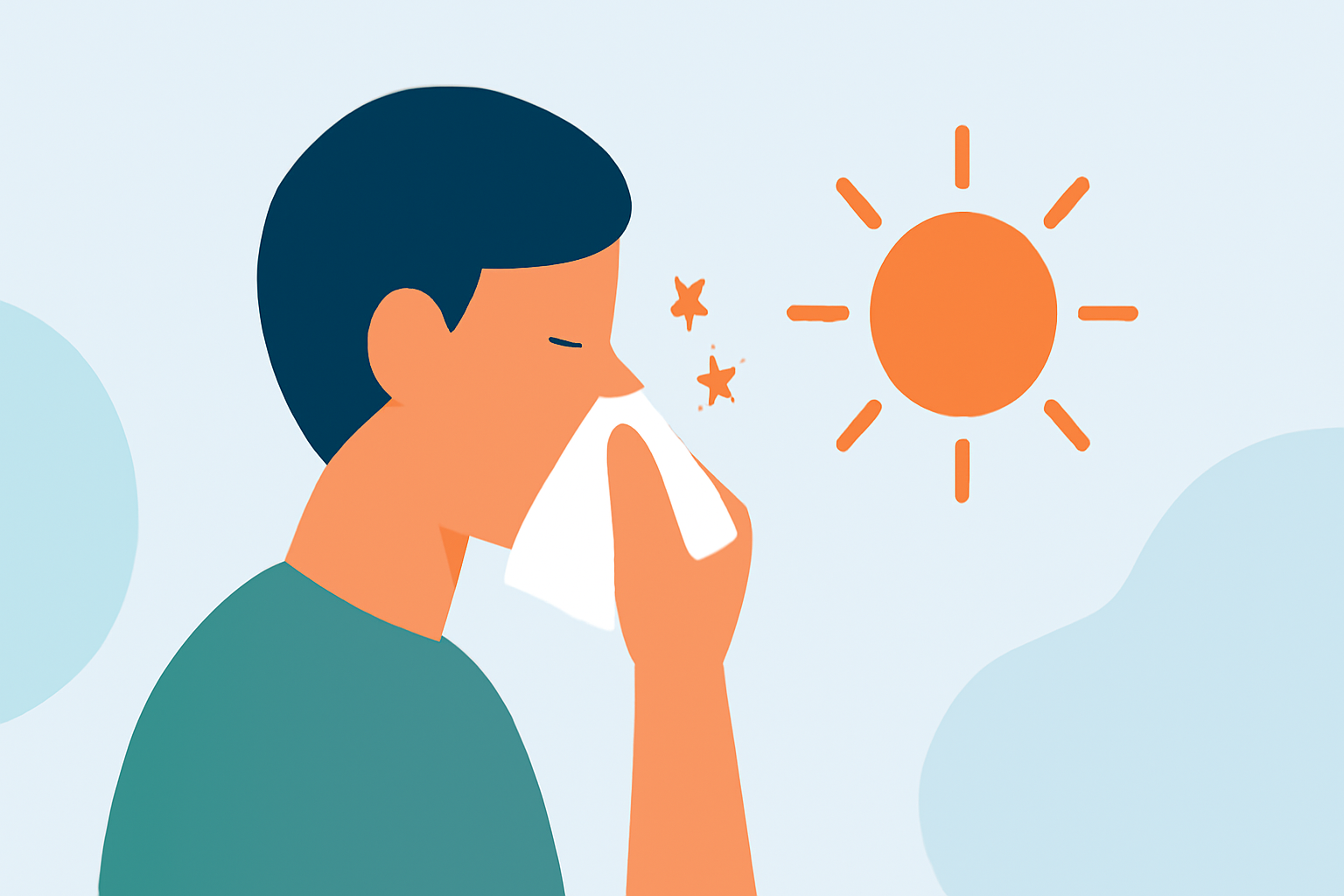
Heat waves, characterized by prolonged periods of excessively high temperatures, can have a profound effect on pollen levels, thereby intensifying allergy symptoms. Understanding this relationship is crucial for effective allergy management during extreme heat events.
How Do Heat Waves Affect Pollen Levels?
Extreme heat can influence pollen levels in several ways:
-
Extended Pollen Seasons: Warmer temperatures can lead to longer pollen seasons, as plants may begin releasing pollen earlier and continue later into the year. (cdc.gov)
-
Increased Pollen Production: Elevated temperatures and higher atmospheric carbon dioxide levels can stimulate plants to produce more pollen. (cdc.gov)
-
Enhanced Pollen Viability: Heat can affect the allergenic properties of pollen, potentially making it more potent and increasing the severity of allergic reactions. (cdc.gov)
Which Pollens Are Most Affected?
Different types of pollen respond uniquely to heat:
-
Tree Pollen: Typically released in early spring, tree pollen can be influenced by early warm spells, leading to earlier peaks in pollen levels. (health.clevelandclinic.org)
-
Grass Pollen: Grass pollen levels often rise during late spring and summer. Heat waves can prolong this period, increasing exposure. (health.clevelandclinic.org)
-
Weed Pollen: Weeds like ragweed release pollen in late summer and fall. Warmer temperatures can extend their pollen season, leading to prolonged allergy symptoms. (my.clevelandclinic.org)
How Does This Impact Allergy Sufferers?
The interplay between heat waves and pollen levels can lead to:
-
Prolonged Allergy Seasons: Longer periods of high pollen exposure can extend the duration of allergy symptoms. (cdc.gov)
-
Increased Symptom Severity: Higher pollen concentrations can intensify symptoms such as sneezing, nasal congestion, and itchy eyes. (cdc.gov)
-
Elevated Health Risks: For individuals with asthma or other respiratory conditions, increased pollen levels can trigger asthma attacks and other health complications. (cdc.gov)
What Can Be Done to Manage Allergies During Heat Waves?
Effective management strategies include:
-
Stay Informed: Monitor local pollen forecasts to anticipate high pollen days.
-
Limit Outdoor Activities: On days with high pollen counts, especially during peak pollen times (typically early morning), reduce outdoor exposure.
-
Create Allergen-Free Zones: Keep windows closed and use air conditioning to filter indoor air.
-
Use Air Purifiers: Employ HEPA filters to reduce indoor pollen levels.
-
Consult Healthcare Providers: Seek advice on appropriate medications or treatments to alleviate symptoms.
How Can Clime Assist in Allergy Management?
Clime offers real-time pollen forecasts, enabling users to plan outdoor activities and manage exposure effectively. By providing accurate and timely information, Clime empowers individuals to make informed decisions, reducing the impact of pollen on their health during heat waves.
Conclusion
Heat waves can significantly influence pollen levels, leading to extended and intensified allergy seasons. By understanding this relationship and implementing proactive management strategies, individuals can mitigate the adverse effects of pollen exposure during extreme heat events.
Highlights:
- How the heat wave in Arizona impacts allergies, Published on Friday, July 07
- Is Pollen Really Worse This Year? | Dartmouth Health, Published on Sunday, June 07