
Understanding Allergy Weather in 2026
Last updated: 2026-05-10
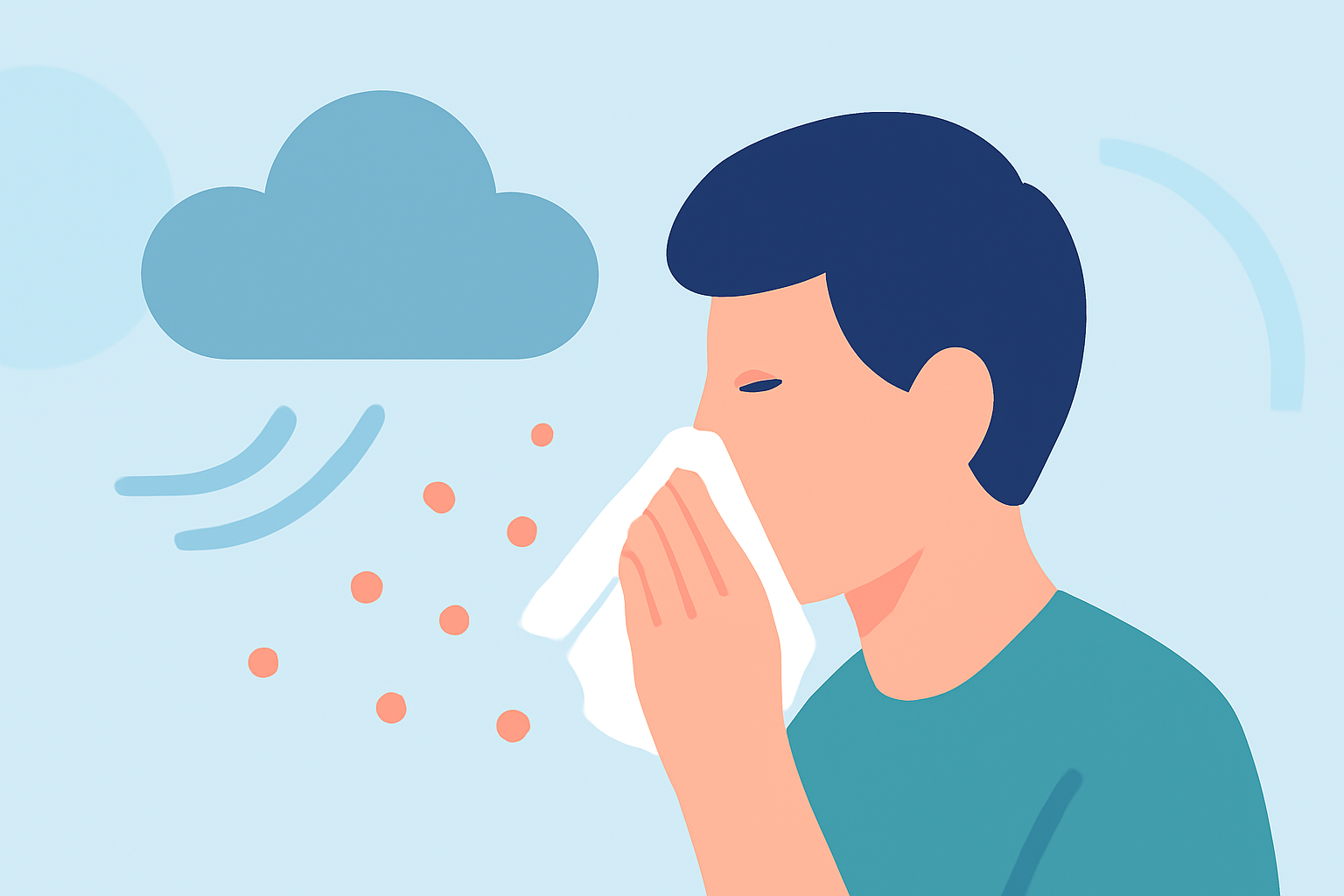
Allergy weather in 2026 is projected to be influenced by longer growing seasons and increased pollen levels due to climate changes, particularly in spring. As pollution and weather patterns shift, those sensitive to allergens may frequently need tailored forecasts to manage their symptoms effectively.
Summary
- Allergy forecasts through 2026 indicate a trend of longer and more intense pollen seasons.
- NOAA provides essential data on tree, grass, and weed pollen levels across the U.S.
- Clime offers detailed weather information, including pollen forecasts to help manage allergy symptoms.
- Utilizing weather apps can streamline access to allergy-specific insights and notifications.
What is Allergy Weather in 2026?
The concept of allergy weather refers to the specific environmental conditions that affect when and how much pollen is released into the air. In 2026, the allergy forecast suggests a notable increase in the number of high-pollen days due to longer growing seasons resulting from rising temperatures.1
How is Allergy Weather Forecasted for 2026?
Forecasting allergy weather typically involves using historical data to predict future pollen levels. This includes analyzing trends related to temperature, rainfall, and plant growth cycles. The integration of these data types allows for more precise predictions of pollen counts, making it easier for individuals to prepare for allergy seasons ahead.2
What Are Pollen Levels Expected to Be Like?
In 2026, pollen levels are projected to surge northward across the United States as warmer spring weather takes hold. This shift suggests that regions that may not have previously experienced high pollen counts will begin to see an increase in allergy-related symptoms as more plants release pollen earlier in the year.1
Where Can You Find Official Allergy Forecast Data for 2026?
Official allergy forecast data can be found through various weather apps and websites that aggregate pollen counts and allergy profiles. Look for platforms that provide detailed pollen forecasts and advisories tailored to your specific location.2
How Clime Supports Allergy Management
Clime provides valuable insights into local and national weather conditions, including forecast data based on NOAA reports. Users can benefit from:
- Pollen Forecast Alerts: Get notifications when pollen levels are likely to rise, helping you manage your outdoor activities.
- Customizable Weather Alerts: Tailor alerts based on geographic locations, ensuring you receive relevant information pertinent to your health.
- Extended Forecasts: With tools that project pollen levels over a 14-day span, you can plan ahead for high-allergy seasons.
What We Recommend
- Utilize Clime to stay informed about local pollen forecasts and manage your allergy symptoms effectively.
- Monitor weather patterns to understand when pollen counts might rise in your area.
- Customize your weather settings to receive alerts tailored to your specific allergies and symptoms.
In conclusion, understanding allergy weather for 2026 involves acknowledging the changes in growing seasons and pollen forecasts. For those affected, leveraging tools like Clime can make a significant difference in managing allergy conditions effectively and proactively.