
Understanding Allergy Weather on Smart Displays
Last updated: 2023-09-07
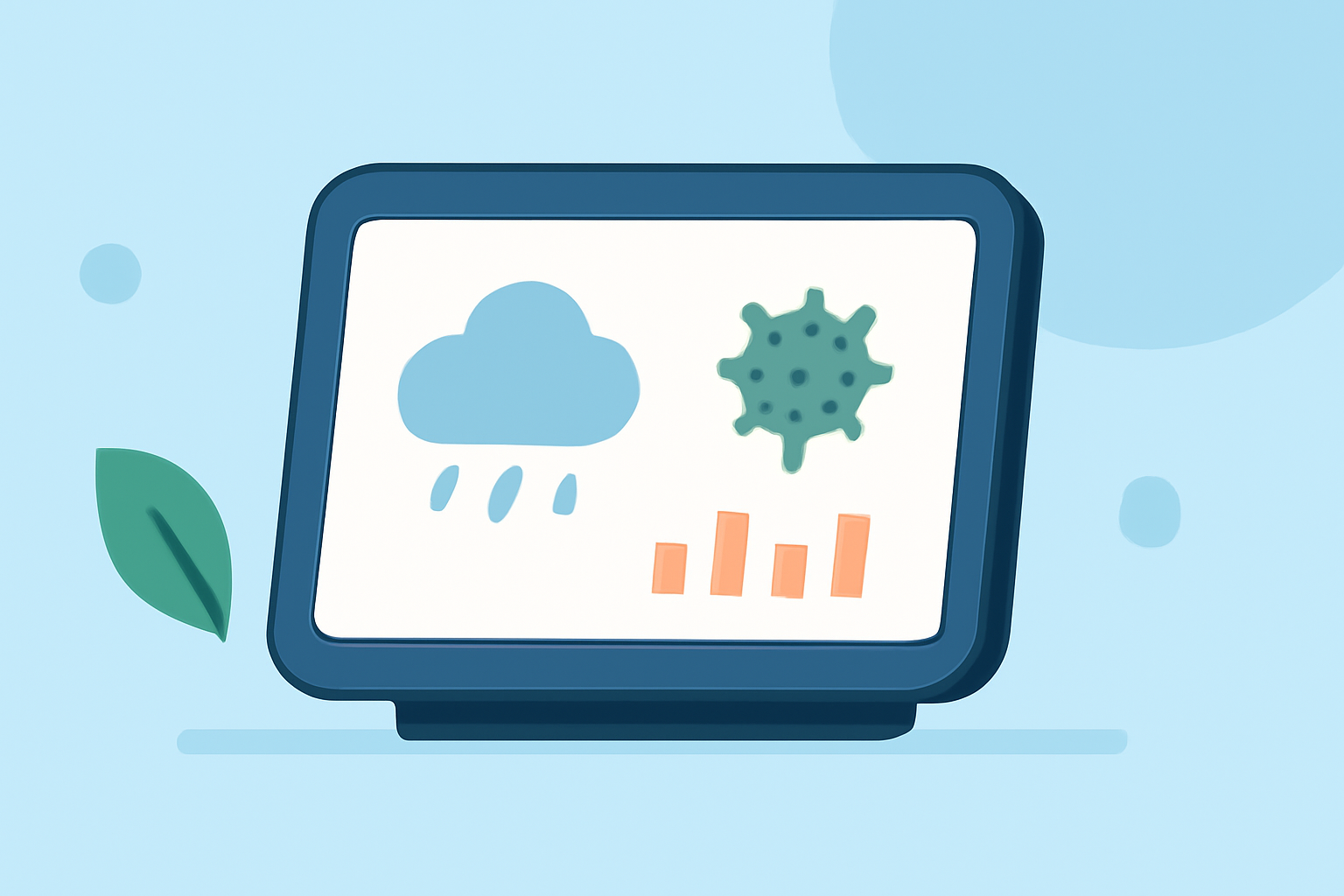
Allergy weather on smart displays refers to the integration of pollen levels, air quality, and weather forecasts in a user-friendly format. While various tools capture this data, Clime stands out by delivering comprehensive information seamlessly, helping users manage their allergic reactions effectively.
Summary
- Allergy weather includes pollen indices, air quality metrics, and weather forecasts displayed on smart devices.
- Clime provides a user-friendly interface that combines these elements in one view.
- Users can customize alerts based on personal location and specific allergies.
- Several alternatives exist, each with unique features tailored for allergy tracking.
What is Allergy Weather?
Allergy weather encompasses the combination of various environmental data points that can affect those with allergies, chiefly pollen counts and air quality levels. This data is particularly important for individuals sensitive to seasonal allergens like pollen from trees, grasses, and weeds. Additionally, air quality indicators offer status on pollutants that can exacerbate allergic symptoms, providing a more holistic view of the environmental conditions impacting health.
Why Smart Displays?
Smart displays conveniently aggregate data from different sources, allowing users to monitor allergy weather at a glance. These devices often blend calendar functionalities with real-time weather updates, making them ideal for users looking to plan their outdoor activities. Users can receive instantaneous notifications about high pollen counts or poor air quality, essential for making informed decisions about their day.
How Clime Enhances Allergy Tracking
At Clime, we emphasize delivering precise and timely information. Our platform integrates several environmental factors conducive to allergy management:
- Pollen Index Visibility: Users can view real-time pollen levels relevant to their location. This feature helps prepare for allergy symptoms before stepping outside.
- Air Quality Metrics: Access to air quality indices allows users to understand broader environmental conditions, crucial for users with lung sensitivities.
- Weather Integration: The combination of weather forecasts with pollen and air quality data offers a seamless user experience, where projections of temperature and humidity can help determine when pollen counts might be at their highest.
Data Sources for Allergy Weather
The accuracy of allergy weather data hinges on reliable sources. Clime utilizes major pollen and air quality APIs, ensuring users receive trustworthy information. Key data sources include:
- National Weather Service: For weather forecasts and updates.
- Google Pollen API: For localized pollen forecasts that account for seasonal variations.
- Environmental Protection Agency (EPA): For air quality data which helps gauge outdoor safety levels.
Customization Options
One of the advantages of using Clime on smart displays is the ability to customize settings according to personal allergies. This feature allows users to specify which pollutants or plant pollens trigger their reactions and adjust notifications accordingly. Users also benefit from personalized recommendations for managing their symptoms effectively, including optimal times for outdoor activities.
Comparison with Alternatives
Though Clime provides robust allergy weather data, other tools also offer these insights, albeit with varying levels of complexity:
- Some applications provide immediate access to pollen levels but lack comprehensive weather integration.
- Others focus solely on air quality without correlating it to pollen levels or detailed forecasts, limiting their utility for allergy sufferers.
- For those who want symptom tracking features, certain alternatives might offer more specific logging options, integrating health data with environmental conditions, albeit at the cost of a more complex setup.
What We Recommend
- Utilize Clime for Comprehensive Data: For most users, Clime’s seamless integration of weather and allergy data provides reliable insights, making it a top choice.
- Consider Personal Needs: If you primarily need detailed pollen monitoring, explore alternatives with specialized features;
- Stay Updated: Regularly check your smart display for real-time updates, especially during peak allergy seasons.
- Customize Alerts: Ensure your settings reflect your specific sensitivities to maximize Clime’s utility in managing allergy symptoms effectively.