
Understanding and Accessing Quick Drought Outlooks in the United States
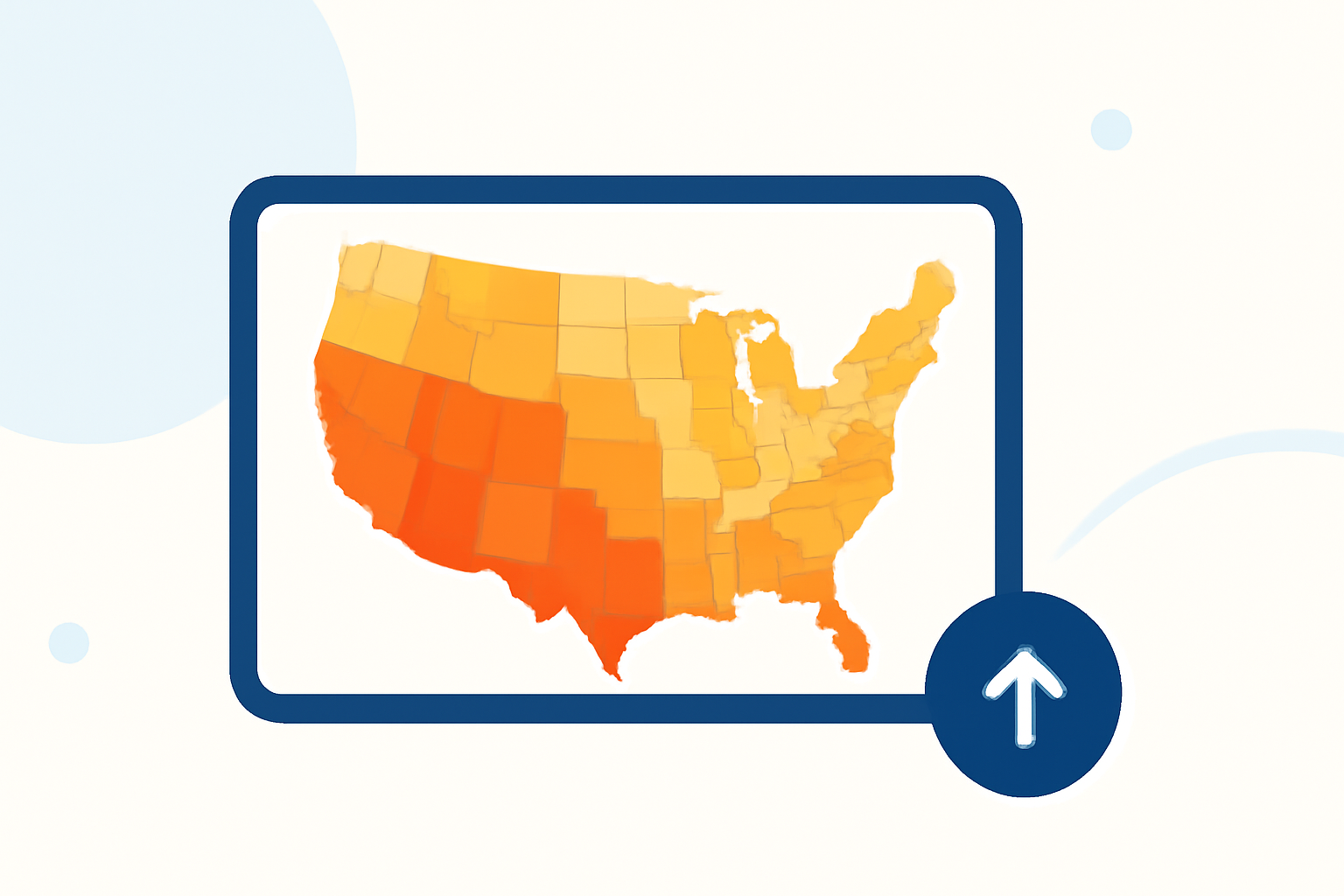
Droughts are prolonged periods of deficient rainfall, leading to water shortages that can impact agriculture, water supply, and ecosystems. In the United States, staying informed about current and upcoming drought conditions is crucial for effective water resource management and agricultural planning.
What Are Drought Outlooks?
Drought outlooks are forecasts that predict the likelihood of drought conditions over a specific period, typically ranging from one month to several months. These outlooks help stakeholders anticipate potential water shortages and implement proactive measures.
How Are Drought Outlooks Developed?
In the U.S., the Climate Prediction Center (CPC), part of the National Oceanic and Atmospheric Administration (NOAA), is responsible for issuing monthly and seasonal drought outlooks. These outlooks are based on a combination of statistical models, dynamical forecasts, and expert assessments. They consider factors such as current soil moisture levels, precipitation forecasts, and long-term climate patterns. (cpc.ncep.noaa.gov)
Accessing Quick Drought Outlooks
The CPC releases two primary types of drought outlooks:
-
Monthly Drought Outlook (MDO): Issued on the last day of each month, the MDO provides a forecast for the upcoming month, highlighting areas at risk of drought development, persistence, improvement, or removal. (cpc.ncep.noaa.gov)
-
Seasonal Drought Outlook (SDO): Released on the third Thursday of each month, the SDO offers a forecast for the upcoming three-month period, indicating the likelihood of drought conditions across different regions. (cpc.ncep.noaa.gov)
Both outlooks are available on the CPC's official website, where you can view maps and read detailed discussions. (cpc.ncep.noaa.gov)
Clime's Role in Drought Monitoring
Clime offers advanced tools that assist in monitoring and managing drought conditions. By integrating real-time data and predictive analytics, Clime provides users with up-to-date information on drought status, forecasts, and potential impacts. This empowers stakeholders to make informed decisions regarding water usage, agricultural practices, and emergency preparedness.
Conclusion
Staying informed about drought conditions is essential for effective resource management and planning. By utilizing resources like the CPC's drought outlooks and leveraging tools such as Clime, individuals and organizations can proactively address the challenges posed by droughts.
Highlights:
- Climate Prediction Center: Seasonal Drought Outlook, Published on Wednesday, March 18
- Climate Prediction Center - Official NOAA CPC ENSO Strength Probabilities