
Understanding and Accessing UV Index Forecasts: A Comprehensive Guide
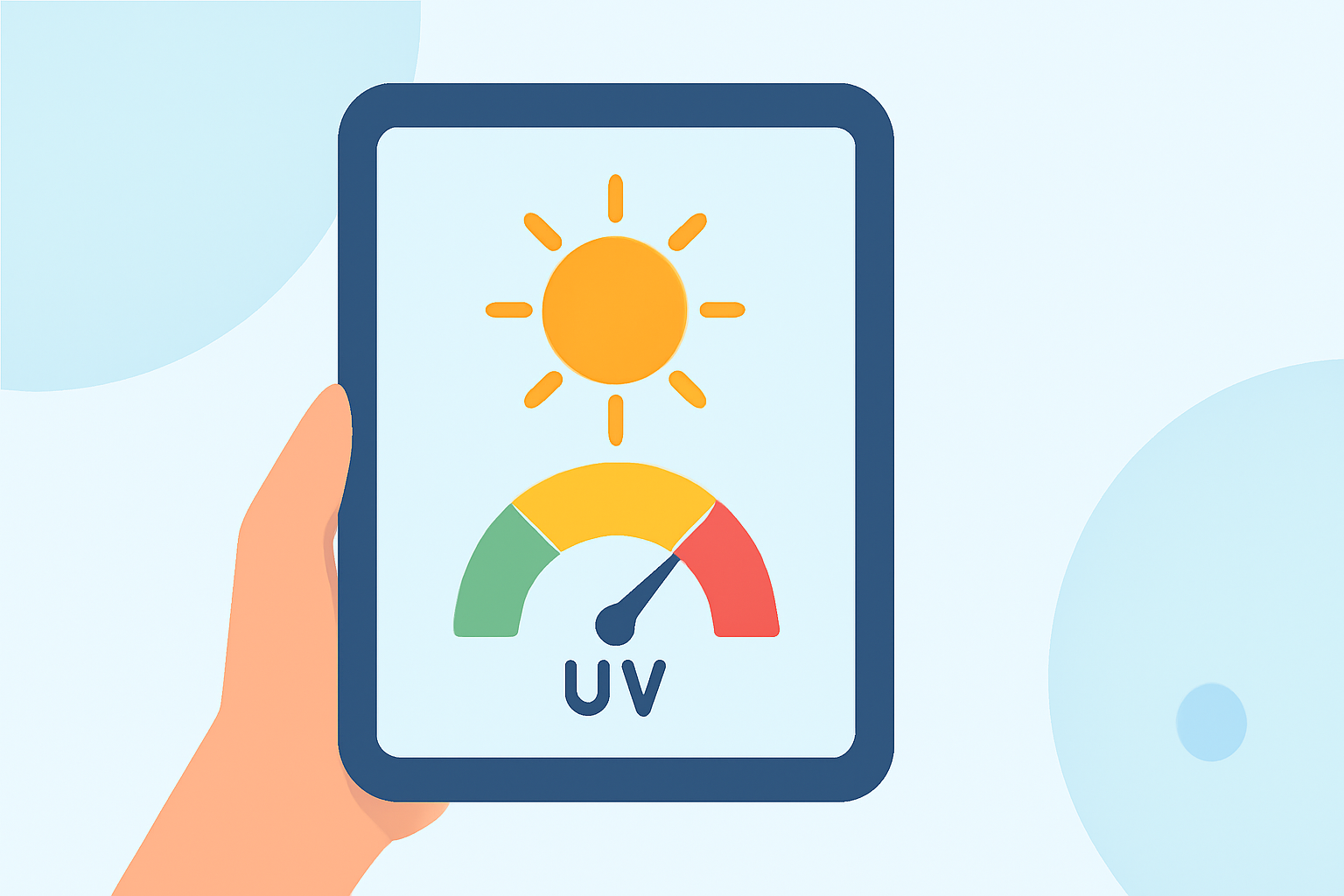
The Ultraviolet (UV) Index is a vital tool for assessing the risk of overexposure to UV radiation from the sun. Understanding how to access and interpret UV Index forecasts can help you make informed decisions about sun safety.
What Is the UV Index?
The UV Index is a numerical scale ranging from 0 to 11+, indicating the strength of UV radiation at a specific location and time. A higher number signifies a greater potential for skin damage. For instance, a UV Index of 3–5 suggests moderate risk, while 11+ indicates extreme risk. (epa.gov)
How Is the UV Index Calculated?
The UV Index is determined by considering several factors:
-
Ozone Levels: Ozone in the atmosphere absorbs UV radiation, reducing its intensity.
-
Cloud Cover: Clouds can either block or scatter UV rays, affecting their strength.
-
Elevation: Higher altitudes receive more UV radiation due to thinner atmosphere layers.
These elements are combined to estimate the UV Index for a given location and time. (epa.gov)
Accessing UV Index Forecasts
To obtain accurate UV Index forecasts:
-
Visit the EPA's UV Index Page: The Environmental Protection Agency (EPA) provides daily UV Index forecasts for various U.S. cities. You can access these forecasts by entering your ZIP code or city and state on their website. (epa.gov)
-
Use Mobile Applications: Several mobile apps offer real-time UV Index information. For example, the EPA's UV Index app provides daily forecasts and sun safety tips. It's available for iPhone users, with an Android version expected soon. (epa.gov)
-
Check Local Weather Services: Many local weather services and news outlets include UV Index information in their daily forecasts. This can be a convenient way to stay informed about UV levels in your area.
Understanding UV Index Levels
Interpreting the UV Index is straightforward:
-
0–2 (Low): Minimal risk.
-
3–5 (Moderate): Moderate risk.
-
6–7 (High): High risk.
-
8–10 (Very High): Very high risk.
-
11+ (Extreme): Extreme risk.
These categories help you determine the necessary precautions to take based on the expected UV exposure. (webmd.com)
Sun Safety Tips Based on UV Index Levels
Depending on the UV Index, consider the following precautions:
-
Low (0–2): No protection needed for most skin types.
-
Moderate (3–5): Wear SPF 30+ sunscreen.
-
High (6–7): Wear SPF 30–50 sunscreen, protective clothing, and seek shade during midday hours.
-
Very High (8–10): Wear SPF 50+ sunscreen, protective clothing, and limit outdoor activities during peak sun hours.
-
Extreme (11+): Avoid sun exposure as much as possible.
These guidelines help minimize the risk of skin damage and other health issues associated with UV radiation. (webmd.com)
Conclusion
Regularly checking the UV Index and understanding its implications are essential steps in protecting your skin from harmful UV radiation. By utilizing available resources and adhering to recommended sun safety practices, you can enjoy outdoor activities while minimizing health risks.
Highlights:
- Learn About the UV Index | US EPA, Published on Monday, January 26
- The UV Index | US EPA, Published on Wednesday, January 28
- UV Index Guide: Scale, Sun Protection, and Risks, Published on Friday, March 13