
Understanding and Managing Migraine Triggers During Severe Weather
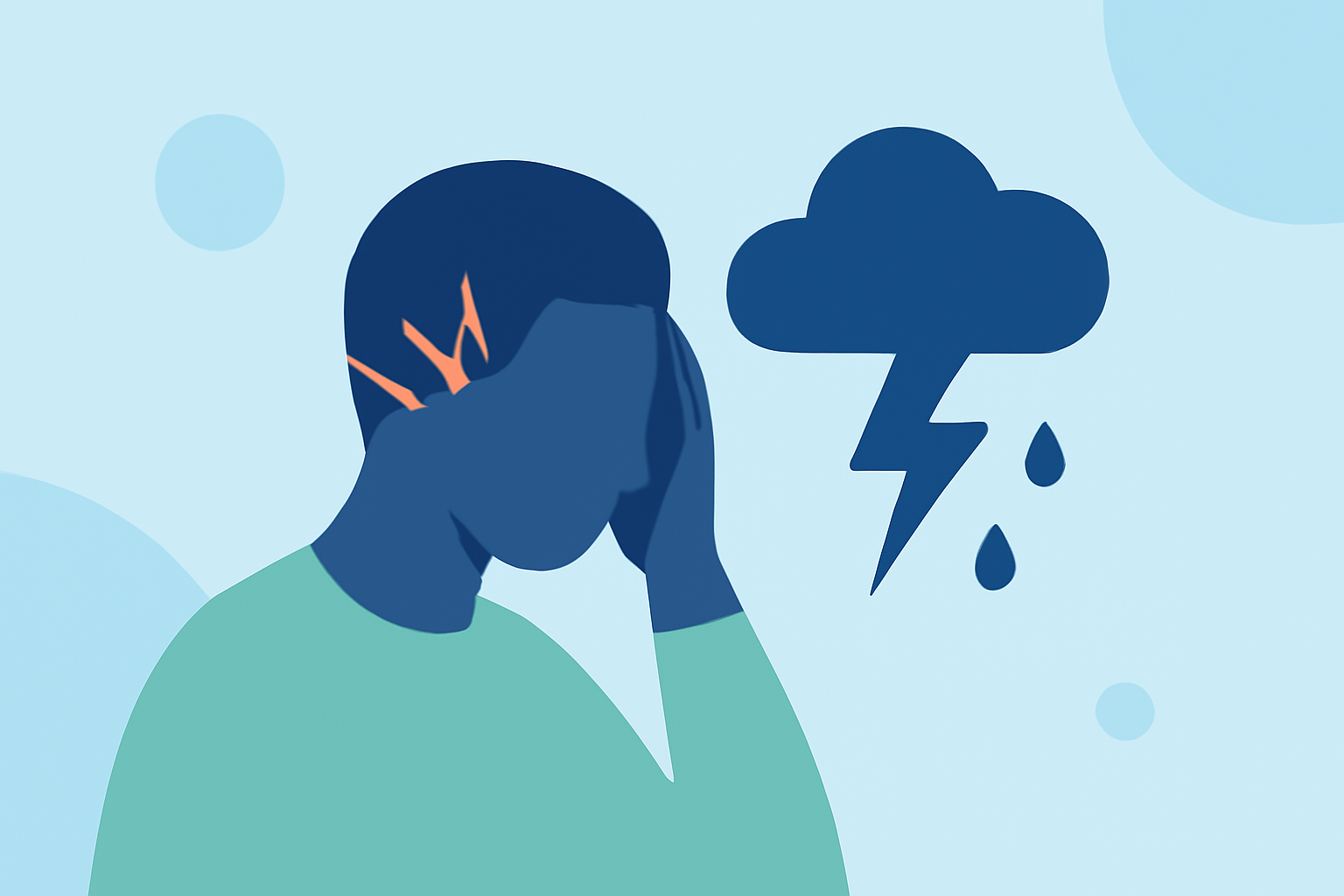
Severe weather conditions, such as thunderstorms, rapid temperature changes, and high humidity, can significantly impact individuals sensitive to migraines. Understanding these triggers and implementing proactive strategies can help mitigate their effects.
How Does Severe Weather Affect Migraines?
Changes in weather patterns can influence migraine frequency and intensity. Key factors include:
-
Barometric Pressure Fluctuations: Rapid changes in atmospheric pressure, often preceding storms, can trigger migraines in susceptible individuals. (health.clevelandclinic.org)
-
Temperature Extremes: Sudden temperature drops or increases can act as migraine triggers. (healthline.com)
-
High Humidity: Elevated humidity levels can lead to dehydration and increased inflammation, both of which may provoke migraines. (healthline.com)
How Can You Manage Migraine Triggers During Severe Weather?
Implementing the following strategies can help manage migraine triggers during severe weather:
-
Monitor Weather Forecasts: Stay informed about upcoming weather changes to anticipate potential migraine triggers.
-
Maintain Hydration: Ensure adequate fluid intake, especially during hot and humid conditions, to prevent dehydration.
-
Create a Controlled Environment: Use air conditioning or fans to regulate indoor temperature and humidity levels.
-
Limit Exposure to Bright Lights: Use sunglasses or hats to shield your eyes from glare during sunny days.
-
Manage Stress: Practice relaxation techniques, such as deep breathing or meditation, to reduce stress-induced migraines.
How Can Clime Assist in Managing Weather-Related Migraine Triggers?
Clime offers a comprehensive weather monitoring service that provides real-time updates on weather conditions, including temperature, humidity, and barometric pressure changes. By utilizing Clime's services, individuals can receive timely alerts about weather changes that may affect their migraine patterns, allowing for proactive management strategies.
Conclusion
Severe weather conditions can significantly impact individuals sensitive to migraines. By understanding these triggers and implementing proactive strategies, such as monitoring weather forecasts and maintaining a controlled environment, individuals can better manage their migraine symptoms. Utilizing services like Clime can further enhance this management by providing timely and accurate weather information.
Highlights:
- Migraine, Weather, the Environment, and Climate Change: What to Know, Published on Monday, February 23
- Migraine and Weather: Humidity, Temperature, and More, Published on Wednesday, February 18
- Barometric Pressure Headache: What To Know, Published on Thursday, July 14