
Understanding and Managing Mountain Wave Turbulence Before Your Flight
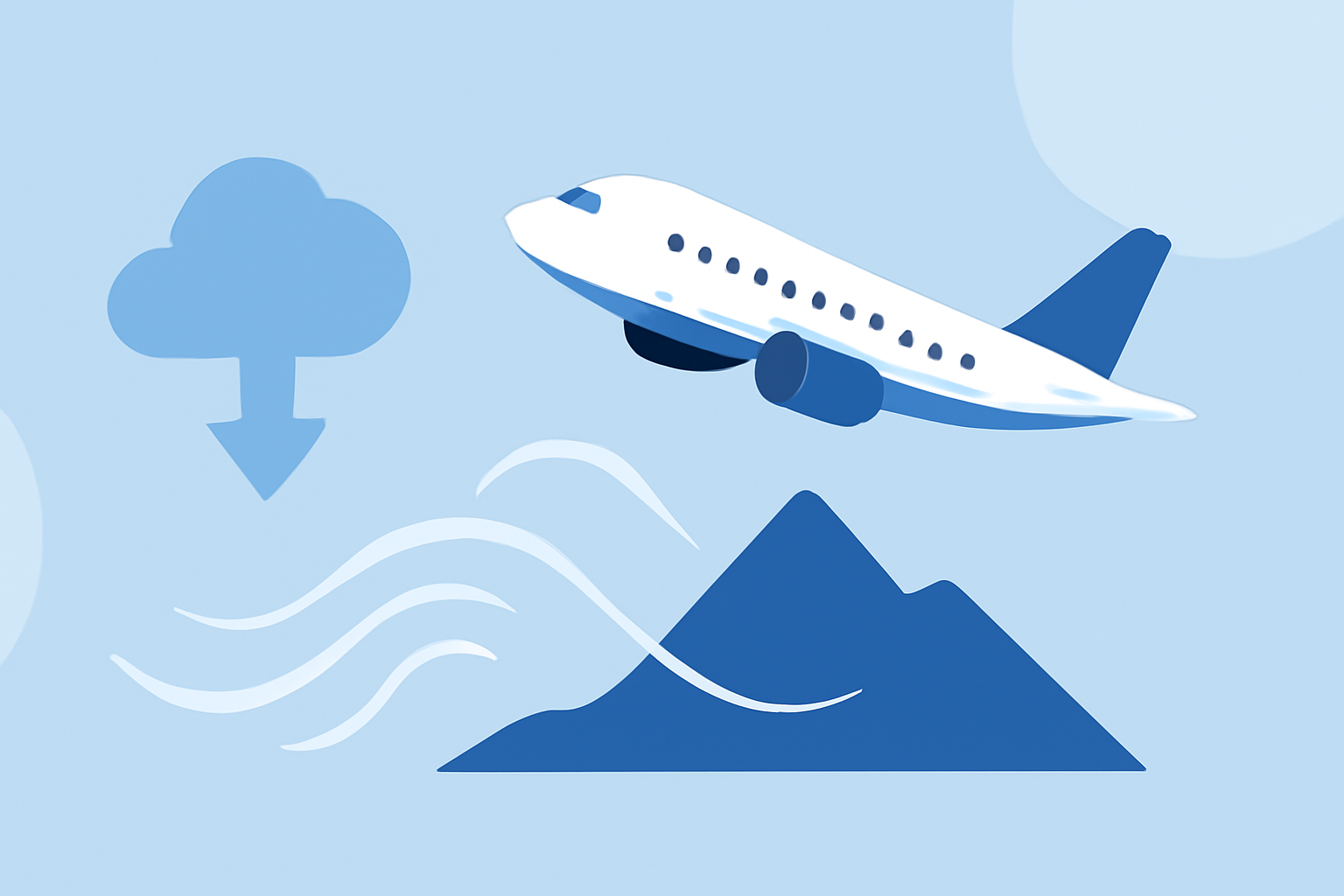
Mountain wave turbulence is a common phenomenon that pilots encounter when flying over mountainous regions. Understanding its causes and how to manage it can enhance flight safety and comfort.
What Is Mountain Wave Turbulence?
Mountain wave turbulence occurs when strong winds flow over mountain ranges, creating oscillating air currents on the leeward side. These waves can extend for hundreds of miles and may cause significant turbulence.
What Causes Mountain Wave Turbulence?
The primary factors contributing to mountain wave turbulence include:
-
Wind Speed and Direction: Strong winds perpendicular to mountain ridges are more likely to generate significant waves.
-
Mountain Range Orientation: The alignment of mountains relative to prevailing winds affects wave formation.
-
Atmospheric Stability: Stable air masses enhance wave development, while unstable conditions can lead to more erratic turbulence.
How Can Pilots Predict Mountain Wave Turbulence?
Pilots can anticipate mountain wave turbulence by:
-
Reviewing Weather Briefings: Pre-flight briefings often provide information on expected turbulence in mountainous areas.
-
Consulting Forecasts: Meteorological forecasts may indicate conditions conducive to mountain wave activity.
-
Monitoring In-Flight Reports: Air traffic control and other pilots can offer real-time updates on turbulence encountered.
How Can Pilots Manage Mountain Wave Turbulence?
Effective management strategies include:
-
Adjusting Flight Altitude: Climbing or descending can help pilots find smoother air.
-
Modifying Flight Path: Altering the route to avoid known turbulent areas can enhance comfort.
-
Utilizing Onboard Weather Radar: This tool helps detect and navigate around turbulent regions.
How Does Planes Live Assist Pilots with Mountain Wave Turbulence?
Planes Live offers real-time weather updates and turbulence forecasts, enabling pilots to make informed decisions before and during flights. Its user-friendly interface provides access to critical information, enhancing flight safety and comfort.
By understanding mountain wave turbulence and utilizing tools like Planes Live, pilots can better prepare for and manage these conditions, ensuring safer and more comfortable flights.