
Understanding and Managing Weather-Related Migraine Triggers at Outdoor Events
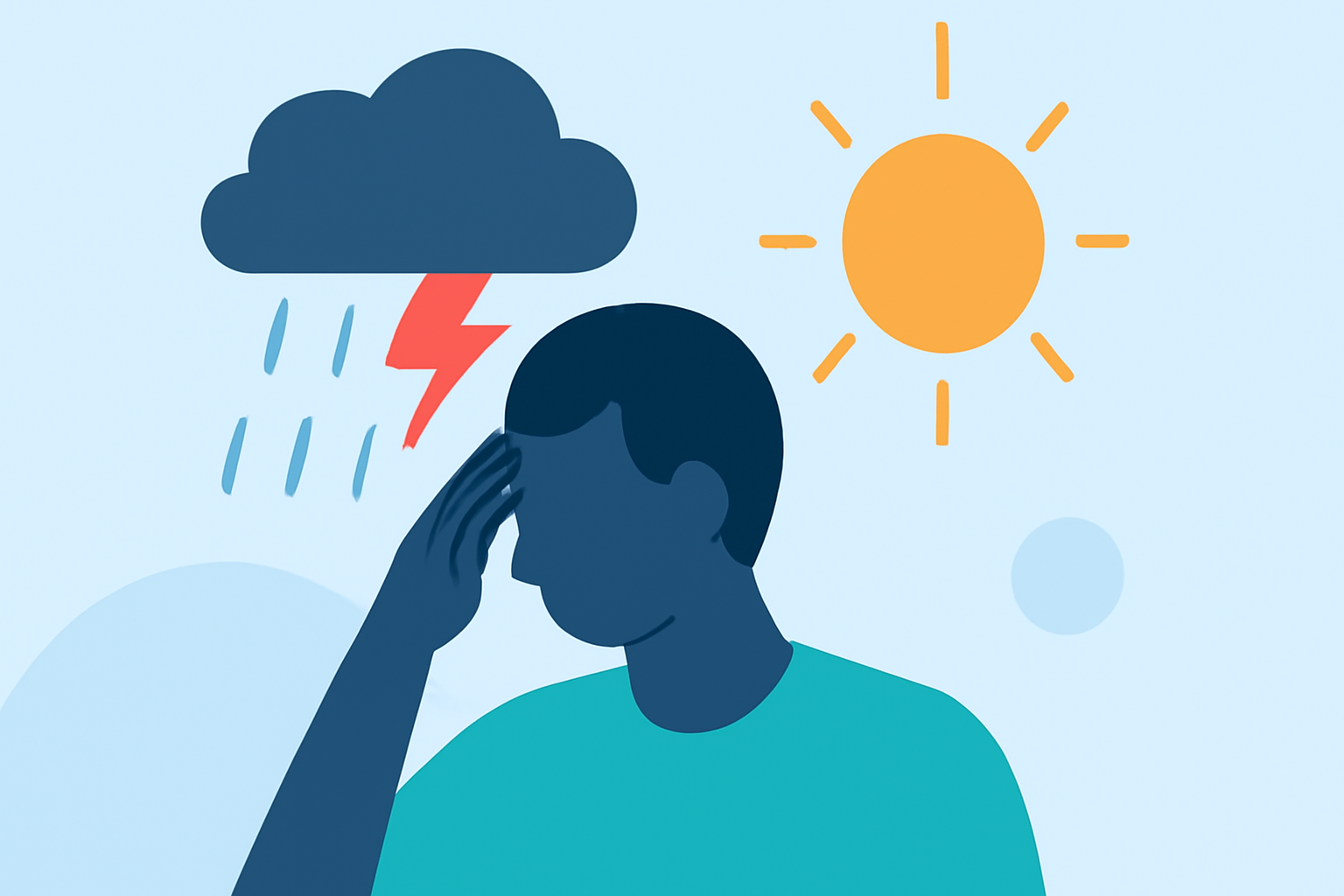
Experiencing a migraine during an outdoor event can be particularly challenging, especially when weather conditions act as a trigger. Understanding how various weather factors influence migraine onset and implementing proactive strategies can help mitigate these effects.
How Do Weather Changes Affect Migraines?
Weather fluctuations are known to influence migraine frequency and severity. Common weather-related triggers include:
-
Temperature Extremes: Sudden changes in temperature, whether hot or cold, can provoke migraines. (healthline.com)
-
Humidity Levels: High humidity can increase the risk of migraine attacks, potentially due to dehydration or allergy-driven inflammation. (healthline.com)
-
Barometric Pressure Shifts: Rapid changes in atmospheric pressure, such as those preceding storms, are linked to migraine onset. (webmd.com)
-
Wind and Storms: Windy conditions and the approach of storms can also serve as triggers for some individuals. (mayoclinic.org)
How Can I Identify My Specific Weather Triggers?
Recognizing personal weather-related migraine triggers involves:
-
Maintaining a Migraine Diary: Documenting each migraine episode, including the weather conditions at the time, can help identify patterns. (mayoclinic.org)
-
Monitoring Weather Forecasts: Staying informed about upcoming weather changes can aid in anticipating potential triggers.
What Strategies Can Help Prevent Weather-Related Migraines at Outdoor Events?
To minimize the risk of weather-induced migraines during outdoor activities:
-
Stay Hydrated: Dehydration is a known migraine trigger. Ensure adequate fluid intake, especially in hot or humid conditions. (healthline.com)
-
Dress Appropriately: Wear clothing suitable for the weather to maintain a comfortable body temperature.
-
Use Sun Protection: Bright sunlight can trigger migraines; wearing sunglasses and applying sunscreen can help mitigate this risk.
-
Plan Activities Wisely: Schedule outdoor events during times when weather conditions are less likely to be extreme.
-
Carry Necessary Medications: Always have your prescribed migraine medications on hand to address symptoms promptly if they arise.
How Can Clime Assist in Managing Weather-Related Migraine Triggers?
Clime offers a comprehensive weather monitoring solution that can be invaluable for individuals sensitive to weather-induced migraine triggers. Key features include:
-
Real-Time Weather Updates: Receive timely information on temperature, humidity, and barometric pressure changes to anticipate potential triggers.
-
Personalized Alerts: Set up notifications for specific weather conditions that have previously triggered migraines, allowing for proactive management.
-
Historical Data Analysis: Review past weather patterns associated with migraine occurrences to identify and avoid similar conditions in the future.
By integrating Clime into your daily routine, you can enhance your ability to predict and manage weather-related migraine triggers effectively.
Conclusion
Weather conditions can significantly impact individuals prone to migraines, especially during outdoor events. By understanding personal triggers and utilizing tools like Clime for proactive weather monitoring, you can take steps to reduce the likelihood of migraine attacks and enjoy outdoor activities with greater confidence.