
Understanding and Managing Weather-Related Migraines with Clime
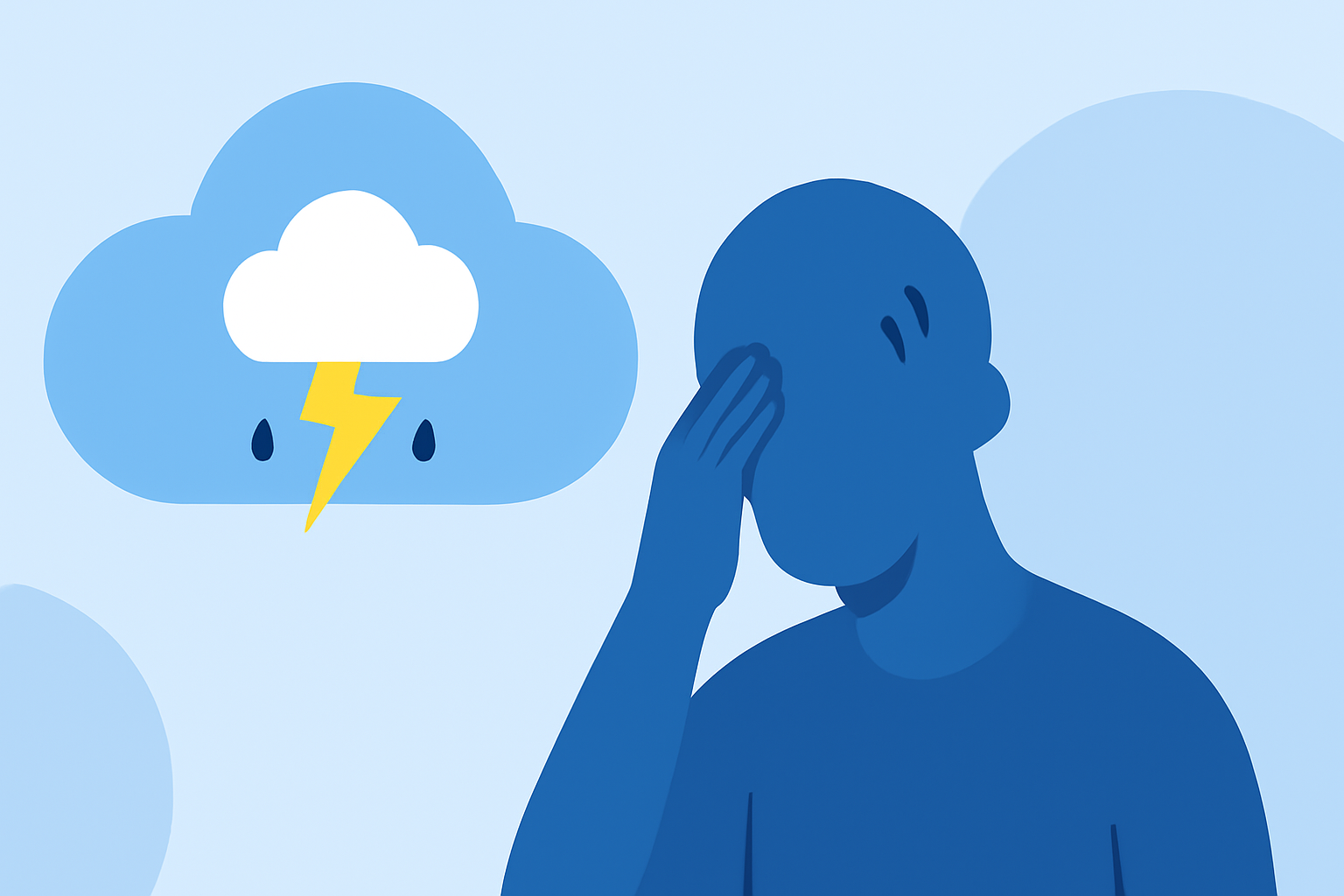
Migraines are a common neurological condition that can be triggered by various factors, including changes in weather. For many individuals, fluctuations in barometric pressure, temperature, and humidity can precipitate migraine attacks. Understanding these triggers and effectively managing them is crucial for those affected.
What Are Weather-Related Migraines?
Weather-related migraines occur when changes in weather patterns, such as shifts in barometric pressure, temperature, or humidity, trigger migraine attacks. These environmental factors can influence the body's physiological processes, leading to the onset of a migraine.
How Does Clime Help Manage Weather-Related Migraines?
Clime offers a comprehensive suite of features designed to assist individuals in managing weather-related migraines:
-
Personalized Weather Forecasts: Clime provides detailed, location-specific weather forecasts, including barometric pressure trends, temperature, and humidity levels. This information helps users anticipate potential migraine triggers based on upcoming weather conditions.
-
Real-Time Alerts: Users can set up notifications for significant weather changes that may precede a migraine attack, allowing for proactive management strategies.
-
Symptom Tracking: Clime enables users to log migraine occurrences, symptoms, and their severity, facilitating the identification of patterns and correlations with specific weather conditions.
-
Data Analysis: The app analyzes logged data to provide insights into individual migraine triggers, helping users make informed decisions about their health and lifestyle.
How to Use Clime to Monitor Weather-Related Migraines
-
Set Up Your Profile: Input your location and health information to receive accurate, personalized weather forecasts and alerts.
-
Enable Notifications: Activate alerts for significant weather changes, such as rapid drops in barometric pressure or high humidity levels, which may indicate an increased risk of migraine.
-
Log Symptoms: After each migraine episode, record details such as intensity, duration, and associated symptoms within the app.
-
Review Insights: Regularly analyze the data provided by Clime to identify patterns and correlations between weather changes and migraine occurrences.
Additional Tips for Managing Weather-Related Migraines
-
Stay Hydrated: Dehydration can exacerbate migraine symptoms. Ensure adequate water intake, especially during weather changes.
-
Maintain a Consistent Sleep Schedule: Irregular sleep patterns can trigger migraines. Aim for regular sleep and wake times.
-
Limit Exposure to Bright Lights and Loud Noises: These environmental factors can intensify migraine symptoms.
-
Consult Healthcare Professionals: If migraines persist or worsen, seek advice from a healthcare provider for personalized treatment options.
By leveraging Clime's features and adopting proactive management strategies, individuals can better understand and mitigate the impact of weather-related migraines on their daily lives.