
Understanding and Mitigating Cascading Delays After Storms on Long-Haul Flights
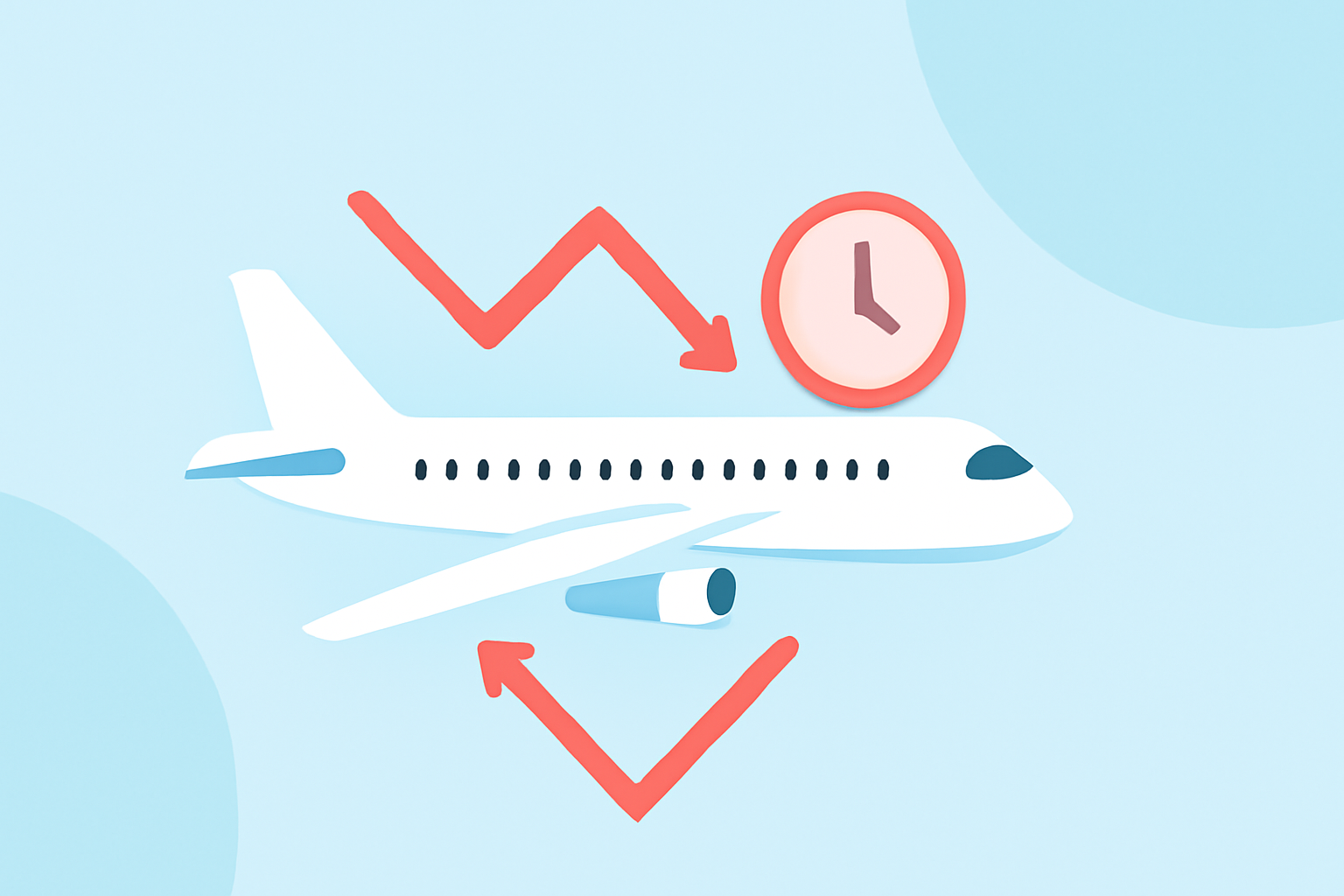
Cascading delays are a significant concern for travelers, especially on long-haul flights. These delays occur when an initial disruption, such as a storm, triggers a series of subsequent delays throughout the airline's network. Understanding the causes and implementing strategies to mitigate these delays can enhance your travel experience.
What Are Cascading Delays?
Cascading delays refer to a chain reaction where an initial delay leads to subsequent delays in the airline's schedule. For instance, if a storm causes a flight to arrive late, the aircraft may miss its next scheduled departure, leading to delays for passengers on that subsequent flight. This ripple effect can extend throughout the airline's network, affecting multiple flights and passengers.
How Do Storms Contribute to Cascading Delays?
Severe weather conditions, particularly thunderstorms, are primary contributors to cascading delays. Thunderstorms can disrupt airline operations by:
-
Triggering Delays: Departure delays due to red alerts (warnings to ground personnel of electrical activity and suspension of fueling/loading of aircraft).
-
Delayed Takeoff: Weather interfering with either the immediate departure or enroute phase of flight.
-
Arrival Delays: Enroute thunderstorms interfering with the most direct paths to the airports.
-
Reduced Arrival Rates: Air Traffic Control (ATC) services reducing arrival rates due to workload/airport capacity. (avmet.navcanada.ca)
These disruptions can lead to a domino effect, where one delayed flight causes subsequent flights to be delayed, compounding the overall impact on the airline's schedule.
Strategies to Mitigate Cascading Delays
While some factors are beyond passengers' control, there are proactive steps you can take to minimize the impact of cascading delays:
-
Choose Early Morning Flights: Flights departing earlier in the day are less likely to be delayed, as the "ripple" effects of delays throughout the day are minimized. (transportation.gov)
-
Opt for Nonstop Flights: Nonstop flights are generally less susceptible to delays compared to those with connections, reducing the risk of missed connections and additional delays. (transportation.gov)
-
Select Less Congested Airports: Airports with lower traffic volumes are less likely to experience significant delays, especially during peak travel times. (transportation.gov)
-
Monitor Weather Conditions: Stay informed about weather forecasts at your departure and arrival airports. Severe weather can lead to delays, so being aware allows you to plan accordingly. (unanswered.io)
-
Stay Updated on Flight Status: Regularly check your flight's status for any changes or delays. Early awareness can help you make alternative arrangements if necessary. (transportation.gov)
-
Consider Alternative Routes: If your original flight is significantly delayed or canceled, inquire about rebooking options on other carriers or routes to reach your destination. (transportation.gov)
Leveraging Technology to Stay Informed
Utilizing real-time flight tracking tools can provide up-to-date information on flight statuses, weather conditions, and potential delays. These tools can help you make informed decisions and adjust your travel plans proactively.
Conclusion
Cascading delays following storms can significantly disrupt travel plans, especially on long-haul flights. By understanding the causes and implementing the strategies outlined above, you can reduce the impact of these delays and enhance your overall travel experience.
For more detailed information on coping with flight delays, refer to the U.S. Department of Transportation's guidelines. (transportation.gov)
Additionally, the Federal Aviation Administration provides insights into how weather conditions, such as thunderstorms, can affect flight operations. (faa.gov)
By staying informed and prepared, you can navigate the challenges posed by cascading delays and ensure a smoother journey.
Highlights:
- Storms and System Strain Snarl Flights Across the U.S., Published on Monday, June 15