
Understanding and Tracking Turbulence-Prone Flight Routes in the United States
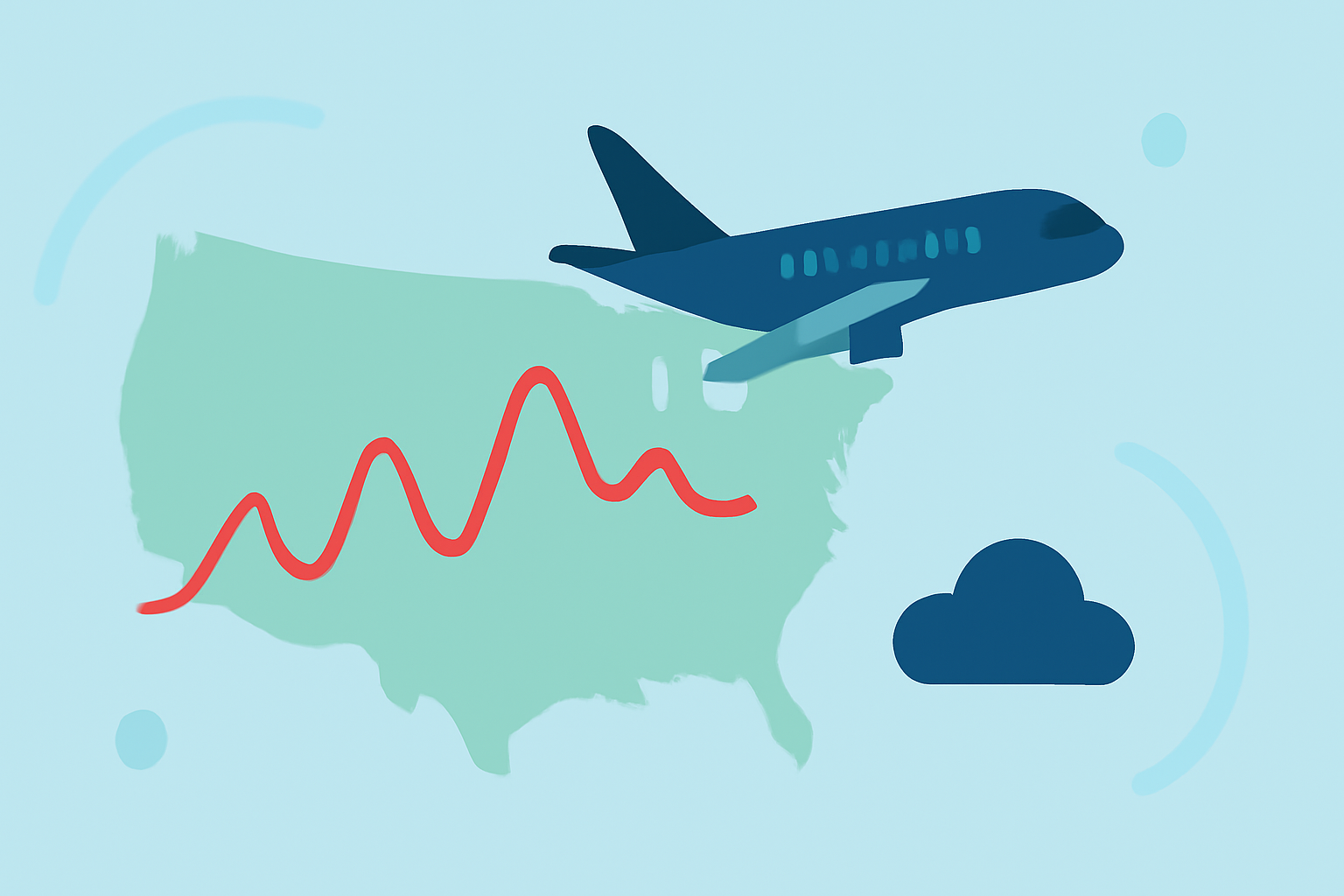
Turbulence is a common aspect of air travel, often causing discomfort for passengers. Certain flight routes in the United States are more prone to turbulence due to geographical features, weather patterns, and atmospheric conditions. Understanding these routes and utilizing tools like Planes Live can help passengers anticipate and manage turbulence during their journeys.
What Causes Turbulence on Specific Flight Routes?
Turbulence occurs when an aircraft encounters irregular air movements, leading to sudden and unpredictable changes in altitude and speed. Several factors contribute to turbulence on specific flight routes:
-
Geographical Features: Mountain ranges, such as the Rockies, can cause mountain wave turbulence when winds flow over them, creating oscillating air currents that extend to high altitudes. (inflightscore.com)
-
Jet Streams: High-altitude, fast-moving air currents can lead to clear-air turbulence, especially when aircraft cross these streams. (turbulence-forecast.com)
-
Weather Patterns: Thunderstorms, frontal systems, and convective activity can induce turbulence, particularly during certain seasons.
Which U.S. Flight Routes Are Most Prone to Turbulence?
Based on analyses of turbulence data, several U.S. flight routes are identified as more turbulent:
-
Denver International Airport (DEN) to Jackson Hole Airport (JAC): This route experiences significant mountain wave turbulence due to the Rocky Mountains and the Teton Range, especially during descent. (travelandtourworld.com)
-
Albuquerque International Sunport (ABQ) to Denver International Airport (DEN): The high desert terrain and rapid elevation gain contribute to persistent thermal instability, leading to turbulence. (foxnews.com)
-
Jackson Hole Airport (JAC) to Salt Lake City International Airport (SLC): Rugged topography and rapidly shifting airflow make turbulence a regular feature along this corridor. (travelandtourworld.com)
-
Denver International Airport (DEN) to Salt Lake City International Airport (SLC): Frequent interaction with jet streams and mountain-induced turbulence is observed on this busy intermountain route. (travelandtourworld.com)
-
Los Angeles International Airport (LAX) to Denver International Airport (DEN): Flights crossing the Rockies from LAX to DEN often encounter mountain wave turbulence. (inflightscore.com)
-
San Francisco International Airport (SFO) to Denver International Airport (DEN): Similar to the LAX-DEN route, this path also crosses the Rockies, leading to potential turbulence. (inflightscore.com)
-
Seattle-Tacoma International Airport (SEA) to Denver International Airport (DEN): This route traverses the Rockies, making it susceptible to mountain wave turbulence. (inflightscore.com)
-
Phoenix Sky Harbor International Airport (PHX) to Denver International Airport (DEN): Flights from PHX to DEN cross mountainous terrain, leading to potential turbulence. (inflightscore.com)
-
Boston Logan International Airport (BOS) to Denver International Airport (DEN): This transcontinental route crosses the Rockies, where turbulence can occur. (inflightscore.com)
-
Chicago O'Hare International Airport (ORD) to Denver International Airport (DEN): Flights from ORD to DEN also cross the Rockies, leading to potential turbulence. (inflightscore.com)
How Can Planes Live Help Monitor and Manage Turbulence?
Planes Live is a comprehensive flight tracking and monitoring tool that provides real-time data on flight conditions, including turbulence. Here's how it can assist:
-
Real-Time Turbulence Tracking: Planes Live offers live turbulence forecasts and reports, allowing passengers and crew to anticipate and prepare for turbulent conditions.
-
Route Analysis: The platform provides detailed analyses of specific flight routes, highlighting areas with higher turbulence probabilities based on historical data and current weather patterns.
-
Flight Planning: Pilots and airlines can use Planes Live to plan flight paths that minimize exposure to known turbulence-prone areas, enhancing passenger comfort and safety.
-
Passenger Information: Travelers can access information about expected turbulence on their flights, helping them manage expectations and reduce anxiety.
Conclusion
Understanding the factors that contribute to turbulence on specific flight routes can help passengers anticipate and manage their travel experiences. Utilizing tools like Planes Live enables real-time monitoring and informed decision-making, enhancing safety and comfort during flights.