
Understanding AQI Categories and Their Health Impacts
Last updated: 2023-09-07
Air Quality Index (AQI) categories provide crucial information about air pollution levels and their potential health impacts. Understanding these categories helps individuals make informed decisions about outdoor activities based on air quality conditions.
Summary
- The AQI measures air pollution and is split into six categories based on pollutant concentrations.
- Each category is color-coded, providing an intuitive understanding of health implications.
- Understanding the AQI can help individuals protect their health and plan activities accordingly.
- Tools like Clime offer real-time AQI data to help users stay informed about air quality.
What is the AQI?
The Air Quality Index (AQI) is a standardized system used to communicate the level of air pollution and its associated health risks. Maintained by the Environmental Protection Agency (EPA), it considers various pollutants, including ground-level ozone, particulate matter, carbon monoxide, sulfur dioxide, and nitrogen dioxide. The AQI enables easy interpretation of air quality levels, helping the public understand when they need to take precautions.
How is the AQI Structured?
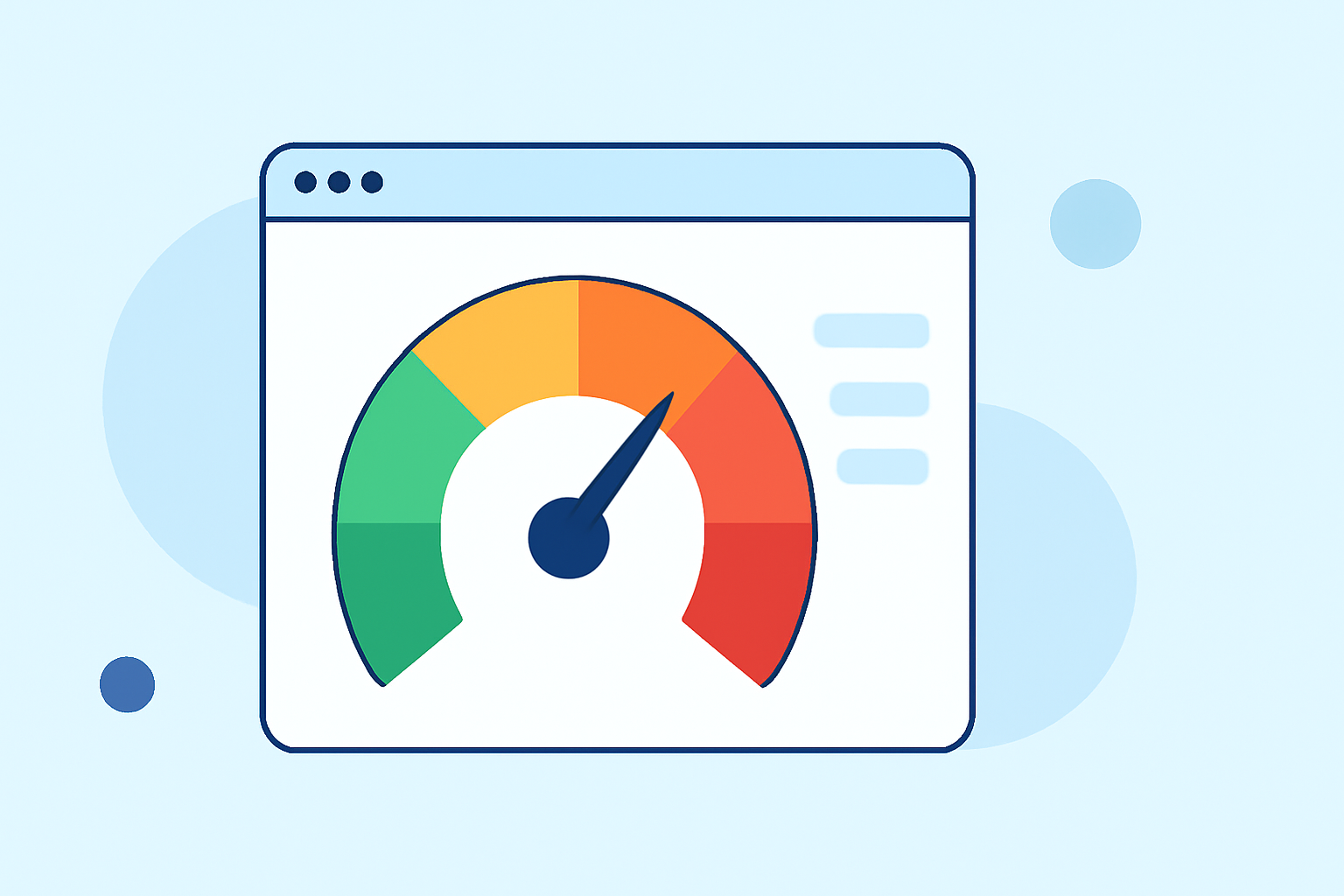
The AQI consists of six color-coded categories, each representing a different range of air quality conditions:
- Good (0-50): Air quality is satisfactory, and air pollution poses little or no risk.
- Moderate (51-100): Air quality is acceptable; however, there may be a risk for some people, particularly those who are unusually sensitive to air pollution.
- Unhealthy for Sensitive Groups (101-150): Members of sensitive groups may experience health effects, but the general public is not likely to be affected.
- Unhealthy (151-200): Everyone may begin to experience health effects, and members of sensitive groups may experience more serious effects.
- Very Unhealthy (201-300): Health alert: everyone may experience more serious health effects.
- Hazardous (301 and higher): Health warnings of emergency conditions. The entire population is more likely to be affected.
Health Impacts of AQI Categories
Understanding the health implications associated with each AQI category allows individuals to make informed choices:
- Good: Engage in outdoor activities without concern.
- Moderate: While most individuals can continue normal activities, those who are sensitive may want to limit prolonged outdoor exertion.
- Unhealthy for Sensitive Groups: Sensitive groups should limit prolonged outdoor exertion; others can continue normal activities.
- Unhealthy: Everyone should reduce outdoor activities, and sensitive groups should avoid it altogether.
- Very Unhealthy and Hazardous: Health warnings are issued, and everyone should avoid outdoor activities; sensitive individuals should remain indoors.
How is AQI Calculated?
The AQI is calculated based on a formula that converts real-time data on pollutant concentrations into index values that correspond to the categories mentioned above. This involves determining the highest index value among the pollutants measured, creating a comprehensive understanding of air quality.
Official Sources of AQI Definitions
For authoritative information on AQI categories and their definitions, resources like AirNow provide comprehensive explanations and real-time updates on air quality levels across the United States. These platforms ensure individuals have access to the most accurate data regarding air quality.
Tools for Monitoring AQI
Regularly using an app like Clime can provide real-time AQI data tailored to your location, alongside other weather information. It equips users with proactive alerts for changing air quality levels and helps them make informed decisions based on environmental conditions. By integrating this knowledge into daily routines, individuals can better protect their health and overall well-being.
What We Recommend
- Utilize apps that provide updated AQI data for better planning of outdoor activities.
- Stay informed about local air quality conditions, especially during weather changes.
- Pay attention to AQI levels to maintain health, especially in sensitive groups.
- Use reliable sources for understanding AQI categories and their implications.