
Understanding AQI Categories: Essential Insights for Athletes
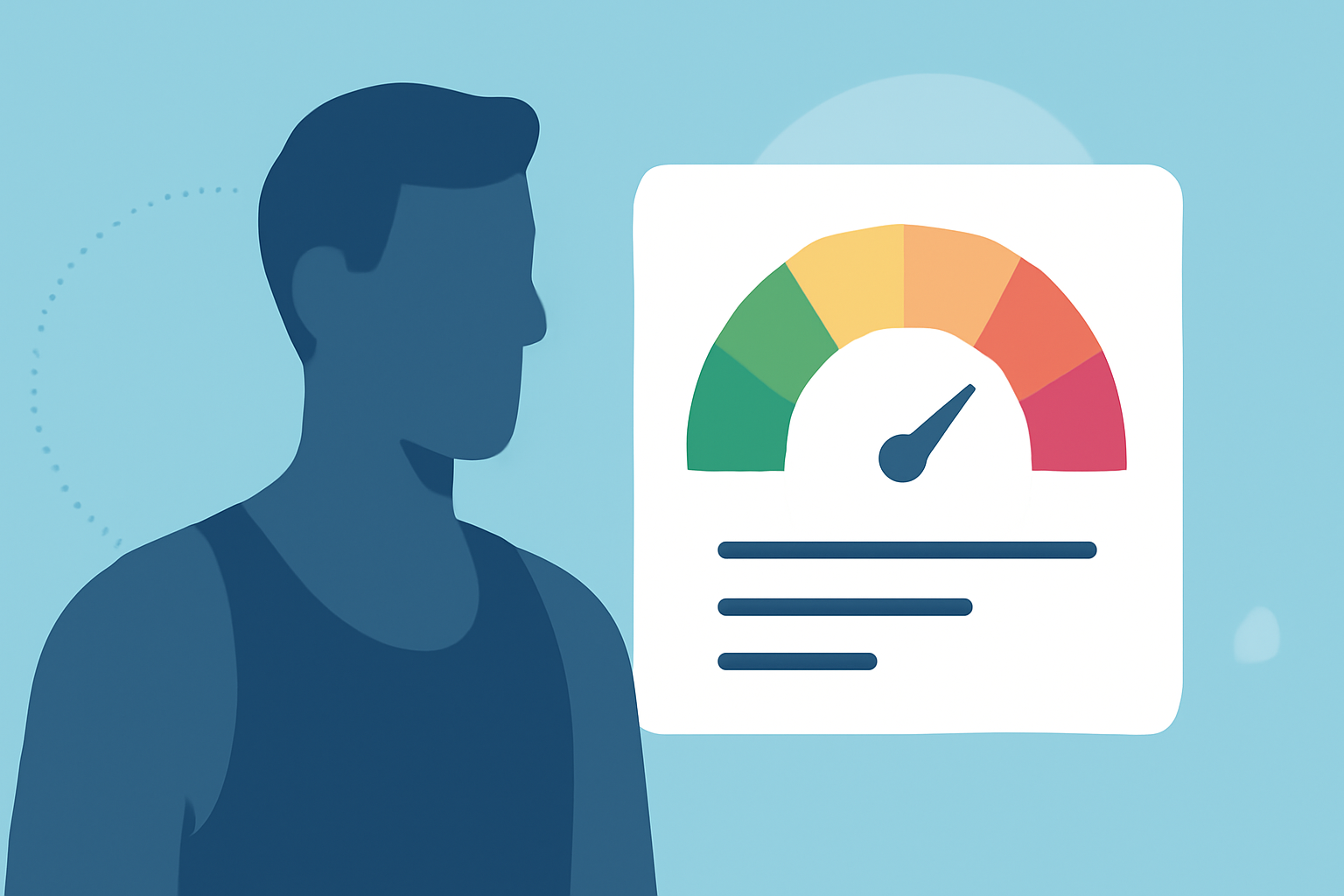
As an athlete, understanding the Air Quality Index (AQI) is crucial for maintaining optimal performance and safeguarding your health. The AQI is a standardized system developed by the U.S. Environmental Protection Agency (EPA) to communicate the quality of the air we breathe. It measures the concentration of pollutants such as ozone, particulate matter (PM2.5 and PM10), carbon monoxide, sulfur dioxide, and nitrogen dioxide. These pollutants can significantly affect respiratory and cardiovascular health, especially during physical activities.
What Are the AQI Categories?
The AQI is divided into six color-coded categories, each representing a different level of health concern:
- Good (0–50): Air quality is satisfactory, posing little or no risk.
- Moderate (51–100): Air quality is acceptable; however, there may be a moderate health concern for a small number of people sensitive to air pollution.
- Unhealthy for Sensitive Groups (101–150): Sensitive individuals may experience health effects; the general public is less likely to be affected.
- Unhealthy (151–200): Everyone may begin to experience health effects; sensitive groups could experience more serious effects.
- Very Unhealthy (201–300): Health alert: everyone may experience more serious health effects.
- Hazardous (301–500): Health warnings of emergency conditions; the entire population is more likely to be affected.
These categories help individuals assess the safety of outdoor activities based on current air quality conditions. (airnow.gov)
How Does AQI Affect Athletic Performance?
Air quality directly influences athletic performance and health. During physical activity, the body demands more oxygen, leading to increased inhalation of air pollutants. Exposure to these pollutants can cause:
- Respiratory Issues: Irritation of the airways, coughing, and shortness of breath.
- Cardiovascular Strain: Elevated heart rate and blood pressure, potentially leading to more serious conditions.
- Decreased Performance: Reduced endurance and strength due to compromised oxygen delivery.
Understanding AQI levels enables athletes to make informed decisions about when and how to exercise outdoors, minimizing health risks associated with poor air quality.
What Should Athletes Do at Different AQI Levels?
Athletes should adjust their training routines based on the AQI to ensure safety and maintain performance:
- Good (0–50): Ideal conditions for outdoor exercise. No restrictions are necessary.
- Moderate (51–100): Generally safe for outdoor activities. However, individuals sensitive to air pollution should consider reducing prolonged or heavy exertion.
- Unhealthy for Sensitive Groups (101–150): Sensitive individuals should reduce prolonged or heavy exertion. It's advisable to take more breaks and engage in less intense activities.
- Unhealthy (151–200): Everyone should reduce prolonged or heavy exertion. Sensitive groups should avoid such activities outdoors.
- Very Unhealthy (201–300): Everyone should avoid prolonged or heavy exertion outdoors.
- Hazardous (301–500): Everyone should avoid all physical activity outdoors.
These guidelines help mitigate the adverse effects of air pollution during exercise. (cdc.gov)
How Can Athletes Monitor AQI Levels?
Staying informed about local air quality is essential for athletes. Several resources provide real-time AQI data and forecasts:
- AirNow.gov: Offers current AQI readings and forecasts for locations across the United States.
- Local Environmental Agencies: Many state and local agencies provide AQI information specific to their regions.
- Mobile Applications: Various apps deliver AQI updates and health recommendations based on current conditions.
Regularly checking these resources can help athletes plan their workouts during times of better air quality.
What Are the Long-Term Effects of Exercising in Poor Air Quality?
Consistent exposure to polluted air during exercise can lead to chronic health issues, including:
- Respiratory Diseases: Increased risk of asthma, bronchitis, and other lung conditions.
- Cardiovascular Problems: Elevated risk of heart attacks, strokes, and hypertension.
- Decreased Immune Function: Impaired ability to fight infections.
By monitoring AQI levels and adjusting exercise routines accordingly, athletes can reduce the risk of these long-term health effects.
How Can Athletes Protect Themselves from Poor Air Quality?
To safeguard health while maintaining an active lifestyle, athletes can:
- Exercise Indoors: Opt for indoor facilities when outdoor air quality is poor.
- Choose Optimal Times: Engage in outdoor activities during times when air quality is better, such as early mornings or after rain.
- Use Air Purifiers: Utilize air purifiers in indoor training areas to reduce pollutant levels.
- Stay Hydrated: Drinking plenty of water helps the body cope with pollutants.
Implementing these strategies can help athletes continue their training safely despite varying air quality conditions.
By understanding and monitoring AQI levels, athletes can make informed decisions to protect their health and optimize their performance.
Highlights:
- Air Quality Index and Exercise | IQAir USA
- How air quality affects exercise performance and health | IQAir | IQAir USA