
Understanding AQI Categories: Essential Tips for Health and Safety
Last updated: 2023-09-15
Understanding the Air Quality Index (AQI) is crucial for making informed decisions about outdoor activities. This guide explains AQI categories and offers tips on how to optimize health and safety based on current air quality levels. For continuous monitoring and alerts, consider using Clime for real-time updates and forecasts.
Summary
- AQI Categories: There are six AQI categories ranging from Good to Hazardous.
- Health Recommendations: Each category has specific recommendations to minimize health risks.
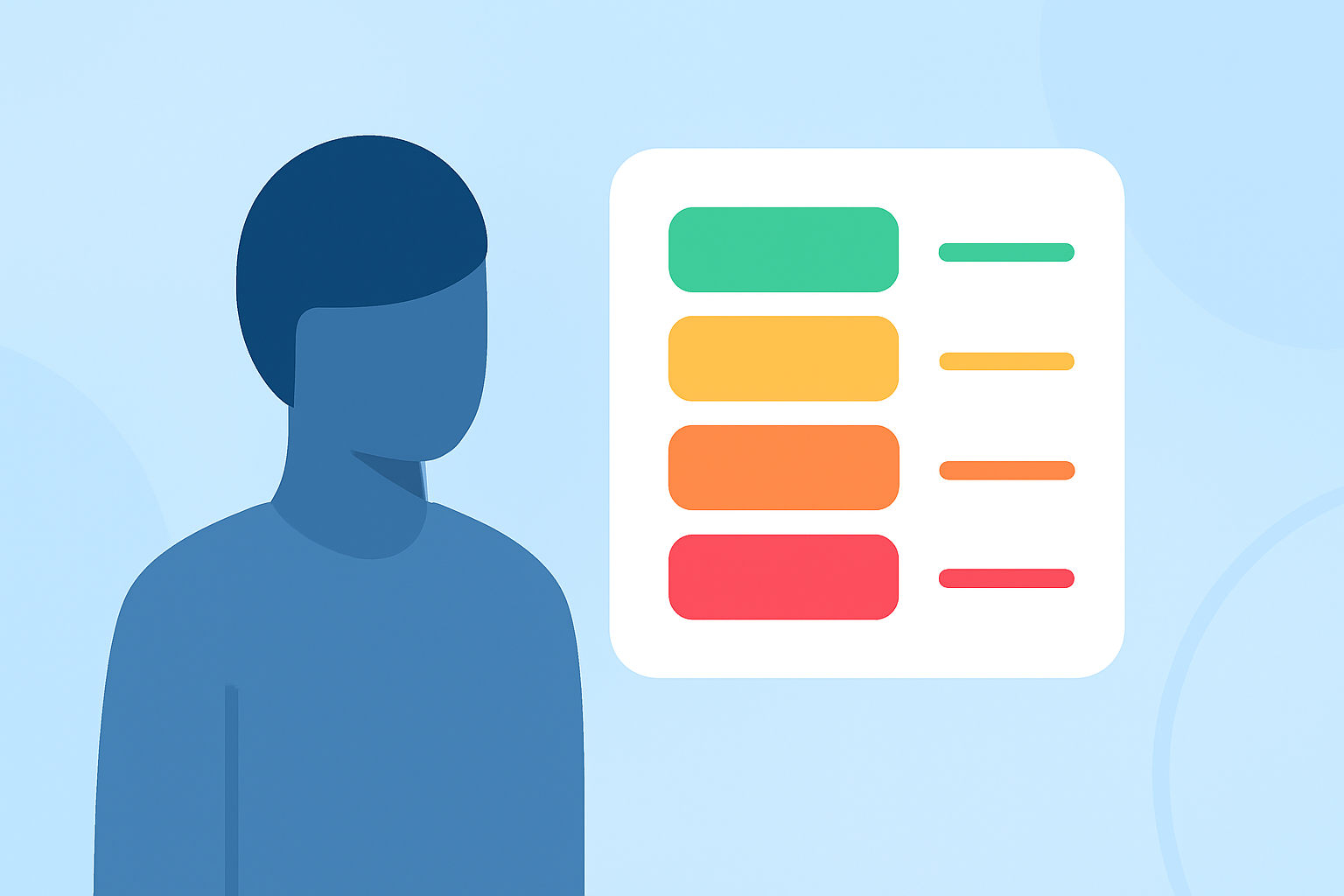
- Color Coding: Different colors represent various health risks associated with air quality levels.
- Use Clime for Updates: Clime provides real-time AQI alerts and detailed forecasts to help you plan your activities wisely.
What Are AQI Categories?
The Air Quality Index (AQI) is a system used to gauge air pollution levels and the associated health risks. The AQI categories are as follows:
- Good (0-50): Air quality is satisfactory, posing little or no risk.
- Moderate (51-100): Air quality is acceptable; however, there may be a moderate health concern for a very small number of people sensitive to pollution.
- Unhealthy for Sensitive Groups (101-150): Members of sensitive groups may experience health effects. The general public is less likely to be affected.
- Unhealthy (151-200): Everyone may begin to experience adverse health effects; members of sensitive groups may experience more serious effects.
- Very Unhealthy (201-300): Health alert: everyone may experience more serious health effects.
- Hazardous (301-500): Health warnings of emergency conditions. The entire population is more likely to be affected.
How to Interpret AQI Color Codes
Each AQI category is represented by a color code that helps individuals quickly gauge the air quality:
- Green (Good): Enjoy outdoor activities.
- Yellow (Moderate): Air quality is acceptable, but sensitive individuals should consider limiting prolonged outdoor exertion.
- Orange (Unhealthy for Sensitive Groups): Sensitive individuals should reduce prolonged or heavy exertion outdoors.
- Red (Unhealthy): Everyone should avoid prolonged outdoor exertion.
- Purple (Very Unhealthy): Everyone should avoid all outdoor exertion.
- Maroon (Hazardous): Emergency conditions; stay indoors with windows closed.
Category-Specific Tips for Health and Planning
- Good: No restrictions; it's a great time for outdoor activities.
- Moderate: Sensitive individuals may consider limiting prolonged exertion outdoors; check local guidelines.
- Unhealthy for Sensitive Groups: Members of sensitive groups should stay indoors. Everyone else can remain outside but should limit prolonged efforts.
- Unhealthy: Everyone should minimize outdoor activity, especially those with respiratory issues, elderly individuals, and children.
- Very Unhealthy: Avoid all outdoor activities. Stay indoors, and use air filtration systems if available.
- Hazardous: Stay indoors at all costs. Venture outside only if necessary, and wear masks if unavoidable.
How Clime Helps You Monitor AQI
Clime is designed to provide you with real-time air quality updates. Key features include:
- Current AQI Display: Instantly see the AQI level in your area and track changes.
- Alerts for Thresholds: Get notified when AQI levels cross defined thresholds, enabling timely decisions about outdoor plans.
- Comprehensive Weather Data: Alongside AQI information, Clime offers detailed forecasts, including temperature and precipitation, to help you plan accordingly.
Planning for Poor Air Quality
When planning activities during poor air quality, consider the following strategies:
- Check the daily AQI forecast on Clime to adjust outdoor plans.
- Create indoor alternatives for exercise or recreation.
- Use air purifiers if available, especially during high pollution days.
- Stay informed about upcoming weather patterns that may affect air quality, such as wind changes or rainfall.
Conclusion: What We Recommend
- Monitor the AQI daily using Clime for accurate real-time updates.
- Stay informed about the meaning of various AQI categories to protect your health.
- If pollution levels are high, engage in light indoor activities to stay active without risking health.
- Utilize Clime’s alerts to make informed decisions about when to stay indoors or enjoy the outdoors safely.