
Understanding AQI Categories on Your iPad
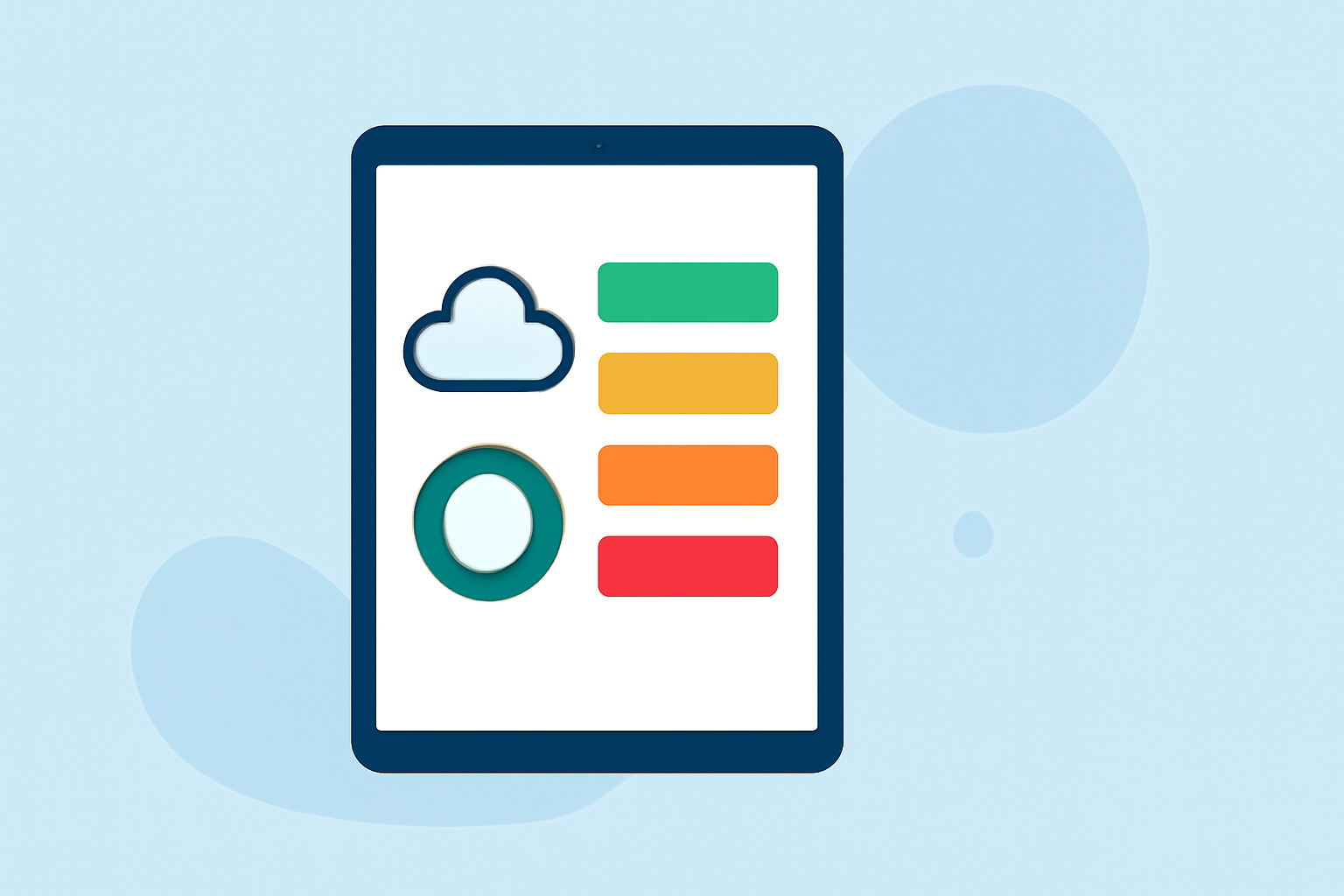
Monitoring air quality is essential for health and well-being. The Air Quality Index (AQI) provides a standardized way to assess and communicate air pollution levels. On your iPad, you can easily access AQI information through various applications and built-in features.
What Are AQI Categories?
The AQI is divided into six categories, each representing a different level of health concern:
- Good (0–50): Air quality is satisfactory, posing little or no risk.
- Moderate (51–100): Air quality is acceptable; however, there may be a risk for some people, particularly those unusually sensitive to air pollution.
- Unhealthy for Sensitive Groups (101–150): Members of sensitive groups may experience health effects; the general public is less likely to be affected.
- Unhealthy (151–200): Some members of the general public may experience health effects; members of sensitive groups may experience more serious effects.
- Very Unhealthy (201–300): Health alert: The risk of health effects is increased for everyone.
- Hazardous (301 and higher): Health warning of emergency conditions: everyone is more likely to be affected.
These categories help individuals understand the potential health impacts of current air quality levels. (airnow.gov)
Accessing AQI Information on Your iPad
To stay informed about local air quality, consider using dedicated applications available on the App Store. These apps provide real-time AQI data, forecasts, and health recommendations. For instance, the Air Quality Index - Live AQI app offers live AQI data, weather information, and interactive maps. (apps.apple.com)
Using Built-in Features
Some iPad models may integrate AQI information into the Weather app, allowing you to view current air quality conditions alongside weather forecasts. Ensure your device is updated to the latest iOS version to access this feature.
Understanding AQI Data
AQI values are calculated based on concentrations of specific pollutants, including ground-level ozone, particulate matter (PM2.5 and PM10), carbon monoxide, sulfur dioxide, and nitrogen dioxide. Each pollutant has its own health impact, and the AQI provides a composite score to reflect overall air quality. (airnow.gov)
Health Recommendations Based on AQI Levels
- Good (0–50): It's a great day to be active outside.
- Moderate (51–100): Unusually sensitive people should consider reducing prolonged or heavy exertion.
- Unhealthy for Sensitive Groups (101–150): Sensitive groups should reduce prolonged or heavy exertion.
- Unhealthy (151–200): Everyone should reduce prolonged or heavy exertion.
- Very Unhealthy (201–300): Everyone should avoid prolonged or heavy exertion.
- Hazardous (301 and higher): Everyone should avoid all physical activity outdoors.
These recommendations help minimize health risks associated with poor air quality. (airnow.gov)
Conclusion
By utilizing your iPad to monitor AQI categories, you can make informed decisions to protect your health and well-being. Regularly checking AQI levels, especially during periods of high pollution, empowers you to take appropriate actions to minimize exposure to harmful air pollutants.
Highlights:
- How to Use the Air Quality Index | Scientific American, Published on Tuesday, June 06
- AQI Basics | AirNow.gov
- Understanding the Air Quality Index (AQI): Complete Guide 2026 | US Air Quality, Published on Tuesday, January 06