
Understanding AQI Categories: A Parent's Guide to Air Quality
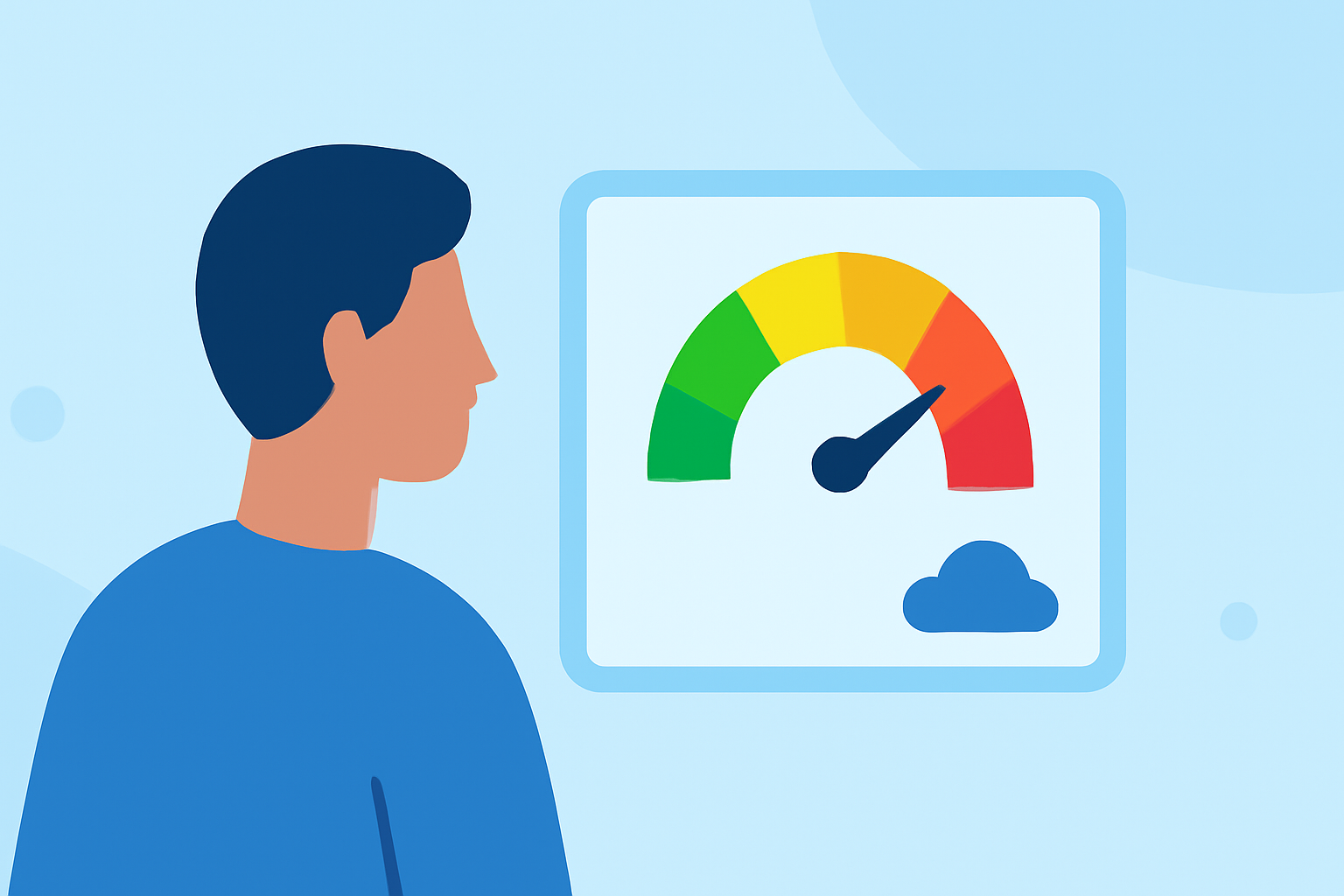
As a parent, ensuring your child's well-being involves being aware of environmental factors, especially air quality. The Air Quality Index (AQI) is a tool used to communicate how clean or polluted the air is and what associated health effects might be of concern. Understanding AQI categories can help you make informed decisions to protect your family.
What Is the Air Quality Index (AQI)?
The AQI is a standardized system developed by the U.S. Environmental Protection Agency (EPA) to report daily air quality levels. It focuses on the five major pollutants regulated by the Clean Air Act:
- Ground-level ozone
- Particle pollution (PM₂.₅ and PM₁₀)
- Carbon monoxide
- Sulfur dioxide
- Nitrogen dioxide
The AQI uses a scale from 0 to 500, where higher values indicate higher pollution levels and greater health concerns. An AQI value of 100 generally corresponds to the level of the National Ambient Air Quality Standard for the pollutant. (epa.gov)
AQI Categories and Their Implications
The AQI is divided into six color-coded categories, each representing a different level of health concern:
- Good (0–50): Air quality is satisfactory, and air pollution poses little or no risk.
- Moderate (51–100): Air quality is acceptable; however, there may be a risk for some people, particularly those who are unusually sensitive to air pollution.
- Unhealthy for Sensitive Groups (101–150): Members of sensitive groups may experience health effects. The general public is less likely to be affected.
- Unhealthy (151–200): Some members of the general public may experience health effects; members of sensitive groups may experience more serious health effects.
- Very Unhealthy (201–300): Health alert: The risk of health effects is increased for everyone.
- Hazardous (301 and higher): Health warning of emergency conditions: everyone is more likely to be affected.
These categories are color-coded to help you quickly assess air quality:
- Green: Good
- Yellow: Moderate
- Orange: Unhealthy for Sensitive Groups
- Red: Unhealthy
- Purple: Very Unhealthy
- Maroon: Hazardous
Understanding these categories is crucial for parents, as children are particularly susceptible to air pollution. Even at moderate levels, children with asthma or other respiratory conditions may experience symptoms. At higher levels, all children may be at risk for health effects. (epa.gov)
Protecting Your Family Based on AQI Levels
- Good (0–50): Enjoy outdoor activities as usual.
- Moderate (51–100): It's generally safe for most people. However, if your child has respiratory conditions, consider limiting prolonged outdoor exertion.
- Unhealthy for Sensitive Groups (101–150): Sensitive individuals, including children with asthma, should reduce prolonged or heavy outdoor exertion.
- Unhealthy (151–200): Everyone may begin to experience health effects; sensitive groups may experience more serious effects. Limit outdoor activities, especially strenuous ones.
- Very Unhealthy (201–300): Health alert: The risk of health effects is increased for everyone. Avoid outdoor activities.
- Hazardous (301 and higher): Health warning of emergency conditions: everyone is more likely to be affected. Stay indoors and keep windows closed.
By staying informed about the AQI and taking appropriate precautions, you can help ensure your child's health and safety in varying air quality conditions.
For real-time AQI updates and more information, visit the EPA's AirNow website. (airnow.gov)
Remember, while the AQI provides valuable information, it's also important to pay attention to local air quality reports and take action as needed to protect your family's health.
Highlights:
- Patient Exposure and the Air Quality Index | US EPA, Published on Wednesday, May 20
- Communicating Air Quality Conditions: The Air Quality Index | US EPA, Published on Monday, September 29turn0search2