
Understanding AQI Categories: A Traveler's Guide
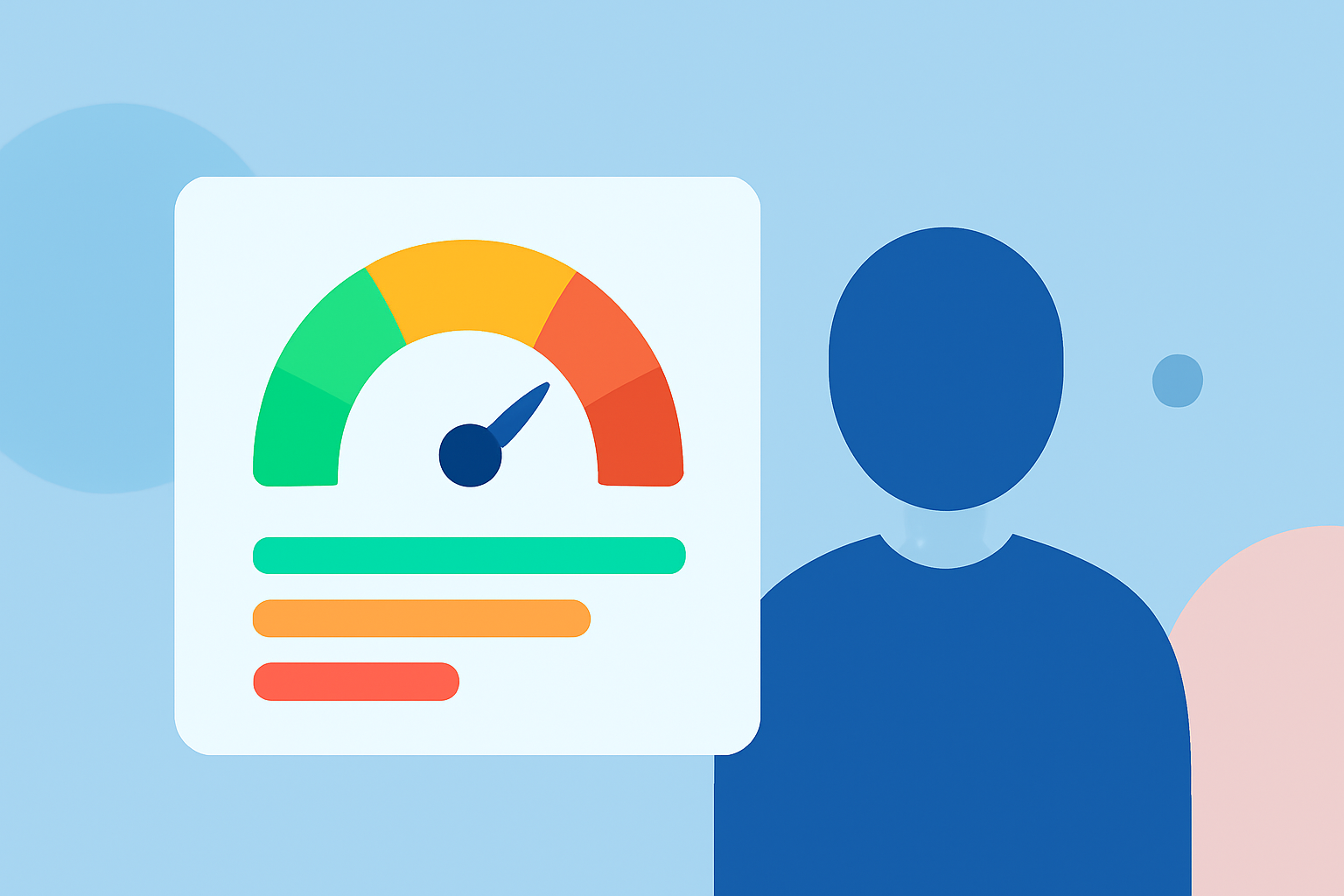
When traveling in the United States, understanding the Air Quality Index (AQI) is essential for your health and safety. The AQI is a standardized system that measures air pollution levels and their potential health impacts. It ranges from 0 to 500, with higher values indicating worse air quality and greater health risks. (scientificamerican.com)
What Are the AQI Categories?
The AQI is divided into six color-coded categories, each representing a different level of health concern:
- Good (0–50): Air quality is satisfactory, posing little or no risk.
- Moderate (51–100): Air quality is acceptable; however, there may be a moderate health concern for a small number of people sensitive to air pollution.
- Unhealthy for Sensitive Groups (101–150): Sensitive individuals, such as those with respiratory conditions, may experience health effects. The general public is less likely to be affected.
- Unhealthy (151–200): Everyone may begin to experience health effects; sensitive groups may experience more serious effects.
- Very Unhealthy (201–300): Health alert: everyone may experience more serious health effects.
- Hazardous (301 and higher): Health warning of emergency conditions; the entire population is more likely to be affected.
These categories help travelers quickly assess air quality and take appropriate precautions. (epa.gov)
How Is the AQI Calculated?
The AQI is calculated based on measurements of key air pollutants, including:
- Ground-level ozone
- Particulate matter (PM2.5 and PM10)
- Carbon monoxide
- Sulfur dioxide
- Nitrogen dioxide
Each pollutant has its own sub-index, and the highest sub-index determines the overall AQI value. This method ensures that the AQI reflects the pollutant that poses the greatest health risk at a given time. (scientificamerican.com)
Why Should Travelers Care About the AQI?
Travelers should monitor the AQI to make informed decisions about outdoor activities. High AQI levels can lead to health issues such as respiratory problems, fatigue, and headaches. By staying informed, you can adjust your plans to minimize exposure to polluted air. (forbes.com)
How Can Travelers Monitor the AQI?
Several resources are available to help travelers monitor the AQI:
- EPA's AirNow Website: Provides real-time AQI information for locations across the U.S.
- Mobile Apps: Various apps offer AQI updates and health recommendations.
- Local News and Weather Services: Often provide AQI updates as part of their regular broadcasts.
By utilizing these resources, travelers can stay informed about air quality conditions in their destination areas.
What Precautions Should Travelers Take Based on AQI Levels?
- Good (0–50): Enjoy outdoor activities without concern.
- Moderate (51–100): Most people can engage in outdoor activities; sensitive individuals should consider limiting prolonged exertion.
- Unhealthy for Sensitive Groups (101–150): Sensitive individuals should reduce prolonged or heavy exertion; others can continue normal activities.
- Unhealthy (151–200): Sensitive individuals should avoid prolonged exertion; everyone else should reduce prolonged or heavy exertion.
- Very Unhealthy (201–300): Sensitive individuals should avoid all physical activity outdoors; everyone else should avoid prolonged exertion.
- Hazardous (301 and higher): Everyone should avoid all physical activity outdoors.
These guidelines help ensure that travelers can make safe choices regarding outdoor activities based on current air quality conditions. (epa.gov)
By understanding and monitoring the AQI, travelers can protect their health and enjoy their trips with greater peace of mind.
Highlights:
- How to Use the Air Quality Index | Scientific American, Published on Tuesday, June 06
- Air Quality Index (AQI) Concerns: How To Stay Safe – Forbes Health, Published on Sunday, July 284