
Understanding Arctic Climate Trends: A Comprehensive Guide
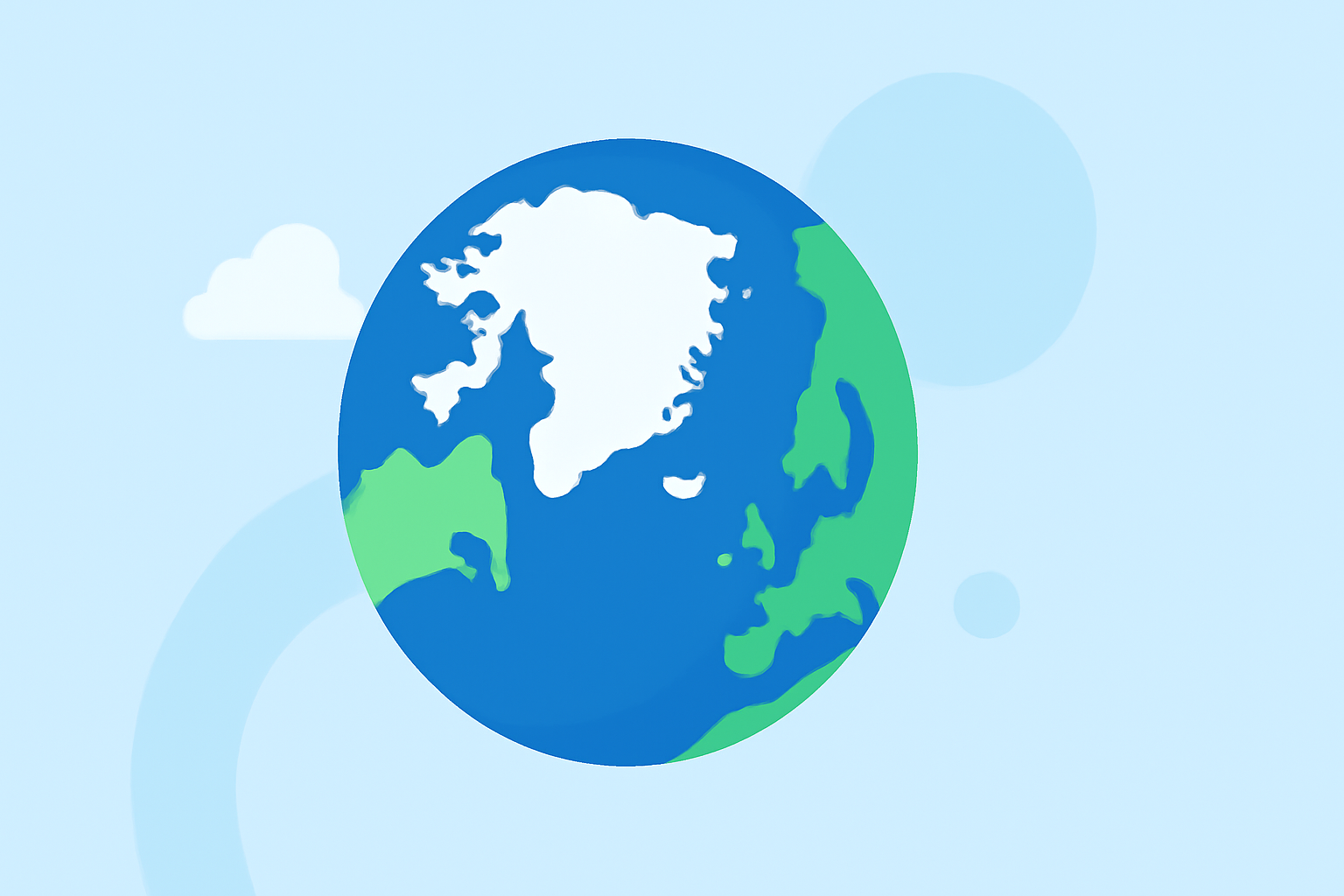
The Arctic is experiencing unprecedented warming, with temperatures rising at twice the global average. (scied.ucar.edu) This rapid change has profound effects on the environment and global climate patterns.
Key Arctic Climate Trends
-
Sea Ice Decline: Since 1978, Arctic sea ice extent has decreased by approximately 50%, with a record low in 2012. (climatesignals.org)
-
Permafrost Thaw: Thawing permafrost releases greenhouse gases like methane and carbon dioxide, contributing to further warming. (scied.ucar.edu)
-
Glacier and Ice Sheet Melting: The Greenland Ice Sheet and Arctic glaciers are melting rapidly, adding freshwater to the oceans and affecting global sea levels. (quizlet.com)
Global Implications
The Arctic's rapid warming influences global weather patterns, leading to more extreme weather events in mid-latitude regions. (climatesignals.org) Additionally, the loss of sea ice and thawing permafrost contribute to rising sea levels, posing risks to coastal communities worldwide. (toolkit.climate.gov)
Clime's Role in Monitoring Arctic Climate
Clime offers advanced tools that provide real-time data on Arctic climate changes, enabling users to monitor trends and make informed decisions. Our platform curates Arctic and global climate change datasets, presenting them through interactive charts and indicators. These visualizations simplify complex data, making it accessible to a broad audience, including policymakers, educators, and the general public. (api.arcticrisk.org)
Conclusion
The Arctic's rapid warming is a critical issue with far-reaching global consequences. Utilizing Clime's tools allows individuals and organizations to stay informed and actively participate in addressing these challenges.
Highlights:
- Executive Summary - NOAA Arctic, Published on Monday, December 22
- Arctic Climate Change Update 2024: Key Trends and Impacts Summary for Policymakers, Published on Wednesday, May 14