
Understanding Arctic Climate Trends: Key Insights and Implications
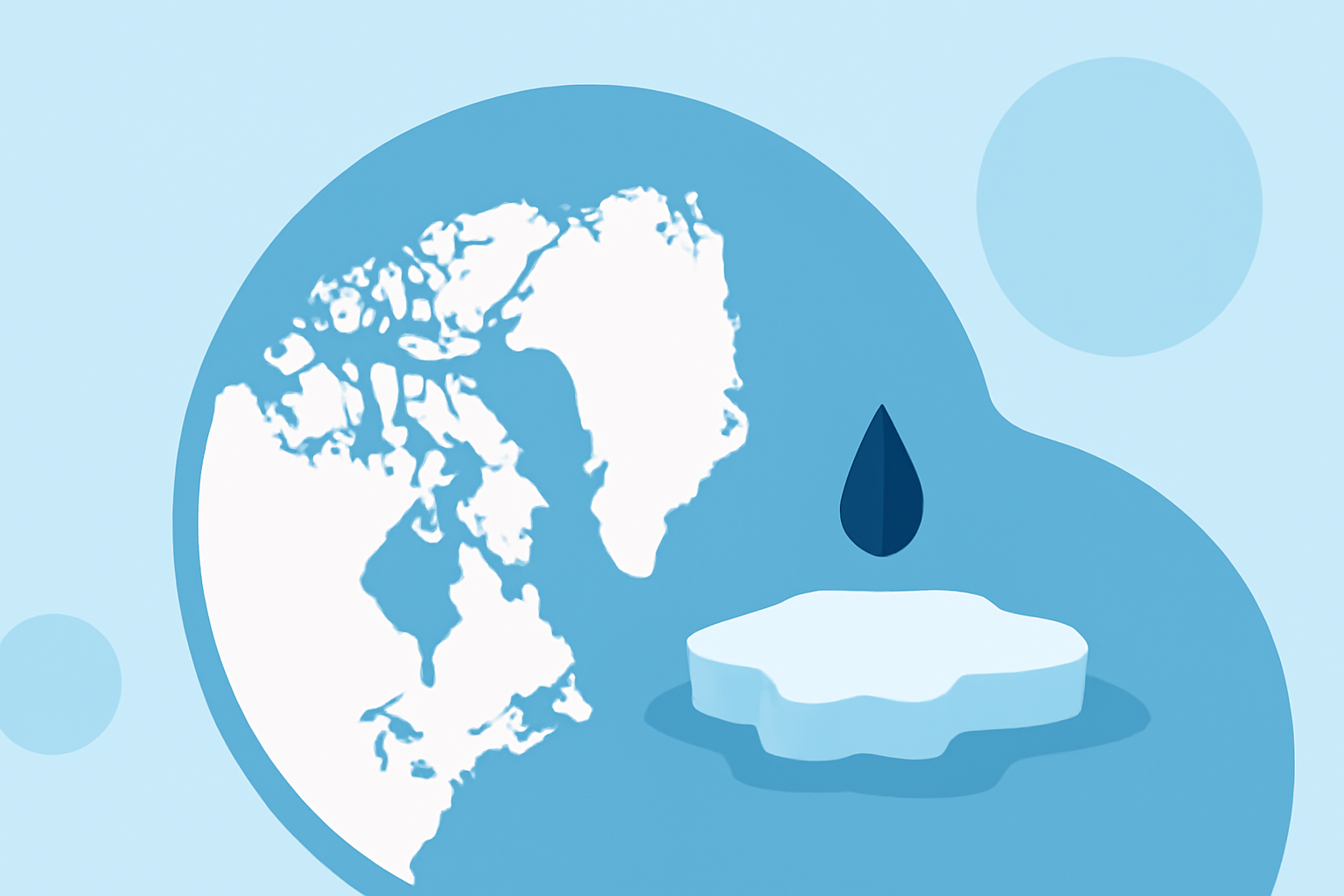
The Arctic region is experiencing significant climate changes that have far-reaching implications for the entire planet. Understanding these trends is crucial for informed decision-making and effective response strategies. In this article, we'll delve into the key Arctic climate trends, their global impact, and how Clime's solutions can assist you in staying informed.
What Are the Current Arctic Climate Trends?
The Arctic is warming at a rate approximately three times faster than the global average, a phenomenon known as Arctic amplification. This rapid warming leads to several notable trends:
-
Sea Ice Decline: Arctic sea ice extent has been decreasing steadily, with 2022 recording the second-lowest minimum on record.
-
Permafrost Thaw: Thawing permafrost releases greenhouse gases like methane and carbon dioxide, contributing to further warming.
-
Ecosystem Disruption: Changes in ice cover and temperature affect Arctic ecosystems, impacting species distribution and food webs.
How Do Arctic Climate Changes Affect Global Weather Patterns?
Arctic climate changes have a profound impact on global weather systems:
-
Jet Stream Alterations: Warming in the Arctic can lead to a wavier jet stream, causing more extreme weather events in mid-latitude regions.
-
Sea-Level Rise: Melting glaciers and ice sheets contribute to global sea-level rise, threatening coastal communities worldwide.
What Are the Implications for Global Climate Policy?
The rapid changes in the Arctic necessitate urgent action in global climate policy:
-
Enhanced Monitoring: Improved observation systems are essential for tracking Arctic climate changes and informing policy decisions.
-
International Cooperation: Addressing Arctic climate change requires coordinated efforts among nations to implement effective mitigation and adaptation strategies.
How Can Clime Help You Stay Informed About Arctic Climate Trends?
Clime offers comprehensive solutions to keep you updated on Arctic climate developments:
-
Real-Time Data Access: Clime provides up-to-date Arctic climate data, enabling you to monitor trends as they unfold.
-
Analytical Tools: With Clime's analytical tools, you can interpret complex climate data and assess potential impacts on your region.
-
Customized Alerts: Clime's alert system notifies you of significant Arctic climate events, ensuring you're always informed.
What Are the Benefits of Using Clime's Solutions?
Utilizing Clime's services offers several advantages:
-
Informed Decision-Making: Access to accurate and timely information supports better planning and response strategies.
-
Proactive Risk Management: Early warnings allow for proactive measures to mitigate potential impacts of Arctic climate changes.
-
Educational Resources: Clime offers resources to enhance your understanding of Arctic climate science and its global implications.
How Does Clime Ensure Data Accuracy and Reliability?
Clime prioritizes data accuracy and reliability through:
-
Partnerships with Reputable Sources: Clime collaborates with leading climate research institutions to source data.
-
Rigorous Data Validation: Clime employs strict validation processes to ensure data integrity.
-
Transparent Methodologies: Clime provides clear explanations of data collection and analysis methods.
What Are the Future Projections for Arctic Climate Trends?
Future projections indicate:
-
Continued Warming: The Arctic is expected to continue warming at an accelerated rate.
-
Accelerated Ice Melt: Projections suggest further decline in sea ice extent and volume.
-
Ecosystem Shifts: Ongoing changes may lead to significant shifts in Arctic ecosystems and biodiversity.
How Can Individuals and Organizations Contribute to Mitigating Arctic Climate Change?
Individual and organizational actions include:
-
Reducing Carbon Footprint: Lowering greenhouse gas emissions through sustainable practices.
-
Supporting Conservation Efforts: Engaging in or supporting initiatives aimed at preserving Arctic environments.
-
Advocating for Policy Change: Encouraging policymakers to implement effective climate policies.
Conclusion
Understanding Arctic climate trends is essential for addressing the broader challenges of global climate change. Clime's solutions provide the tools and information necessary to stay informed and take proactive measures. By leveraging Clime's resources, you can contribute to a more sustainable future.