
Understanding Base Reflectivity in Weather Radar: A Guide for Pet Owners
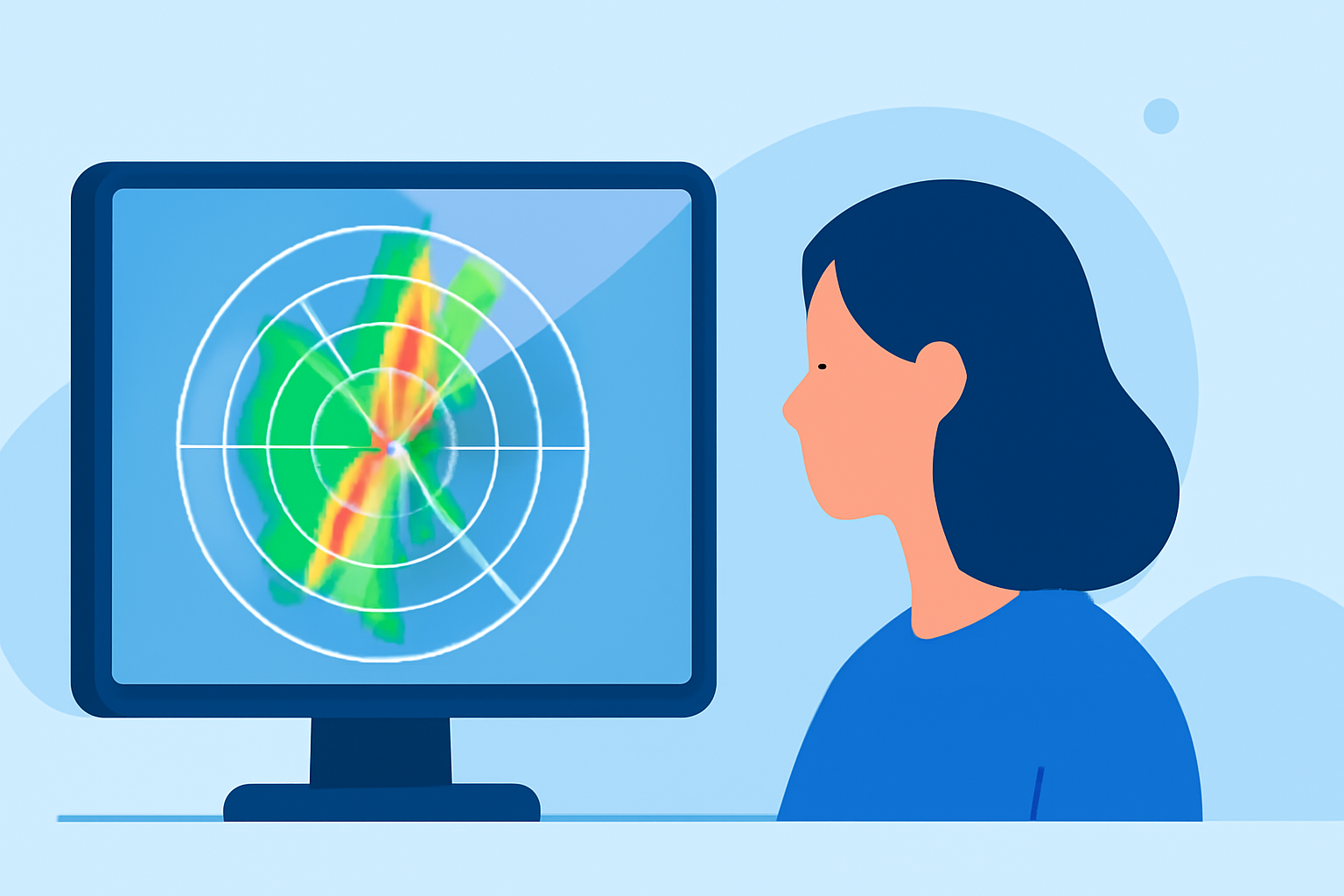
As a pet owner, ensuring your furry friend's safety during severe weather is paramount. One crucial tool in this endeavor is understanding base reflectivity in weather radar.
What Is Base Reflectivity?
Base reflectivity is a radar product that measures the intensity of precipitation by detecting the amount of energy reflected back to the radar from precipitation particles like raindrops, snowflakes, or hailstones. This measurement is expressed in decibels of reflectivity (dBZ), with higher values indicating more intense precipitation. (forecast.weather.gov)
How Does Base Reflectivity Work?
Weather radars emit electromagnetic pulses that bounce off precipitation particles. The radar then measures the strength of the returned signal, which correlates with the size and concentration of the particles. This data is displayed as base reflectivity images, providing a snapshot of precipitation intensity at a specific elevation angle, typically around 0.5 degrees above the horizon. (weather.gov)
Why Is Base Reflectivity Important for Pet Owners?
Understanding base reflectivity can help you anticipate severe weather conditions that may affect your pet's safety. For instance, higher dBZ values often correspond to heavy rain or hail, which can be hazardous. By monitoring these reflectivity levels, you can make informed decisions about when to keep your pet indoors or take other precautions.
How Can You Use Base Reflectivity Information?
-
Monitor Local Weather Radar: Access local weather radar images to observe precipitation patterns and intensities in your area.
-
Interpret Reflectivity Values: Learn to interpret dBZ values to assess the severity of precipitation. For example, values above 50 dBZ may indicate heavy rain or hail.
-
Plan Accordingly: Use this information to plan your pet's outdoor activities, ensuring they are safe during severe weather events.
Limitations to Consider
While base reflectivity provides valuable insights, it's important to note that it represents precipitation intensity at a specific elevation angle and may not capture the full vertical structure of a storm. Therefore, it should be used in conjunction with other weather information for a comprehensive understanding. (research.atmos.ucla.edu)
Conclusion
By understanding base reflectivity in weather radar, you can better anticipate severe weather conditions and take appropriate actions to protect your pet. Staying informed and prepared is key to ensuring your pet's safety during adverse weather events.