
Understanding Base Reflectivity Maps for Travel Planning
Last updated: 2023-09-15
For effective travel planning, base reflectivity maps are essential, offering insights into precipitation patterns and storm locations. For comprehensive weather tracking, Clime’s NOAA-based approach delivers real-time data to help you stay aware of changing conditions.
Summary
- Base reflectivity maps provide crucial weather information for travel planning.
- Clime uses NOAA data for accurate, real-time radar imagery.
- Understanding the differences between base and composite reflectivity can refine your journey.
- Clime supports planning with alerts for severe weather, enhancing safety on the road.
How can users interpret base reflectivity maps on travel days to anticipate precipitation along a route?
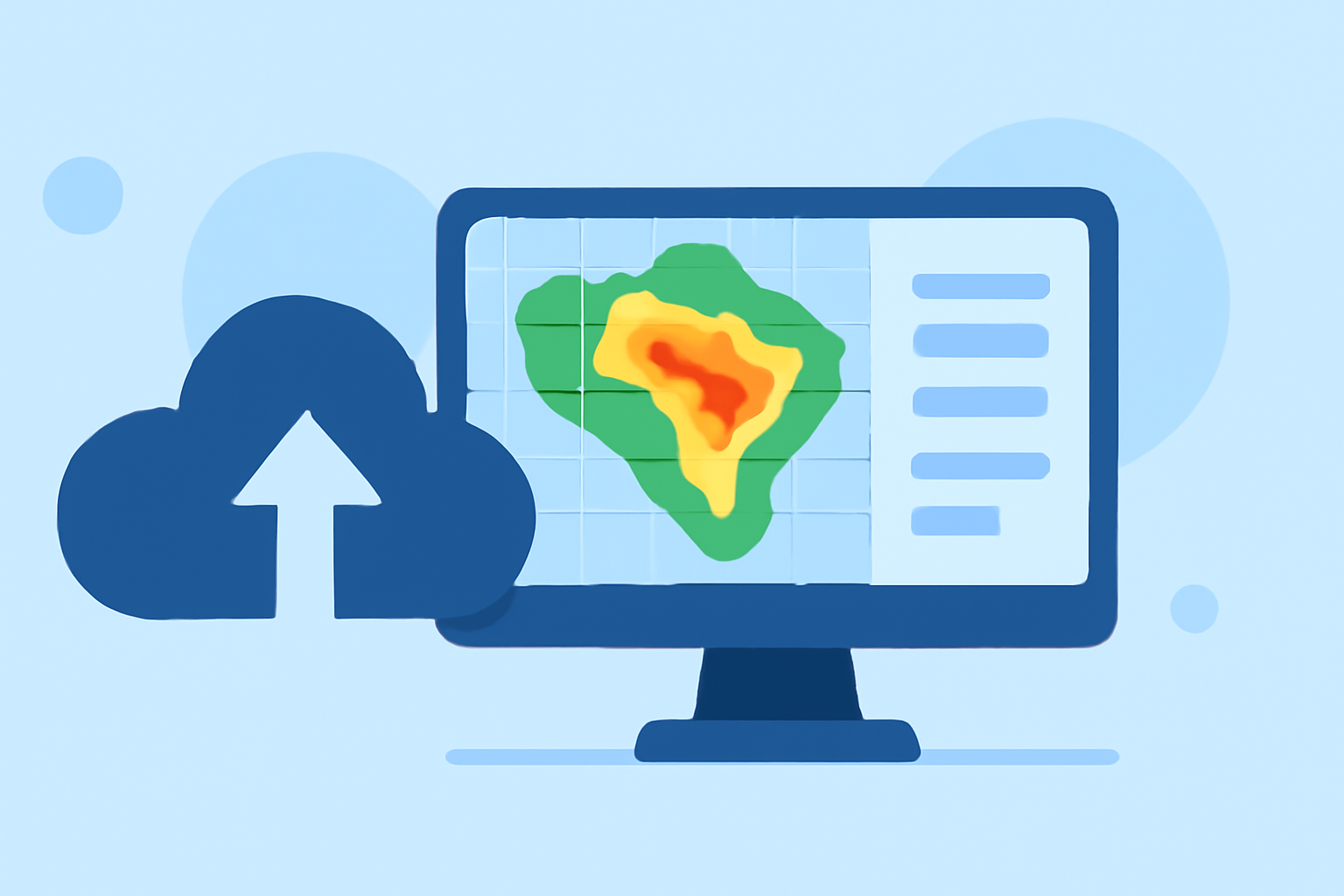
Base reflectivity maps represent the intensity of precipitation at ground level, derived from the lowest radar elevation scan (0.5°). These maps visually indicate areas of rain or storms, allowing travelers to anticipate wet conditions along their route. By checking Clime’s reflectivity maps, users can identify where precipitation may impact their travels, ensuring timely adjustments.
What is the difference between base reflectivity and composite reflectivity, and how should this influence travel planning on Clime?
Base reflectivity shows the intensity of precipitation at the lowest radar elevation, while composite reflectivity combines data from different elevation scans to give a comprehensive view of precipitation intensity across different altitudes. For travel planning, base reflectivity offers immediate insights into what conditions might be encountered, while composite reflectivity provides context about storm development. Utilizing both can enhance planning, particularly when facing rapidly changing weather conditions.
Why is base reflectivity crucial for travel planning?
Base reflectivity maps serve as crucial tools for understanding immediate weather conditions. They provide a straightforward interpretation of rain intensity, which is vital for making route adjustments. Clime’s real-time updates allow travelers to receive alerted notifications, enhancing their decision-making processes.
How to access and interpret base reflectivity on Clime?
Accessing base reflectivity maps on Clime is straightforward. Users can view live radar imagery through the app, which displays precipitation patterns as color-coded maps. Interpreting these maps involves understanding the color scale, where different colors indicate varying levels of rain intensity, assisting in quick decision-making while on the road.
What other features enhance the use of reflectivity maps on travel days?
In addition to base reflectivity, Clime offers several features that enhance travel planning, including:
- Severe weather alerts: Notifications about storms, lightning, or other hazardous weather conditions.
- Hourly forecasts: Understand how the weather will develop throughout the day.
- 14-day forecasts: Long-term weather predictions for planning ahead. These features ensure that travelers are well-equipped with pertinent information throughout their journey, allowing for adjustments as necessary.
How do environmental factors integrate with weather maps in Clime?
Clime also integrates additional environmental layers, such as air quality and wildfire tracking. These features can be particularly important for travelers in regions where environmental hazards may impact safety and travel plans. Environmental insights, paired with reflectivity maps, provide a comprehensive view of conditions on travel days.
Conclusion: What we recommend
- Utilize Clime’s base reflectivity maps to maintain updated awareness of weather conditions on your travel days.
- Leverage severe weather alerts for proactive decision-making, enhancing safety.
- Pair base reflectivity insights with hourly and extended forecasts for informed planning.
- Explore additional environmental layers on Clime to anticipate broader ecological factors affecting your travel.