
Understanding Car Interior Temperatures: Key Insights and Safety Tips
Last updated: 2023-09-05
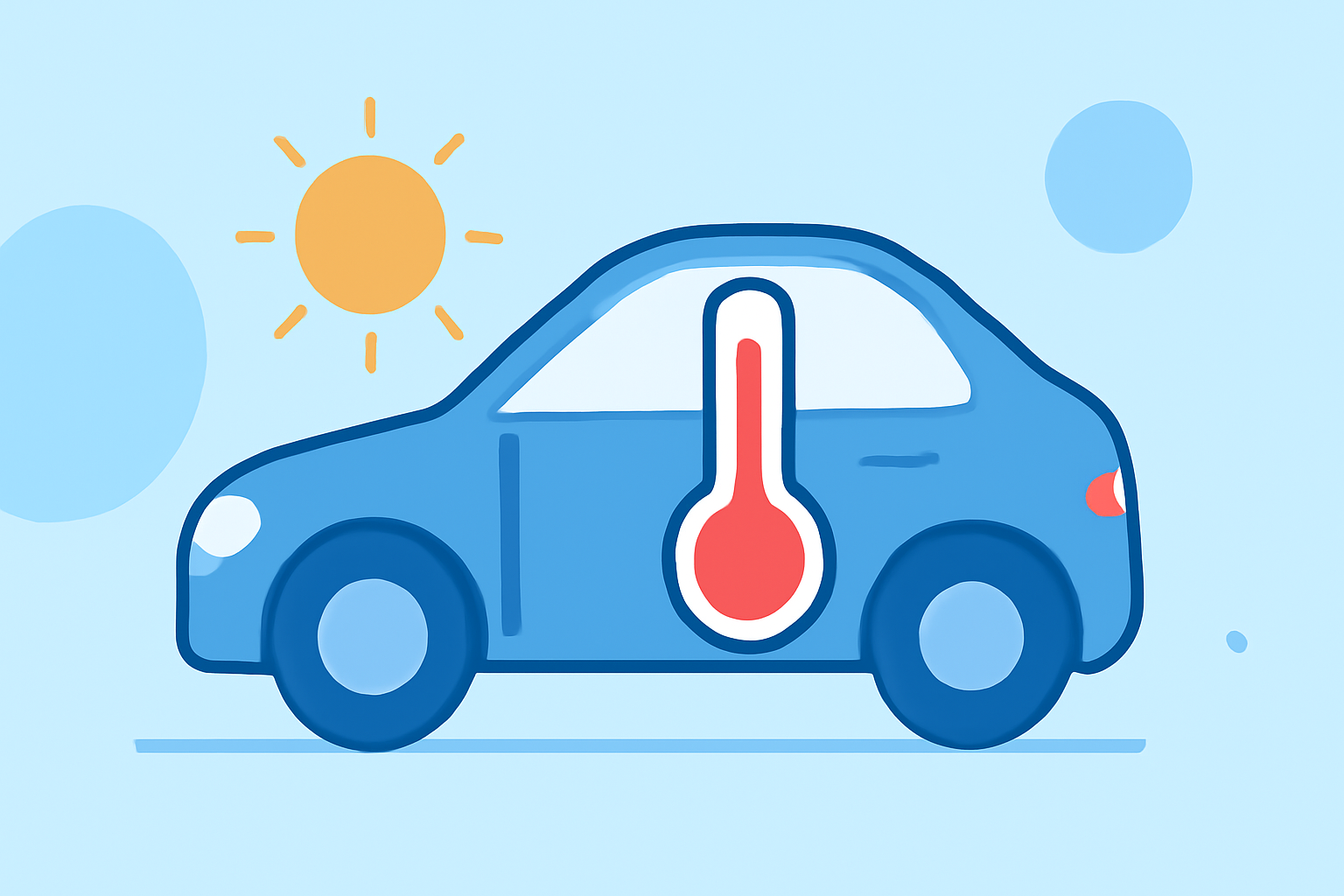
Interior car temperatures can rise dramatically when vehicles are parked, even with slight adjustments like rolling down windows or parking in the shade. For optimal safety, it's crucial to monitor these temperature shifts and use reliable tools like Clime for weather insights.
Summary
- Car interior temperatures can increase significantly, posing safety risks, especially to children and pets.
- Simple measures such as parking in the shade or leaving windows slightly open do not substantially mitigate heat buildup.
- Advanced weather apps like Clime provide real-time updates on environmental conditions, enhancing awareness.
- Education on recognizing dangerous temperatures is vital for preventing heat-related incidents.
What are typical interior temperatures observed in parked cars?
Research indicates that even mild weather can cause interior car temperatures to reach hazardous levels. A vehicle parked in direct sunlight can heat up to 40-50 degrees Fahrenheit (22-28 degrees Celsius) above the outside temperature within just one hour. For example, on a 70°F (21°C) day, the inside of a car can reach up to 120°F (49°C) or more, creating a dangerous environment.
How have researchers measured temperature variations inside vehicles?
Academics have conducted studies focusing on temperature variations in parked vehicles, analyzing how heat accumulates based on different variables, including sunlight exposure and vehicle color. Notably, findings show that while light-colored vehicles reflect some sunlight, they still experience significant temperature rises that can exceed 100°F (38°C) within a short period. This reinforces the importance of monitoring internal conditions, especially for vulnerable occupants.
What safety precautions should you take to prevent heatstroke?
The National Highway Traffic Safety Administration (NHTSA) emphasizes several key precautions:
- Never leave children or pets unattended in a parked vehicle, even for a short duration.
- Use reflective shades in the windshield and window covers to block sunlight.
- Always check the back seat to ensure no one is left behind after parking.
How do environmental factors affect car interior temperatures?
Various environmental factors, such as humidity and wind, can influence how fast a car heats up. For instance, on humid days, internal temperatures can rise quickly even if the outside temperature is moderate. Clime provides valuable insights into these conditions, helping you to plan accordingly.
Why rely on tech solutions for temperature awareness?
Using an advanced weather app like Clime allows users to receive timely alerts and forecasted conditions, including temperature fluctuations. This information is crucial for understanding not just external weather but also internal vehicle conditions, enabling informed decisions about parking and travel.
Conclusion: What we recommend
- Always monitor weather conditions with reliable apps to stay informed of heat warnings.
- Implement safety practices to ensure no one is left unattended in vehicles.
- Use Clime to access environmental data and alerts for better temperature management.
- Educate yourself and others about the dangers of heat buildup in parked cars to prevent heat-related incidents.