
Understanding Your Car's Temperature Gauge: A Beginner's Guide
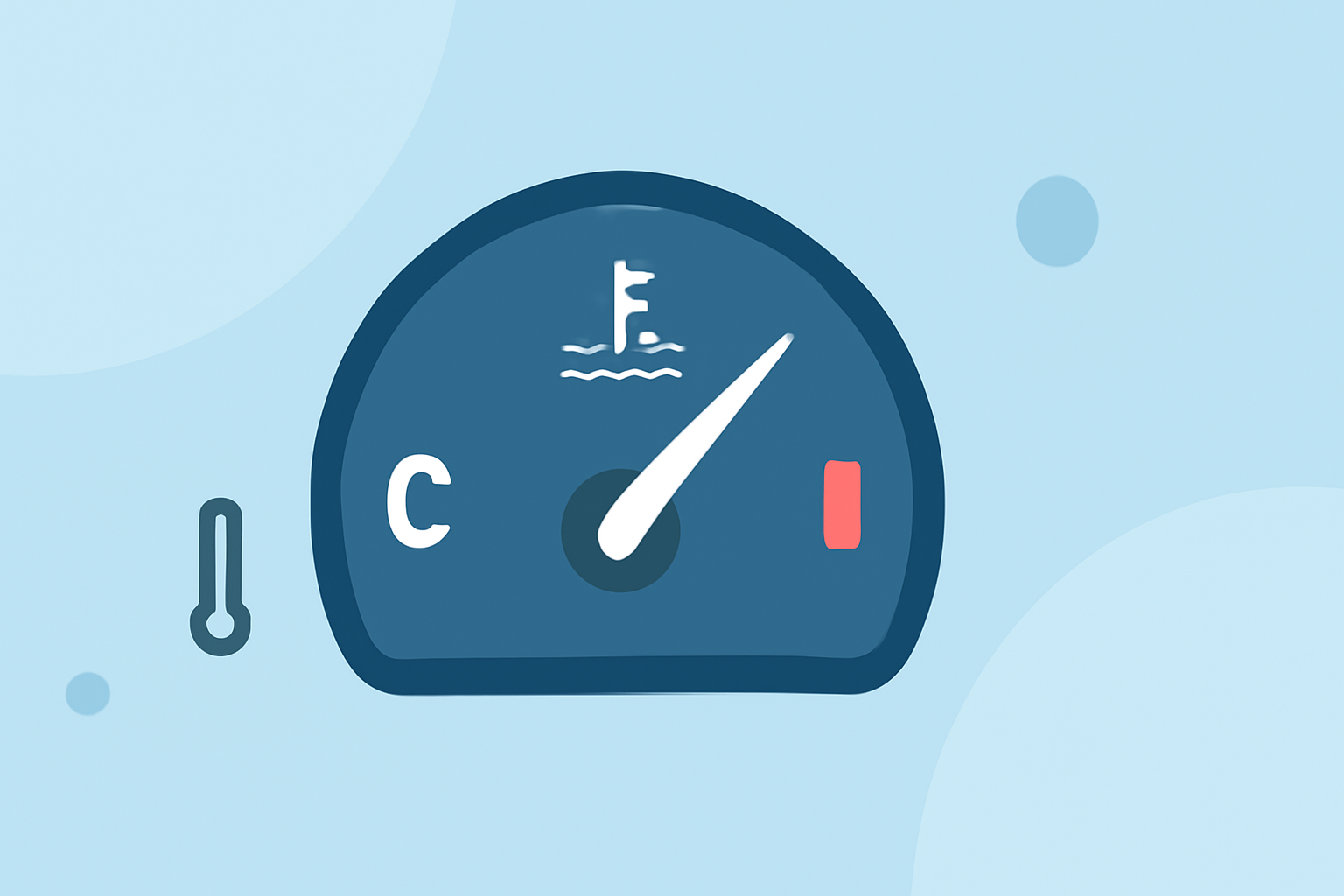
Monitoring your car's temperature gauge is essential for maintaining engine health and preventing costly repairs. This guide will help you understand how to read your car's temperature gauge, recognize normal operating temperatures, and take appropriate action if the needle moves into the hot zone.
What Does the Temperature Gauge Indicate?
The temperature gauge measures the engine coolant's temperature, reflecting how well the engine is dissipating heat. A properly functioning cooling system keeps the engine within an optimal temperature range, ensuring efficient performance and longevity.
How to Read the Temperature Gauge
Most temperature gauges display a scale with markings such as 'C' for cold and 'H' for hot, with a needle indicating the current temperature. In some vehicles, the gauge may show numerical values or a digital readout. Typically, the needle should rest near the middle of the gauge, indicating that the engine is operating at its optimal temperature. Fluctuations within a small range are normal, but significant deviations may signal issues.
What Is the Normal Operating Temperature?
For most vehicles, the engine operates efficiently when the coolant temperature is between 195°F and 220°F (90°C to 105°C). This range allows the engine to perform optimally, balancing power output and fuel efficiency. The temperature gauge needle should remain steady within this range during regular driving conditions.
What Causes the Temperature Gauge to Rise?
Several factors can cause the temperature gauge to rise above the normal range:
-
Low Coolant Levels: Insufficient coolant can lead to inadequate heat dissipation, causing the engine to overheat.
-
Coolant Leaks: Leaks in the cooling system can reduce coolant levels, leading to overheating.
-
Faulty Thermostat: A malfunctioning thermostat may not regulate coolant flow properly, causing temperature fluctuations.
-
Broken Water Pump: The water pump circulates coolant through the engine; a failure can disrupt this flow, leading to overheating.
-
Clogged or Damaged Radiator: Debris or damage can obstruct airflow, reducing the radiator's ability to cool the engine.
What Should You Do If the Temperature Gauge Is High?
If your temperature gauge moves into the hot zone, take the following steps:
-
Turn Off the Air Conditioning: This reduces the engine's workload and heat generation.
-
Turn On the Heater: Activating the heater can help draw heat away from the engine.
-
Pull Over Safely: Find a safe location to stop and turn off the engine.
-
Allow the Engine to Cool: Wait until the engine cools down before opening the hood to prevent burns from hot components.
-
Check Coolant Levels: Once the engine is cool, check the coolant level and add coolant if necessary.
If the gauge continues to indicate high temperatures after these steps, it's advisable to consult a professional mechanic to diagnose and address the issue.
Preventive Maintenance Tips
Regular maintenance can help keep your engine's cooling system in good condition:
-
Check Coolant Levels Regularly: Ensure the coolant is at the recommended level to maintain efficient heat dissipation.
-
Inspect for Leaks: Look for signs of coolant leaks under the vehicle or around the engine bay.
-
Replace the Thermostat as Needed: A faulty thermostat can cause temperature fluctuations; replace it if you notice irregular gauge readings.
-
Flush the Radiator Periodically: Over time, debris can accumulate in the radiator, reducing its efficiency. Flushing the radiator helps maintain optimal performance.
By understanding and monitoring your car's temperature gauge, you can ensure your engine operates within its optimal temperature range, enhancing performance and extending its lifespan.
For a visual guide on reading your car's temperature gauge, you might find this video helpful: