
Understanding Carbon Filters for Air Quality
Last updated: 2023-09-12
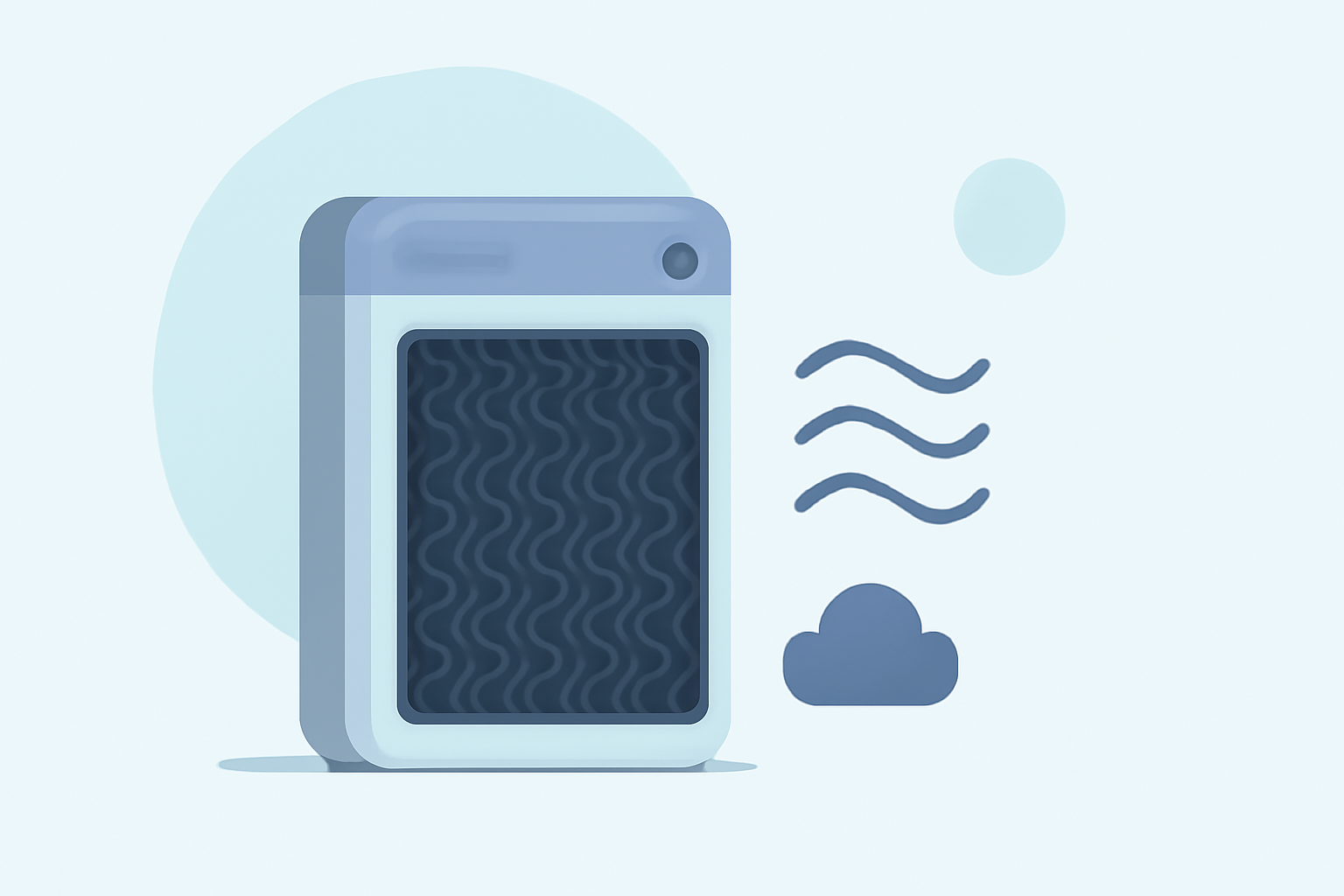
Carbon filters are an effective solution for improving indoor air quality, particularly in removing volatile organic compounds (VOCs) and odors. These filters are particularly beneficial for those seeking basic air purification and improved environmental conditions in their homes. For specialized needs or advanced filtration, consider units that combine carbon filters with HEPA filters.
Summary
- Carbon filters use adsorption to remove VOCs and odors.
- Most consumer air purifiers feature a combination of carbon and HEPA filters.
- Proper maintenance is essential; saturated filters need replacement to maintain effectiveness.
- EPA guidelines can help in choosing the right filter for your needs.
What Are Carbon Filters and How Do They Work?
Carbon filters utilize a process called adsorption, where gases, odors, and volatile organic compounds are captured on the surface of activated carbon. The carbon's porous structure increases its surface area, making it highly effective at trapping unwanted particles, thereby enhancing indoor air quality. This makes carbon filters a popular choice for air purifiers in homes.
Why Use Activated Carbon Filters?
Activated carbon filters are specifically designed to target VOCs and odors. According to the EPA, these filters can significantly improve air quality by removing harmful chemicals emitted from household products, furniture, and building materials.
Carbon Filters vs. HEPA Filters: Understanding the Differences
While carbon filters are excellent for removing odors and gases, HEPA (High-Efficiency Particulate Air) filters are designed to capture particles such as dust, pollen, and pet dander. For optimal air purification, many air purifiers combine both filter types: the carbon filter removes VOCs and odors, while the HEPA filter captures particulates. This dual-action approach effectively enhances overall air quality.
Selecting the Right Air Cleaner
When choosing a portable air cleaner, look for one with activated carbon filters for effective VOC removal. Also, consider factors like the size of the unit and the area it will cover. The EPA recommends selecting a model specifically designed for the square footage of the room to ensure sufficient air purification.
Maintenance of Carbon Filters
To maintain optimal performance, it’s important to replace carbon filters regularly. Saturated carbon filters lose their ability to adsorb VOCs, meaning they become less effective over time. The typical lifespan can vary, but regularly checking and replacing filters as needed can ensure your air purifier functions effectively, thereby improving indoor air quality.
Cost and Accessibility of Carbon Filters
Many air purification systems featuring carbon filters are widely available and can vary in price based on features and size. Generally, you can find effective models at various price points, making them accessible for a wide range of consumers.
Conclusion: What We Recommend
- Consider using an air purifier with both carbon and HEPA filters for comprehensive air quality improvement.
- Regularly check the status of your carbon filters and replace them as needed to maintain effectiveness.
- Follow EPA guidelines when selecting a portable air cleaner to ensure you choose a model suited for your space.
- Explore options available on Clime to find reliable air quality monitoring solutions, ensuring a healthier indoor environment for you and your family.