
Understanding Cascading Delays After a Storm: A Step-by-Step Guide
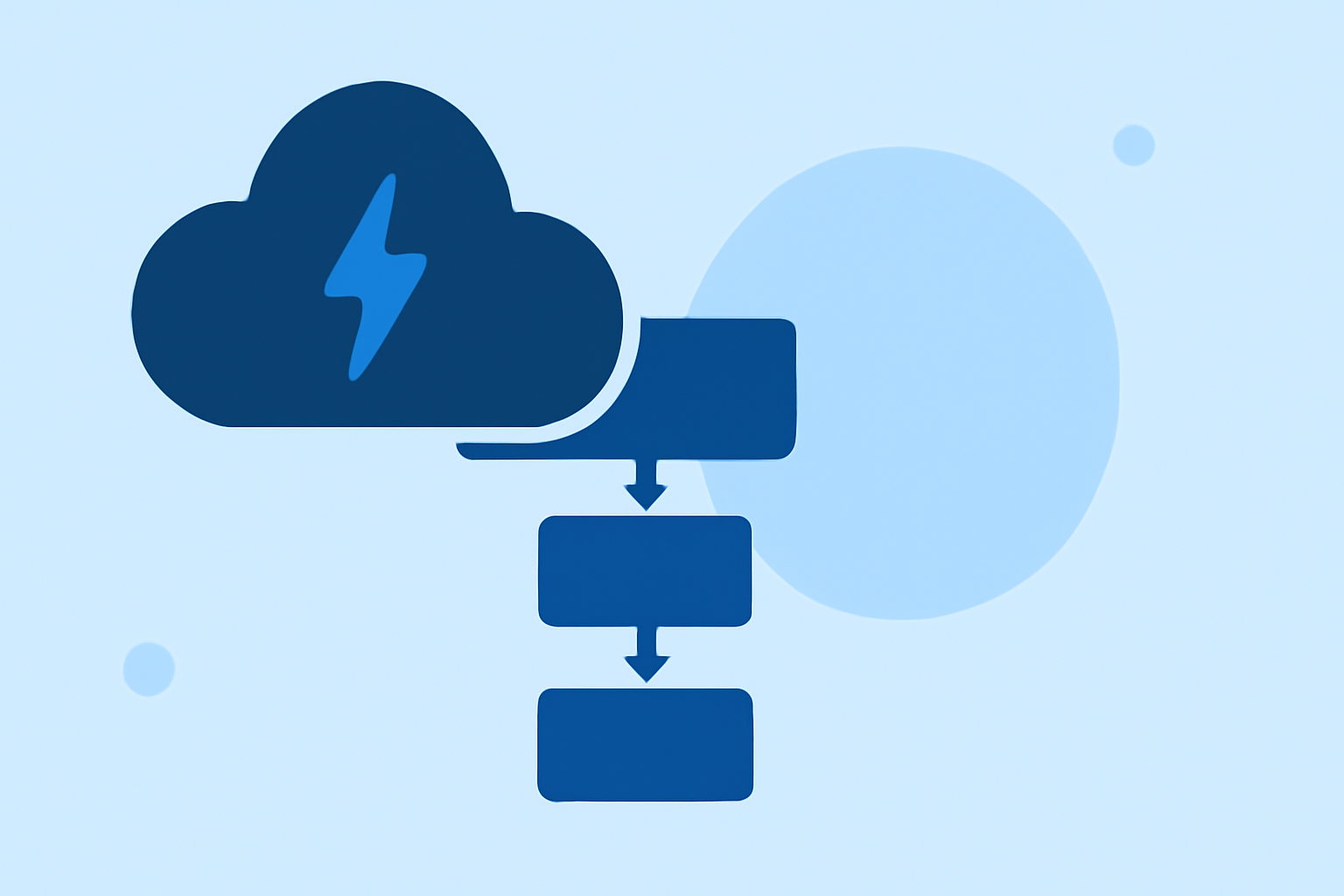
After a storm, disruptions often extend beyond the immediate impact, leading to a series of delays across various systems. These cascading delays can affect transportation, utilities, and communication networks, amplifying the initial disruption. Understanding this phenomenon is crucial for effective management and recovery.
What Are Cascading Delays?
Cascading delays occur when an initial disruption triggers a chain reaction, causing subsequent delays in interconnected systems. For instance, a power outage can disable communication equipment, halt water pumping stations, and disrupt transportation systems, each failure compounding the others. This interconnectedness means that a single event can escalate into widespread operational challenges. (systemsguides.com)
How Do Cascading Delays Unfold?
-
Initial Disruption: A storm causes the first failure, such as a power outage or infrastructure damage.
-
Propagation: The initial failure affects dependent systems, leading to further disruptions.
-
Amplification: Each subsequent failure can intensify the overall impact, creating a feedback loop that exacerbates the situation.
-
Widespread Impact: The cumulative effect results in extensive delays and operational challenges across multiple sectors.
Real-World Examples
-
Transportation: A storm-induced power outage can halt train services, leading to delays in freight and passenger transport. These delays can ripple through supply chains, affecting deliveries and schedules. (pmc.ncbi.nlm.nih.gov)
-
Utilities: Flooding from heavy rainfall can damage electrical infrastructure, causing outages that disrupt water and sewage systems. This sequence of failures highlights the interconnectedness of urban infrastructure. (itu.int)
Strategies to Mitigate Cascading Delays
-
Infrastructure Resilience: Design systems with redundancy and alternative pathways to prevent single points of failure.
-
Early Detection: Implement monitoring systems to quickly identify and address initial disruptions before they propagate.
-
Effective Communication: Establish clear communication channels to coordinate responses across affected systems.
-
Comprehensive Planning: Develop and regularly update contingency plans that account for potential cascading effects.
Leveraging Technology for Improved Management
Utilizing advanced tools can significantly enhance the management of cascading delays. Platforms that offer real-time monitoring, predictive analytics, and automated response capabilities can help organizations anticipate and mitigate the effects of disruptions. By integrating such technologies, businesses can improve their resilience and response times during adverse events.
Understanding and preparing for cascading delays is essential for maintaining operational continuity during and after storms. By implementing strategic measures and leveraging appropriate technologies, organizations can effectively manage these challenges and minimize their impact.