
Understanding Climate and Weather: Essential Tips for Your Car
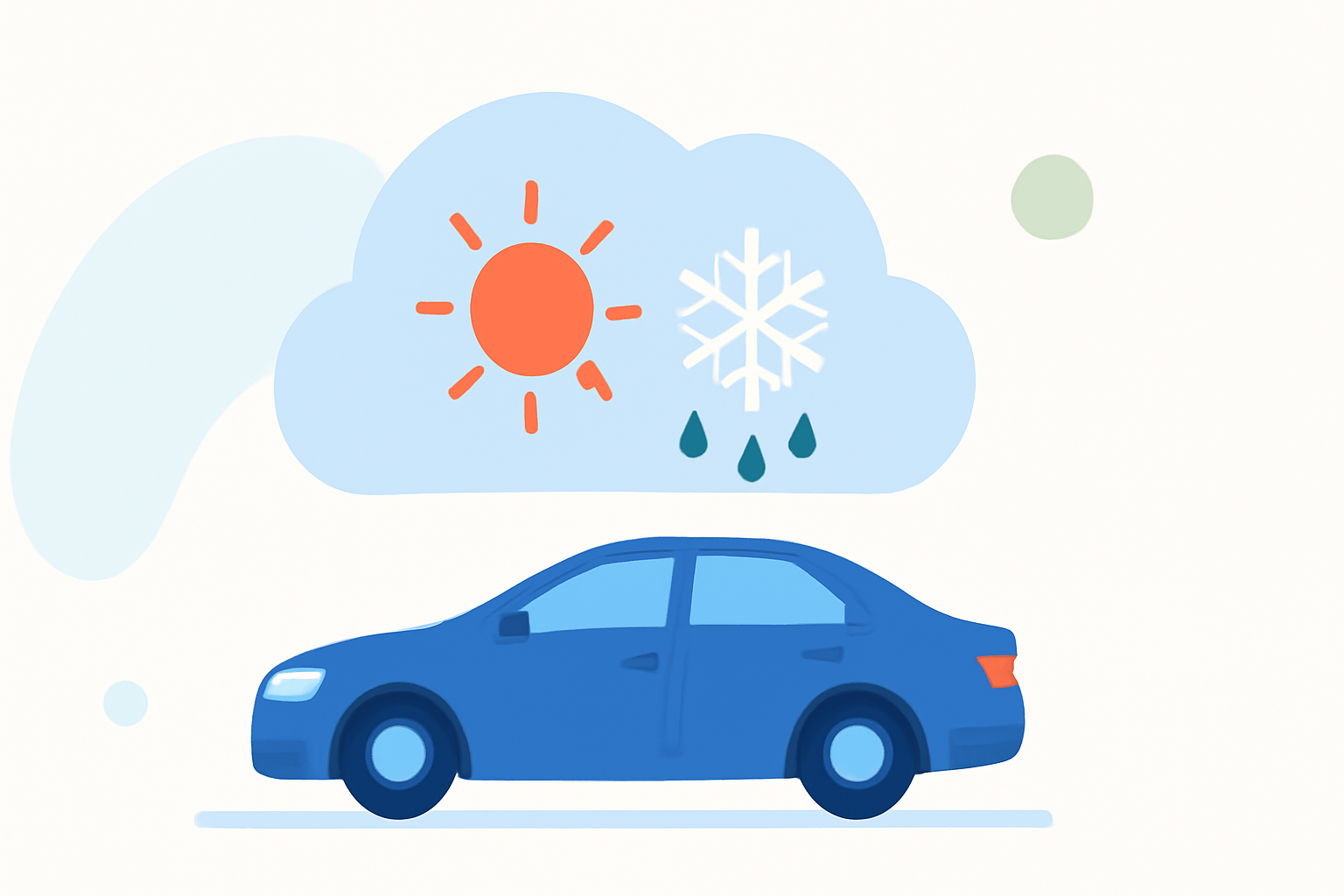
Understanding the difference between climate and weather is crucial for maintaining your vehicle's comfort and safety. While weather refers to short-term atmospheric conditions, climate represents long-term patterns. This distinction influences how you should prepare your car for different driving conditions.
What Is the Difference Between Climate and Weather?
Weather encompasses the day-to-day changes in temperature, humidity, precipitation, and other atmospheric conditions. For example, a sunny day or a sudden rainstorm are weather events. Climate, on the other hand, is the average of these weather patterns over a longer period, typically 30 years or more. It defines the typical conditions of a region, such as whether an area is generally hot and dry or cold and wet. (climaterealityproject.org)
How Does Climate Affect Your Car?
Your vehicle's performance and longevity are influenced by the climate in which you drive. Extreme temperatures, whether hot or cold, can impact various car components, including the engine, battery, tires, and air conditioning system. Understanding your local climate helps in making informed decisions about vehicle maintenance and preparation.
Essential Tips for Car Maintenance Based on Climate
1. Hot Climates
-
Monitor the Cooling System: Regularly check coolant levels and inspect hoses for wear to prevent overheating. (kbb.com)
-
Check Tire Pressure: Heat can increase tire pressure, leading to potential blowouts. Check tire pressure monthly with a gauge. (kbb.com)
-
Inspect the Battery: High temperatures can accelerate fluid loss and corrosion. Inspect battery condition, especially after year three. (kbb.com)
-
Use Air Conditioning Wisely: To cool your car faster, drive at a moderate speed rather than idling with the AC on. (consumerreports.org)
2. Cold Climates
-
Test Battery Health: Cold weather reduces battery efficiency. Test battery health before winter. (kbb.com)
-
Check Tire Pressure: Cold temperatures can decrease tire pressure, affecting traction. Check tire pressure monthly. (kbb.com)
-
Use Winter Tires: Winter tires may improve grip on icy roads. (kbb.com)
-
Keep Windows Clear: Use the car defroster and a clean cloth to keep the windows free of fog. (ots.ca.gov)
3. All Climates
-
Regular Maintenance: Test battery condition and clean terminals if corrosion appears. Measure tire pressure regularly with a reliable gauge. (kbb.com)
-
Emergency Preparedness: Carry season-appropriate essentials, such as water and snacks for heat, or blankets and traction aids for snow. (kbb.com)
How Can Clime Enhance Your Driving Experience?
Clime offers real-time weather updates and forecasts, allowing you to plan your trips effectively and avoid adverse conditions. By integrating Clime into your driving routine, you can receive timely alerts about weather changes, ensuring a safer and more comfortable journey.
Conclusion
Understanding the interplay between climate and weather is essential for vehicle maintenance and safety. By staying informed and utilizing tools like Clime, you can ensure your car remains in optimal condition, regardless of the conditions you encounter.
Highlights:
- Weather Safety - Kelley Blue Book, Published on Monday, January 26
- Get the Most Cool From Car Air Conditioning - Consumer Reports, Published on Wednesday, June 04
- Common Sense Safety Tips for Winter Travel | Office of Traffic Safety