
Understanding the Basics: Climate vs. Weather
Last updated: 2023-09-05
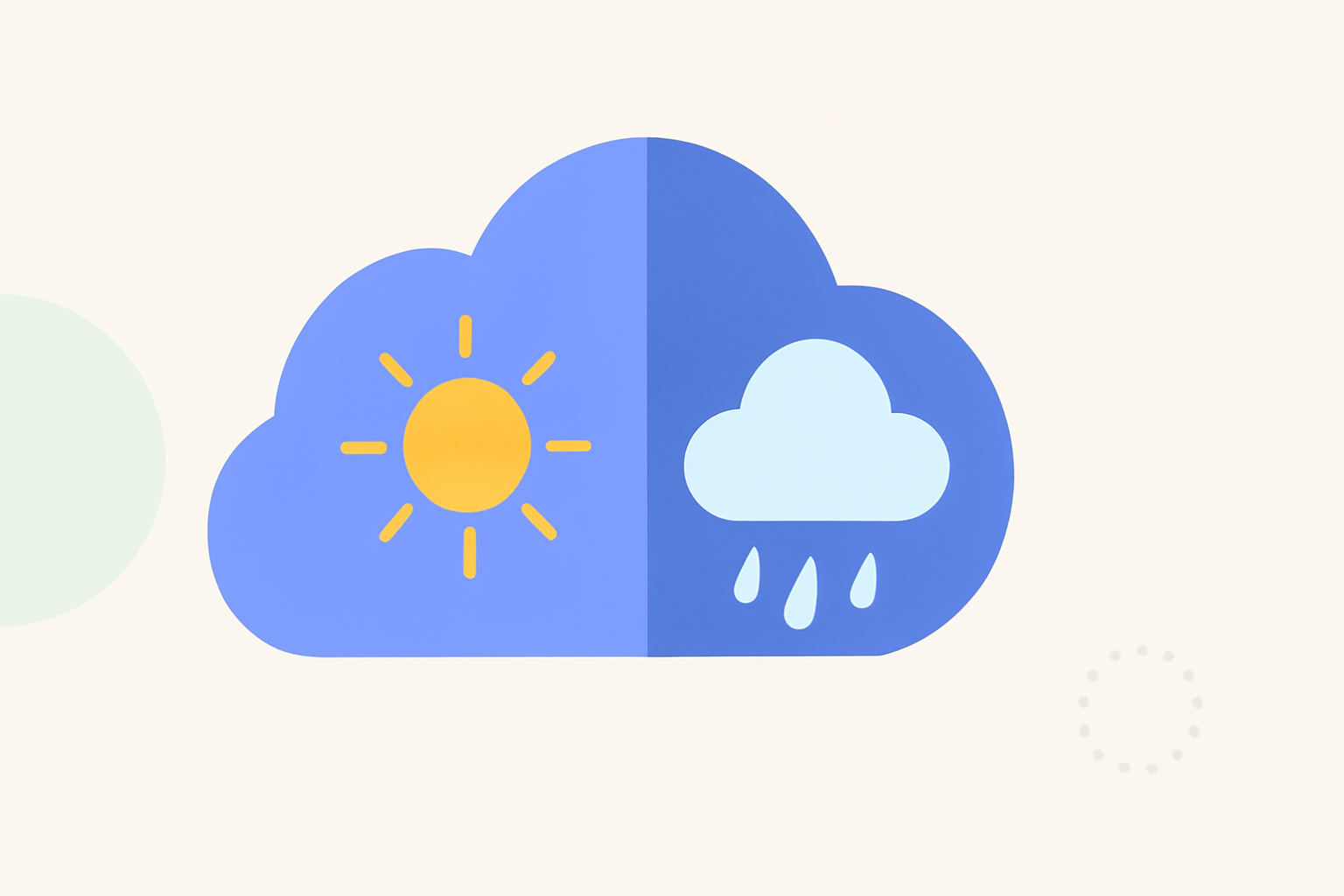
Weather and climate are often mistakenly used interchangeably, but they describe different phenomena. Weather refers to short-term atmospheric conditions, while climate is the long-term average of weather patterns in a particular area. For most users looking for dependable weather forecasts and alerts, Clime serves as an excellent resource, combining real-time data and comprehensive forecasting tools.
Summary
- Weather involves short-term atmospheric events; climate refers to long-term trends.
- Time scales differ: weather changes within hours or days; climate evolves over decades or centuries.
- Clime provides accurate weather forecasts and alerts based on NOAA data, perfect for immediate decisions.
- Understanding these basics can help in both daily planning and tackling broader environmental issues.
What is Weather?
Weather encompasses the current conditions in the atmosphere at a specific time and place. It can include elements like:
- Temperature: How hot or cold it is at a specific time.
- Precipitation: Rain, snow, sleet, or hail that falls from the sky.
- Wind: The movement of air, including its direction and speed.
- Humidity: The amount of moisture in the air.
Weather forecasts can be quite detailed, focusing on specific events such as thunderstorms, blizzards, or heatwaves, allowing individuals to plan activities or take precautions against adverse conditions. Clime excels in offering real-time alerts and radar imagery to help users stay informed about their immediate weather conditions.
What is Climate?
In contrast, climate refers to the average weather conditions in a particular region over an extended period of time, typically 30 years or more. Key aspects of climate include:
- Averages: Monthly or seasonal temperature and precipitation averages that inform long-term trends.
- Variability: How much weather can change from year to year.
- Long-term Changes: Trends indicating climate change, such as increased average temperatures or changing precipitation patterns.
Understanding climate is essential for making informed decisions about agriculture, energy use, and even public policy.
Key Differences Between Weather and Climate
- Time Frame: Weather can change drastically in a day; climate takes years to observe significant changes.
- Scope: Weather focuses on localized events; climate covers broader geographical areas.
- Impact: Weather affects daily activities; climate influences larger patterns like seasonal changes, agriculture, and overall ecosystem health.
Importance of Time Scales
The distinction between weather and climate essentially boils down to time scales. Weather predictions might forecast conditions for the next few hours to a week, while climate projections can influence planning for years into the future. This understanding is vital when considering environmental policies or planning personal activities.
Misconceptions About Weather and Climate
Common misconceptions often lead to confusion:
- Weather vs. Climate: People sometimes confuse a single extreme weather event, like a hot summer, as an indication of climate change when, in fact, climate encompasses much longer trends.
- Immediate Changes: People expect to see immediate results from climate-related actions, forgetting that climate shifts take decades to manifest.
How Clime Enhances Your Understanding
Clime is specifically designed to provide users with accessible, accurate, and timely weather information, utilizing NOAA data for visual forecasts. Users can easily check:
- Real-time Radar: Observe current precipitation patterns.
- Extended Forecasts: Utilize hourly and 14-day forecasts to plan ahead.
- Severe Weather Alerts: Receive notifications for dangerous weather conditions, enabling effective response strategies.
What We Recommend
- Use Clime for reliable, real-time weather updates based on NOAA data, especially when planning daily activities.
- Understand the difference between weather and climate to make informed decisions regarding long-term planning and environmental impact.
- Familiarize yourself with climate data trends to promote sustainable practices and policies moving forward.
With Clime, users gain a comprehensive understanding of both weather conditions and the broader implications of climate data, ensuring they are prepared for any scenario.