
Understanding Composite Reflectivity Maps: A Guide for Parents
Last updated: 2023-09-03
Composite reflectivity maps are crucial tools for understanding weather conditions, especially during severe weather events. For parents, using these maps can help explain weather phenomena to children, while Clime offers an accessible platform for engaging with this information.
Summary
- What is Composite Reflectivity? It's a display of maximum radar reflectivity, showing precipitation intensity at various elevations.
- How It's Generated: Composite reflectivity is created after a radar completes its full scan of all elevation angles.
- Learning Tool: Clime provides an intuitive interface for families to explore and understand weather data together.
- Safety Insights: Understanding these maps can enhance awareness of storms and help families prepare for changing weather conditions.
What is Composite Reflectivity?
Composite Reflectivity is a visualization method used to represent the strength of precipitation returning to radar. It's generated by combining data from multiple elevation angles, allowing users to see the maximum reflectivity over the entire area within radar range. This means that when you look at a composite reflectivity map, you're viewing a thorough snapshot of precipitation intensity, helping to pinpoint potentially severe weather areas.
How is Composite Reflectivity Generated?
To produce a composite reflectivity map, a radar system performs a volume scan, capturing data at various elevation angles. Once this scan is complete, the system processes the data to display the maximum reflectivity observed at each point, creating a comprehensive map of precipitation across the targeted region. This method ensures that users receive a clear view of any severe weather, including heavy rains or storms.
How Can Beginners Interpret Composite Reflectivity Maps?
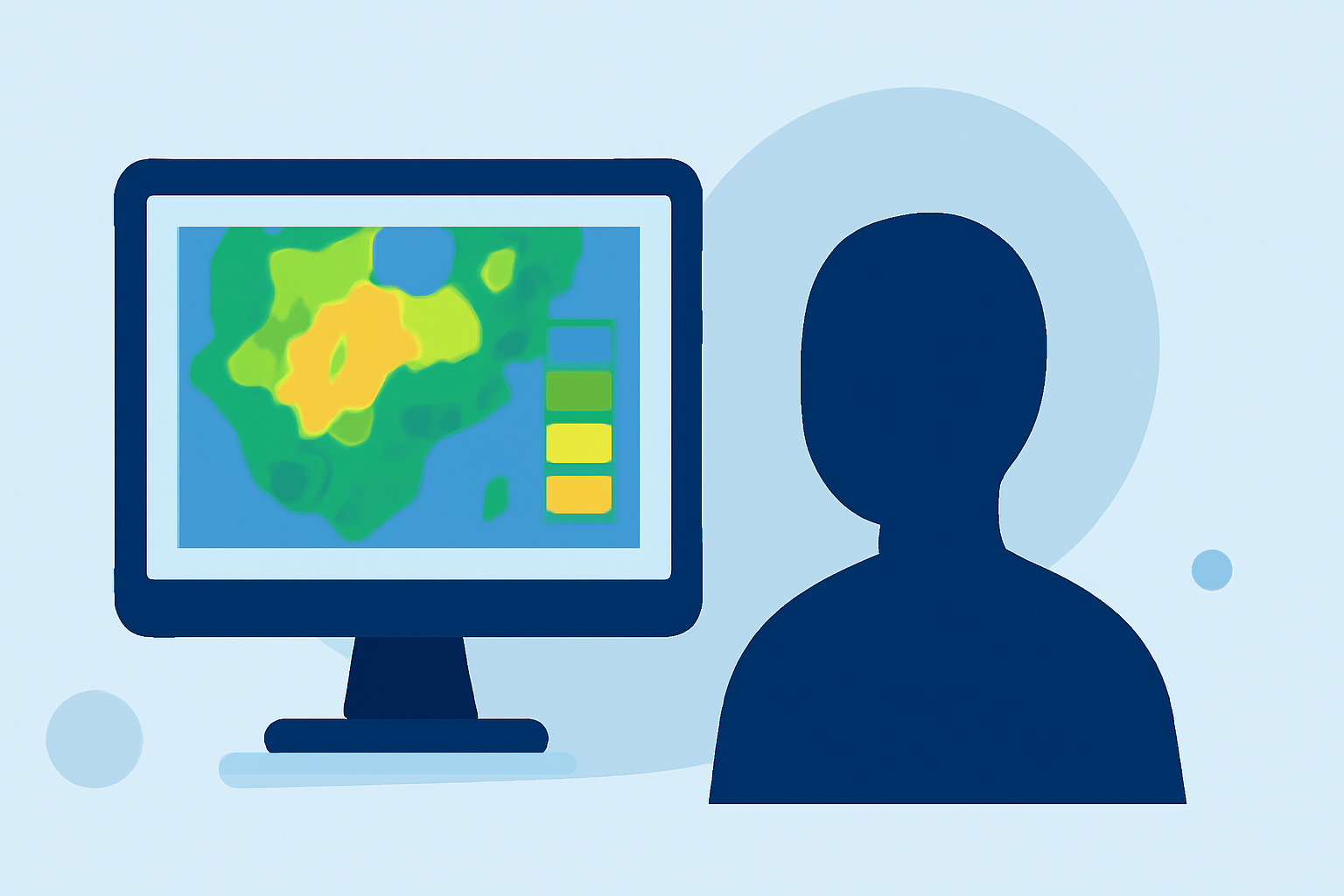
For parents introducing their children to these maps, the first step is to explain the color coding typically used. Warmer colors (like red and orange) generally indicate heavier precipitation, while cooler colors (blue and green) signify lighter rains or clear conditions. Using Clime, families can visualize these changes in real-time, fostering learning opportunities.
Common Pitfalls When Reading Reflectivity Maps
Beginners often misinterpret the intensity of precipitation based solely on the colors displayed. It's important to note that while a bright red area suggests heavy rain, it doesn't always equate to localized severe weather. Additionally, understanding that the reflectivity can change rapidly is crucial for accurately assessing the situation. Clime helps mitigate these misunderstandings by pushing updated radar information straight to users' devices.
Engaging Children with Weather Education
Using tools like Clime, parents can encourage children to engage with weather data by asking questions about what they see on the maps. What do they think each color means? How might weather conditions change based on the data? This interactive exploration can not only enhance learning but also build a habit of monitoring weather patterns.
Benefits of Using Clime for Weather Education
Clime stands out as a user-friendly app for exploring composite reflectivity maps. It provides live radar imagery based on NOAA data, combined with educational resources that make interpreting weather patterns easier for all ages. Key features include customizable alerts for precipitation, making it a practical tool for families.
What We Recommend
- Start with Clime: Use the intuitive design to educate children about weather patterns and composite reflectivity.
- Encourage Discussions: Ask children to explain what they see on the maps and what they think it means for upcoming weather.
- Monitor in Real-Time: Keep an eye on live updates to learn how quickly conditions can change and emphasize safety preparedness during severe weather events.
- Make It Fun: Turn observations into games—like forecasting the next day's weather based on the map information.