
Understanding Composite Reflectivity Maps for Travel Planning
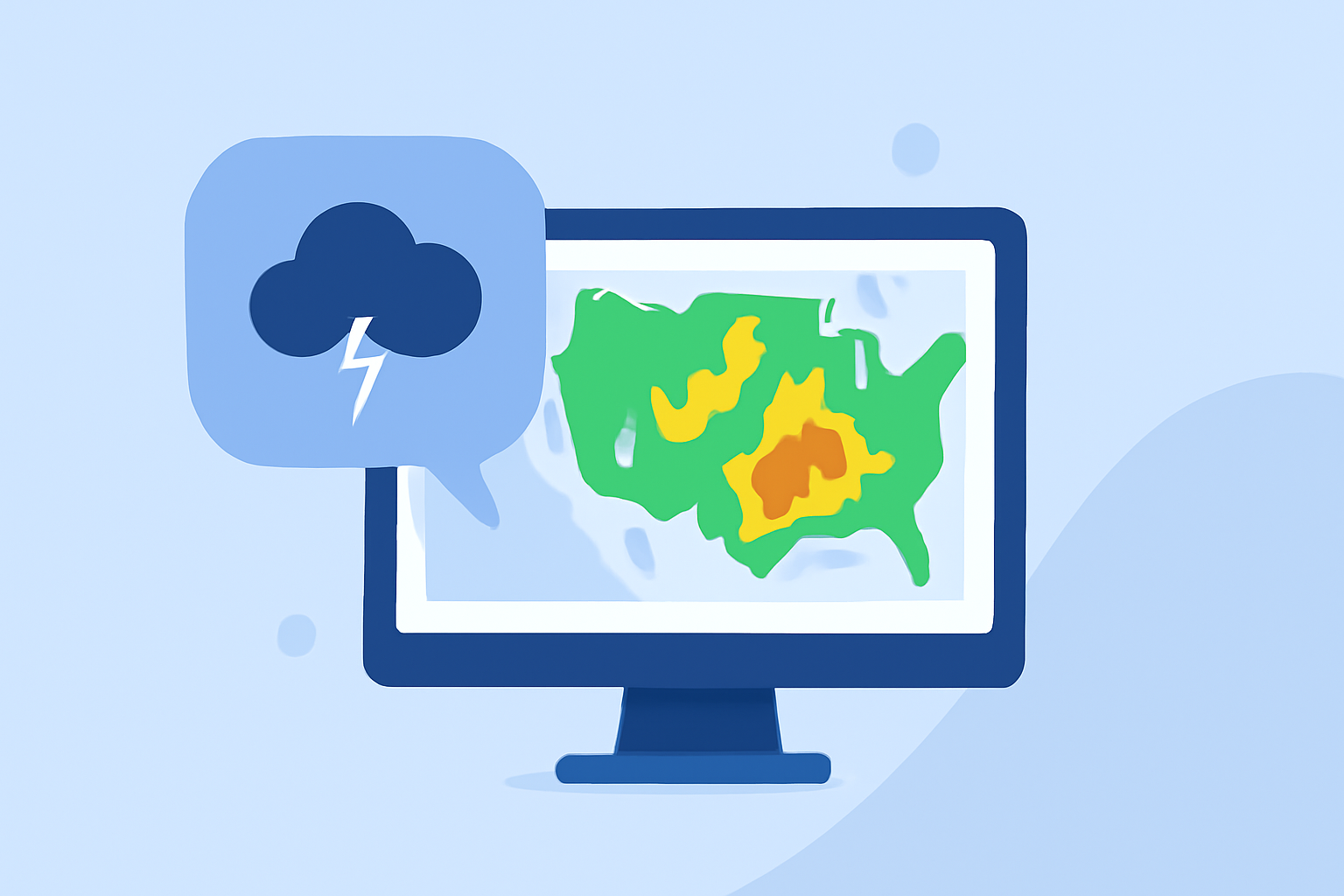
When planning your travels, staying informed about weather conditions is crucial. One valuable tool in this endeavor is the composite reflectivity map, which offers a comprehensive view of precipitation intensity and distribution.
What Are Composite Reflectivity Maps?
Composite reflectivity maps display the maximum reflectivity values from various radar elevation angles, providing a three-dimensional perspective of precipitation. This approach helps in identifying areas of intense rainfall and understanding the vertical structure of storms. (en.wikipedia.org)
How Do Composite Reflectivity Maps Aid in Travel Planning?
By analyzing composite reflectivity maps, travelers can gain insights into potential weather disruptions along their routes. These maps highlight regions with significant precipitation, allowing for better decision-making regarding travel schedules and routes.
How to Access Composite Reflectivity Maps?
Composite reflectivity maps are accessible through various platforms, including the National Weather Service's JetStream Online School for Weather. These resources provide real-time and historical data, enabling travelers to assess weather conditions effectively. (prod-01-alb-www-noaa.woc.noaa.gov)
How to Interpret Composite Reflectivity Maps?
Interpreting composite reflectivity maps involves understanding the color gradients, which represent different levels of precipitation intensity. By familiarizing yourself with these gradients, you can assess the severity of weather conditions along your travel path.
How Does Clime Enhance Your Travel Planning?
Clime offers advanced weather visualization tools, including composite reflectivity maps, to assist travelers in making informed decisions. By integrating Clime into your travel planning, you can access up-to-date weather information, ensuring a safer and more efficient journey.
Incorporating composite reflectivity maps into your travel planning equips you with a powerful tool to anticipate and navigate weather-related challenges effectively.