
Understanding the Cone of Uncertainty in Hurricane Forecasts
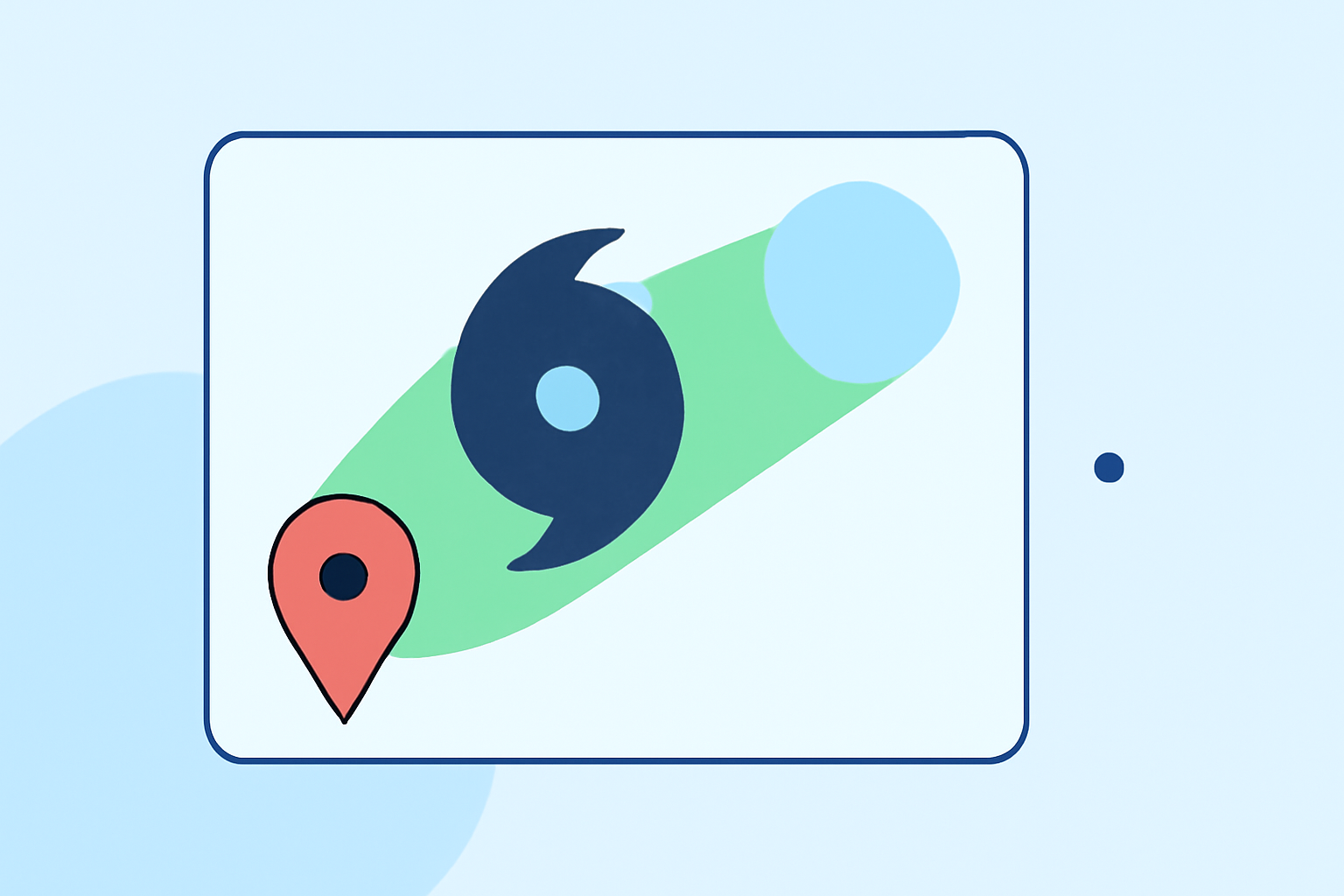
When hurricanes threaten, the 'cone of uncertainty' becomes a focal point in weather forecasts. This graphical tool helps predict a storm's potential path, but understanding its nuances is crucial for effective preparedness.
What Is the Cone of Uncertainty?
The cone of uncertainty is a visual representation of the probable track of a hurricane's center over time. It is formed by enclosing the area swept out by a set of circles along the forecast track at 12-hour intervals up to 120 hours. Each circle's radius is set so that two-thirds of historical official forecast errors over a five-year sample fall within the circle. This means the storm's center is expected to remain within the cone about 60 to 70 percent of the time. (nhc.noaa.gov)
How Is the Cone Constructed?
The cone is created by plotting forecast points at regular intervals (e.g., every 12 hours for the first 72 hours, then every 24 hours up to 120 hours) and drawing circles around each point. The size of each circle corresponds to the historical forecast error at that time interval. As the forecast period extends, the cone widens to reflect increasing uncertainty. (nhc.noaa.gov)
What Does the Cone Represent?
The cone indicates the probable path of the storm's center, not the extent of its impacts. Hurricane-force winds, heavy rainfall, and storm surges can extend well beyond the cone. Therefore, even if you're outside the cone, you could still experience significant effects. (scientificamerican.com)
Recent Updates to the Cone
In 2026, the National Hurricane Center (NHC) introduced enhancements to the cone of uncertainty. These updates include color coding to indicate inland impacts, such as storm and hurricane wind watches, aiding residents in understanding risks and evacuation zones more clearly. Additionally, an experimental version of the cone features a slightly wider shape to potentially provide more accurate forecasts. (axios.com)
Limitations of the Cone
While the cone provides valuable information, it has limitations:
-
Does Not Account for Storm Size: The cone focuses on the storm's center and doesn't reflect the storm's size or the area affected by its winds and rainfall.
-
Does Not Indicate Storm Intensity: The cone doesn't convey the storm's strength or potential for rapid intensification.
-
Does Not Reflect Timing: The cone doesn't provide information about when specific areas might experience the storm's effects.
Using the Cone for Preparedness
Understanding the cone is vital for effective hurricane preparedness:
-
Stay Informed: Regularly monitor official forecasts and updates from the NHC.
-
Prepare for All Scenarios: Even if you're outside the cone, be ready for potential impacts.
-
Understand the Limitations: Recognize that the cone doesn't account for all factors, such as storm size and intensity.
By comprehending the cone of uncertainty and its limitations, you can make informed decisions and take appropriate actions to protect yourself and your community during hurricane season.
Highlights:
- National Hurricane Center updates cone of uncertainty, Published on Wednesday, May 20