
Understanding De-Icing and Departure Delays: A Comprehensive Guide
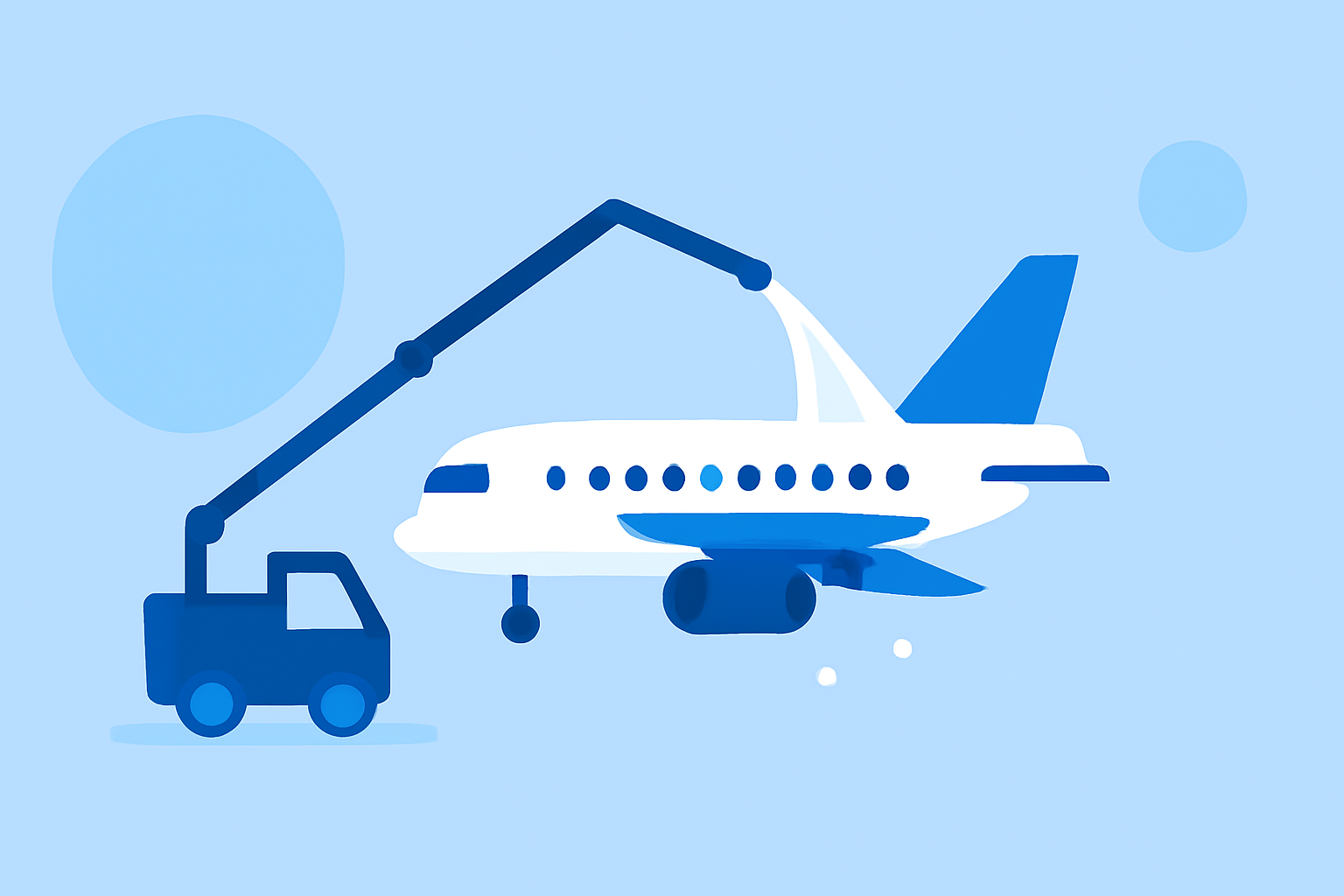
De-icing is a critical process in aviation, ensuring aircraft safety during winter operations. Understanding de-icing procedures and the factors contributing to departure delays is essential for both passengers and aviation professionals.
What Are De-Icing Procedures?
De-icing involves removing ice, snow, or frost from an aircraft's critical surfaces, such as wings, tail, and control surfaces, to maintain optimal performance and safety. Anti-icing, on the other hand, prevents further accumulation of ice during flight. These procedures are vital for ensuring that aircraft can operate safely in winter conditions.
FAA Regulations on De-Icing
The Federal Aviation Administration (FAA) has established regulations to govern de-icing operations:
-
Pre-Takeoff Contamination Check: Before takeoff, pilots must ensure that the aircraft is free from ice, snow, or frost. This is typically achieved through a pre-takeoff contamination check, which must be completed within five minutes prior to beginning takeoff. (law.cornell.edu)
-
Approved De-Icing Programs: Airlines must have an approved de-icing/anti-icing program in place, which includes procedures for de-icing, anti-icing, and holdover times. These programs are designed to ensure that aircraft are adequately protected against ice accumulation during winter operations. (law.cornell.edu)
Factors Contributing to Departure Delays
Several factors can lead to departure delays, especially during winter months:
-
Weather Conditions: Adverse weather, such as heavy snow or freezing rain, can necessitate extensive de-icing procedures, leading to delays.
-
Air Traffic Control (ATC) Constraints: Limited runway availability due to de-icing operations can result in ATC implementing departure delays to manage traffic flow.
-
Airport Operations: Airports may experience congestion during peak de-icing periods, affecting the timely departure of flights.
How Planes Live Can Help Manage Departure Delays
Planes Live offers real-time flight tracking and status updates, providing passengers and aviation professionals with timely information on flight departures, including any delays due to de-icing or other factors. By staying informed, travelers can make better decisions regarding their travel plans.
Conclusion
De-icing is a vital aspect of aviation safety during winter months, governed by strict FAA regulations. Understanding these procedures and the factors contributing to departure delays can help passengers and aviation professionals navigate winter travel more effectively. Utilizing tools like Planes Live can provide valuable insights into flight statuses, aiding in better travel planning.