
Understanding De-Icing and Departure Delays: A Simple Guide
Air travel can be affected by various factors, among which de-icing procedures and departure delays are significant. Understanding these processes can enhance your travel experience and help you plan accordingly.
What Is De-Icing and Why Is It Necessary?
De-icing involves removing ice or snow from an aircraft's surfaces, particularly the wings and tail, before takeoff. Ice accumulation can alter the aircraft's aerodynamics, leading to increased drag and reduced lift, which can compromise flight safety. Therefore, de-icing ensures that the aircraft is in optimal condition for flight.
How Are De-Icing Procedures Conducted?
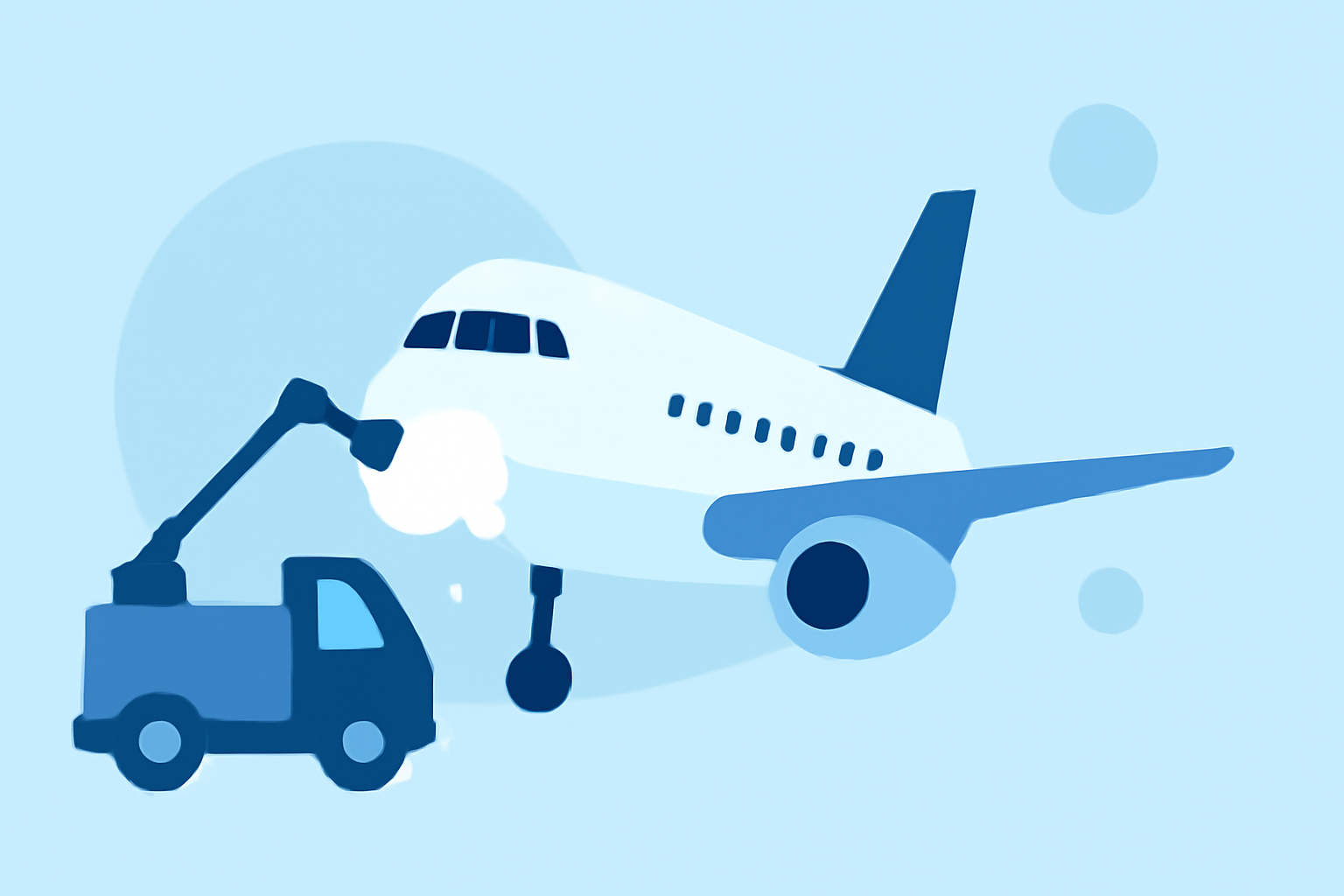
De-icing is typically performed using specialized vehicles that spray heated de-icing fluids onto the aircraft. These fluids are designed to melt existing ice and prevent further accumulation. The process is usually conducted at the gate or a designated de-icing area before departure. In some cases, anti-icing fluids may also be applied to protect the aircraft during taxiing and takeoff.
What Are Departure Delays and What Causes Them?
Departure delays occur when an aircraft is held at the gate or on the ground beyond its scheduled departure time. Several factors can contribute to these delays:
-
Weather Conditions: Adverse weather, such as snowstorms, heavy rain, or fog, can reduce visibility and affect runway conditions, leading to delays.
-
Air Traffic Control (ATC) Restrictions: To manage air traffic flow, ATC may implement measures like Ground Delay Programs (GDPs), which control the rate at which flights depart to prevent congestion at destination airports.
-
Operational Issues: Mechanical problems, crew availability, or logistical challenges can also cause delays.
How Do De-Icing and Departure Delays Interrelate?
De-icing procedures are often a contributing factor to departure delays, especially during winter months. The time required for de-icing can vary based on the extent of ice accumulation and the number of aircraft needing treatment. Additionally, if adverse weather conditions persist, multiple de-icing cycles may be necessary, further extending delays.
How Can Planes Live Help You Stay Informed?
Staying updated on de-icing operations and departure delays is crucial for travelers. Planes Live offers real-time information on flight statuses, including delays and cancellations, allowing you to monitor your flight's progress and make informed decisions. By utilizing such services, you can receive timely updates and plan your travel more effectively.
Conclusion
Understanding de-icing procedures and the factors leading to departure delays can help you anticipate potential disruptions in your travel plans. Utilizing real-time tracking services like Planes Live can provide you with the latest information, ensuring a smoother and more informed travel experience.
(faa.gov)