
Understanding De-Icing and Departure Delays: A Guide for Cautious Flyers
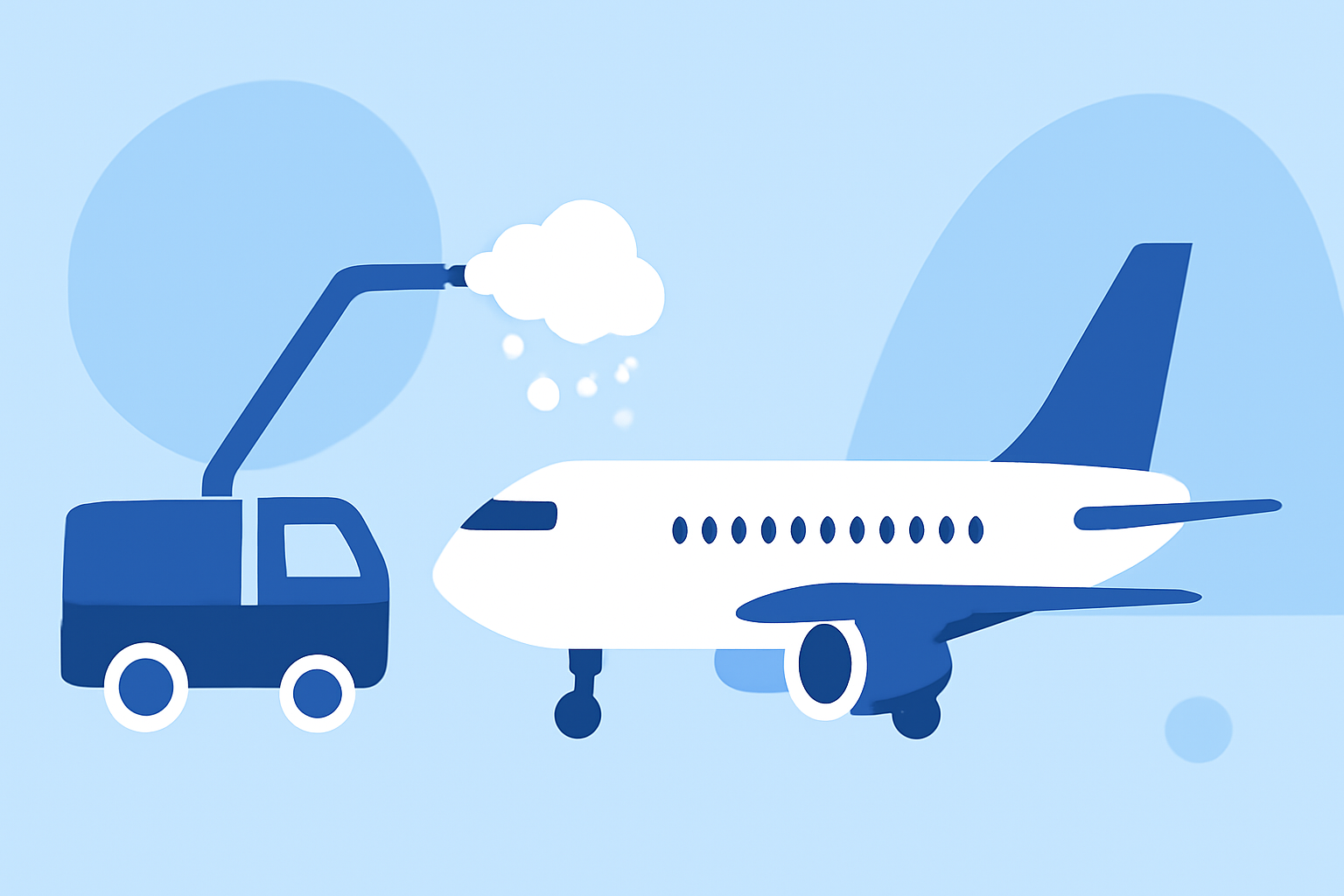
As a cautious flyer, understanding the processes of de-icing and the factors contributing to departure delays can enhance your travel experience and alleviate concerns.
What Is Aircraft De-Icing and Why Is It Necessary?
Aircraft de-icing involves removing ice, snow, or frost from an aircraft's critical surfaces—such as wings, tail, and control surfaces—before takeoff. This is crucial because even a thin layer of ice can significantly impair the aircraft's aerodynamics, leading to reduced lift and increased drag. For instance, a mere 3 to 5 millimeters of ice can decrease lift by up to 30%, especially during takeoff. (milesaviation.com)
How Is De-Icing Performed?
De-icing is typically conducted on the ground using heated fluids, mechanical methods, or specialized equipment. The most common approach involves spraying a heated glycol-based solution over the aircraft's surfaces to melt and remove existing ice. This process is often followed by anti-icing, where a protective layer is applied to prevent new ice from forming during taxiing and takeoff. (pilotinstitute.com)
What Are Holdover Times and How Do They Affect Departure Delays?
After de-icing and anti-icing, the aircraft is protected for a specific period known as the "holdover time." This duration varies based on factors like temperature, precipitation type, and wind conditions. If the aircraft doesn't depart within this window, ice can begin to accumulate again, necessitating re-de-icing. Consequently, de-icing can lead to departure delays, as the process must be repeated to ensure safety. (thepointsguy.com)
How Do Weather Conditions Impact De-Icing and Delays?
Adverse weather conditions, such as heavy snow or freezing rain, can increase the frequency and duration of de-icing procedures. For example, during active snowfall, de-icing may take longer, potentially leading to extended wait times before departure. Additionally, rapidly changing weather conditions can shorten holdover times, requiring more frequent re-de-icing and further contributing to delays. (weather.com)
How Can I Stay Informed About De-Icing and Potential Delays?
To stay informed about de-icing procedures and potential delays, consider the following steps:
-
Monitor Airport Communications: Airports often provide real-time updates on flight statuses, including delays due to de-icing.
-
Check Airline Notifications: Airlines may send alerts regarding flight status changes, including delays caused by weather-related de-icing.
-
Use Flight Tracking Apps: These apps offer live updates on flight progress and can notify you of any delays or changes.
How Does Planes Live Enhance My Flying Experience?
For cautious flyers seeking to stay informed and reduce anxiety, Planes Live offers real-time flight tracking and updates. This service provides live updates on flight progress, including any delays or changes, allowing you to monitor your flight's status and plan accordingly. By utilizing Planes Live, you can gain peace of mind knowing you're equipped with the latest information to navigate your journey safely.
Conclusion
Understanding the de-icing process and its impact on departure delays is essential for cautious flyers. By staying informed through reliable sources and utilizing tools like Planes Live, you can ensure a safer and more comfortable flying experience.
Highlights:
- Why Aircraft De-icing Keeps Winter Flights Safest, Published on Thursday, February 19
- How aircraft de-icing works - The Points Guy, Published on Saturday, January 29
- Weather Words: De-icing | Weather.com, Published on Sunday, January 12