
Understanding De-Icing and Departure Delays at Airports
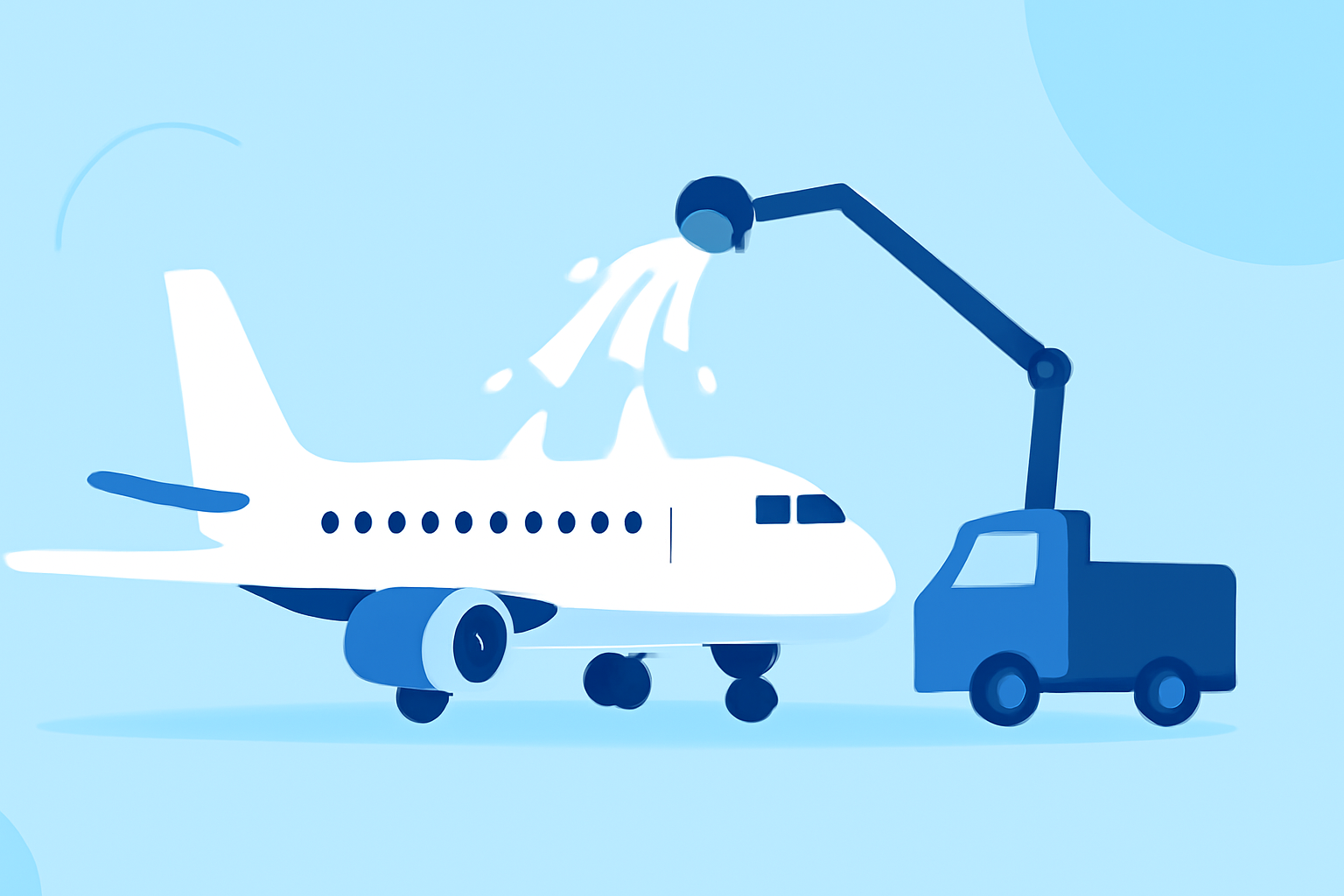
De-icing and departure delays are common challenges in air travel, particularly during winter months. Understanding the causes and management of these delays can enhance your travel experience.
What Causes De-Icing and Departure Delays?
1. Weather Conditions
Adverse weather, such as snowstorms, freezing rain, and low visibility, can necessitate de-icing procedures and lead to departure delays. For instance, a winter storm at Salt Lake City International Airport in February 2026 caused a ground stop and delays of approximately 30 minutes. (airhelp.com)
2. De-Icing Procedures
Aircraft de-icing involves removing ice and snow from critical surfaces to ensure safe flight. This process can be time-consuming, especially during heavy snowfall, leading to delays. De-icing can occur at the gate after pushback or at designated de-icing pads. (thepointsguy.com)
3. Airport Operations
Airports may experience operational challenges, such as runway closures or staffing shortages, which can contribute to delays. The Federal Aviation Administration (FAA) monitors and manages these issues to maintain safety and efficiency. (flightstatus.flights)
How Can Planes Live Help?
Planes Live offers real-time flight tracking and delay information, allowing passengers to monitor their flights and make informed decisions. By providing up-to-date information on de-icing and departure statuses, Planes Live can help mitigate the impact of these delays.
Conclusion
De-icing and departure delays are influenced by various factors, including weather conditions, de-icing procedures, and airport operations. Utilizing tools like Planes Live can provide valuable insights and updates, enhancing your travel experience.
Highlights:
- Snowstorm grounds departures, delays at SLC Airport | AirHelp, Published on Tuesday, February 17