
Understanding De-Icing and Departure Delays in International Air Travel
De-icing is a critical procedure in aviation, especially during winter months, ensuring aircraft safety and optimal performance. For international travelers, understanding de-icing processes and their potential impact on departure schedules is essential.
What Is Aircraft De-Icing?
Aircraft de-icing involves removing ice, snow, or frost from an aircraft's critical surfaces—such as wings, tail, and control surfaces—to maintain aerodynamic efficiency and prevent control issues. Accumulated ice can disrupt airflow, leading to reduced lift and increased drag, which can compromise flight safety. (milesaviation.com)
Why Is De-Icing Necessary?
Ice accumulation on aircraft surfaces can result from various weather conditions, including snow, freezing rain, or frost. Even a thin layer of ice can significantly affect an aircraft's performance. Therefore, de-icing is essential to ensure that all critical surfaces are free from contaminants before takeoff. (aircraftsystemstech.com)
How Is De-Icing Performed?
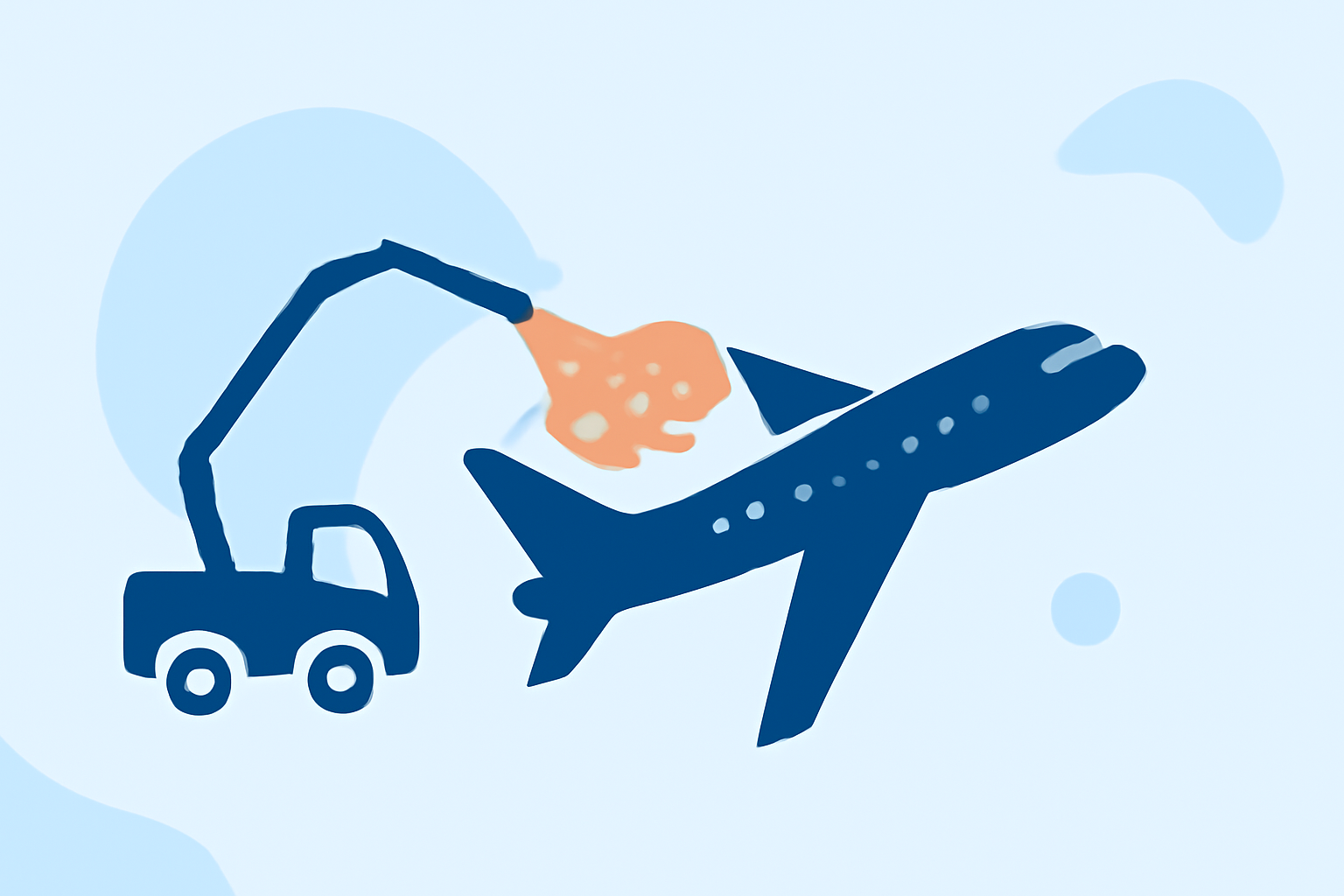
De-icing is typically conducted using specialized vehicles equipped with high-pressure sprayers that apply heated de-icing fluids to the aircraft's surfaces. These fluids are often glycol-based and are applied in a specific sequence to ensure effectiveness. The process may involve a one-step or two-step procedure, depending on weather conditions and the type of fluid used. (easa.europa.eu)
What Are Holdover Times?
After de-icing, the aircraft is protected by anti-icing fluids that prevent ice from re-forming. The duration for which these fluids remain effective is known as the holdover time (HOT). HOT varies based on factors such as temperature, precipitation type, and fluid type. It's crucial for ground crews and flight crews to monitor these times to ensure the aircraft remains free from ice until takeoff. (thepointsguy.com)
How Do De-Icing Procedures Affect Departure Delays?
De-icing can lead to departure delays, especially during severe winter weather when multiple aircraft require treatment. The time taken for de-icing depends on the aircraft size and the extent of contamination. Airports with high traffic volumes may experience longer wait times for de-icing services, potentially affecting flight schedules. (thepointsguy.com)
How Can Planes Live Assist Travelers?
Planes Live offers real-time flight tracking and status updates, providing travelers with timely information about their flights, including potential delays due to de-icing procedures. By staying informed, passengers can make necessary adjustments to their plans and reduce the stress associated with unexpected delays.
Conclusion
Understanding de-icing procedures and their impact on departure schedules is vital for international travelers. By staying informed and utilizing tools like Planes Live, passengers can navigate winter travel more effectively and ensure a smoother journey.
Highlights:
- Understanding aircraft de-icing: Why it matters, how it works, and what is rarely seen | AJOT.COM, Published on Thursday, February 19
- All You Never Wanted to Know about Airplane De-Icing | Port of Seattle, Published on Wednesday, November 30
- De-icing Delays: How This Travel Annoyance Could Save Your Life | TravelPulse, Published on Sunday, November 27