
Understanding De-Icing and Departure Delays in U.S. Air Travel
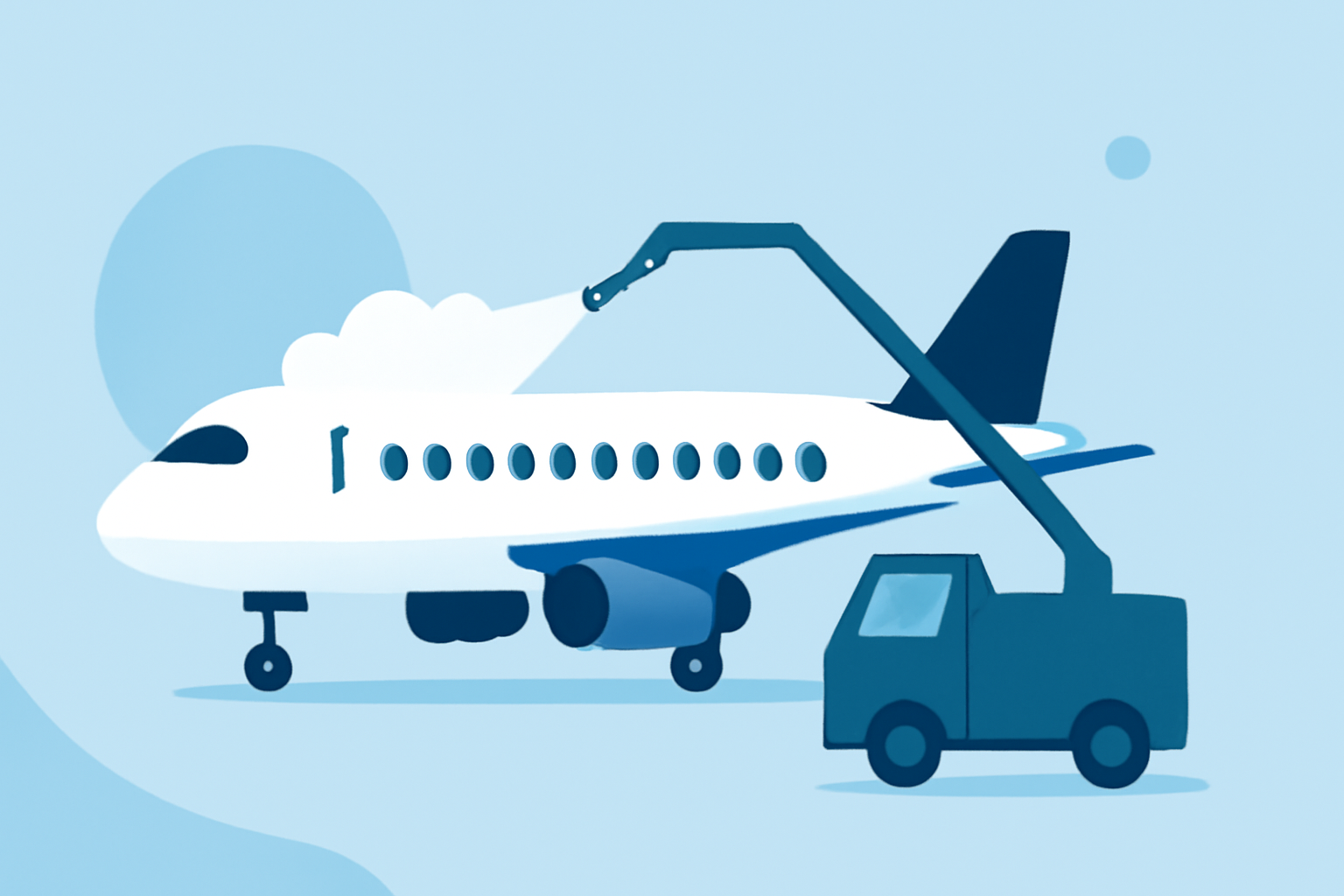
De-icing is a critical process in aviation, especially during winter months, ensuring aircraft safety by removing ice and snow from surfaces. However, this essential procedure often leads to departure delays, affecting travelers nationwide.
What Is De-Icing and Why Is It Necessary?
De-icing involves applying heated fluids to an aircraft's wings and tail to eliminate ice and snow accumulation. This process is vital because even a thin layer of ice can significantly impair an aircraft's lift and control, posing serious safety risks. The de-icing fluid, typically a mixture of propylene glycol and water, is heated to around 150 degrees Fahrenheit and sprayed under pressure to ensure thorough coverage. (flysea.org)
How Do De-Icing Procedures Lead to Departure Delays?
While de-icing is essential, it can introduce several delays:
-
Time Constraints: De-icing must be completed shortly before takeoff to prevent re-icing. This tight window can lead to scheduling challenges, especially during peak travel times.
-
Operational Bottlenecks: Airports with limited de-icing facilities may experience congestion, causing longer wait times for aircraft awaiting treatment.
-
Weather Conditions: Severe winter weather can increase the volume of de-icing required, further straining resources and extending delays.
Real-World Examples of De-Icing Delays
-
Denver International Airport (DIA): In January 2026, a significant snowstorm led to over 600 flight delays and 36 cancellations at DIA. The airport's winter weather response plan was put to the test as snow and frigid temperatures impacted operations. (denver7.com)
-
Durango-La Plata County Airport: In February 2024, passengers experienced delays exceeding seven hours due to de-icing challenges. The airport's de-icing operations faced difficulties, leading to prolonged wait times for travelers. (durangoherald.com)
How Can Planes Live Help Mitigate De-Icing Delays?
Planes Live offers real-time flight tracking and updates, providing passengers with timely information about their flights. By staying informed, travelers can make proactive decisions, such as adjusting their schedules or exploring alternative routes, to minimize the impact of de-icing delays.
Conclusion
De-icing is a necessary procedure to ensure flight safety during winter conditions, but it often leads to departure delays. Understanding this process and utilizing tools like Planes Live can help travelers navigate these challenges more effectively.
Highlights:
- Frigid weather tests Denver International Airport's winter playbook, Published on Friday, January 23
- Passengers delayed over seven hours at Durango-La Plata County Airport - The Durango Herald, Published on Saturday, November 25
- Winter weather, de-icing delays thwart Texas travelers with 1,000 more flight cancellations Thursday, Published on Tuesday, February 22