
Understanding Desert Climate Trends in the United States
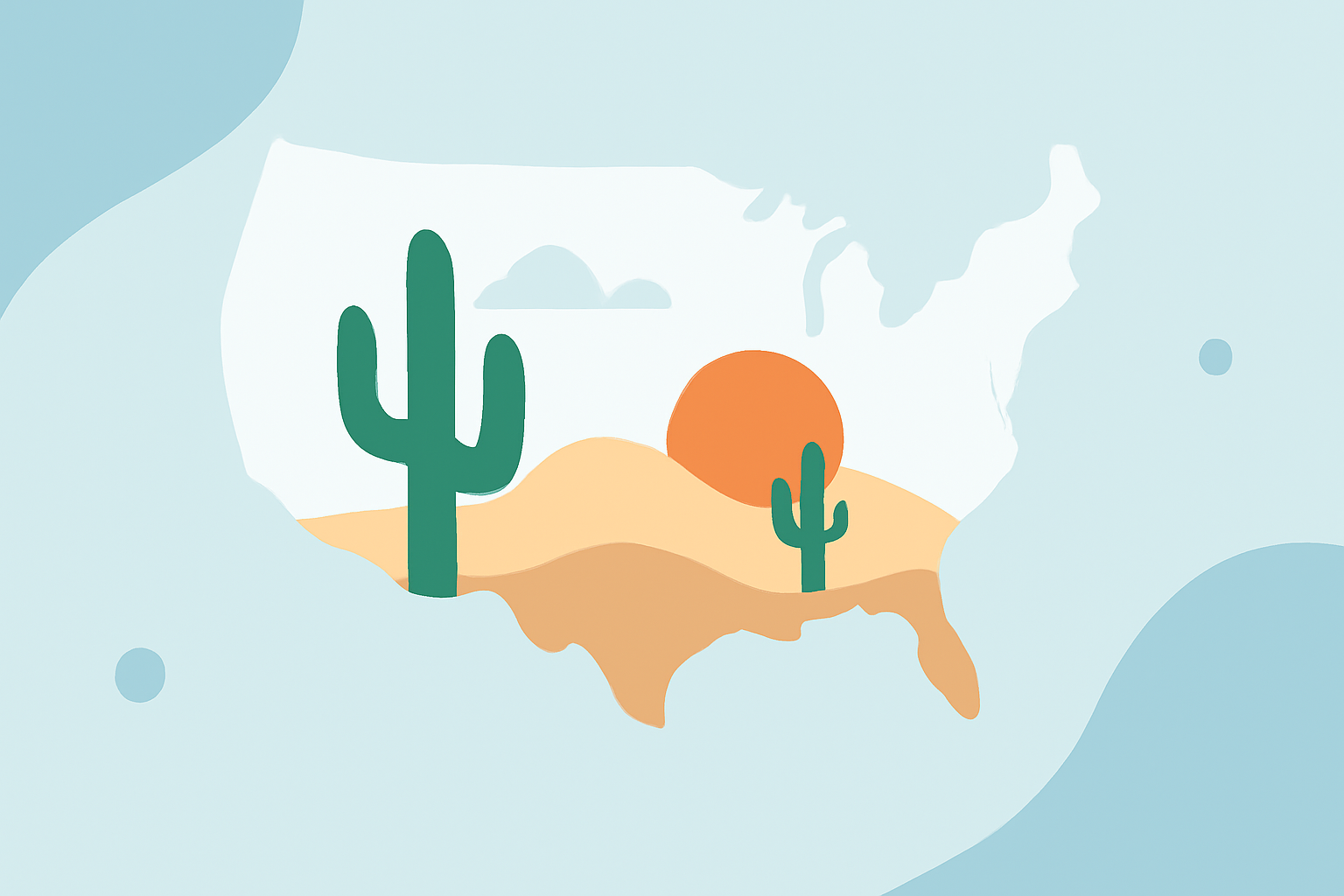
Deserts, covering about one-third of the Earth's land surface, are characterized by low precipitation and extreme temperature fluctuations. In the United States, deserts such as the Mojave, Sonoran, Chihuahuan, and Great Basin are experiencing notable climate changes that affect their ecosystems and human activities.
What Are the Key Climate Trends in U.S. Deserts?
Recent studies indicate that U.S. deserts are undergoing significant climate shifts:
-
Rising Temperatures: The Colorado Plateau, encompassing parts of Arizona, Utah, Colorado, and New Mexico, has seen temperature increases of up to 2-3°C over recent decades. (usgs.gov)
-
Altered Precipitation Patterns: While some regions experience decreased rainfall, others face increased precipitation, leading to unpredictable water availability. (usgs.gov)
-
Increased Aridity: Projections suggest that western U.S. drylands will become more arid, with droughts becoming more frequent and severe. (usgs.gov)
How Do These Climate Changes Affect Desert Ecosystems?
The evolving climate patterns have profound impacts on desert ecosystems:
-
Vegetation Shifts: Changes in temperature and precipitation are altering plant distributions, affecting species composition and ecosystem dynamics. (usgs.gov)
-
Wildlife Impacts: Species adapted to specific climatic conditions may struggle to survive, leading to population declines or shifts in distribution. (fs.usda.gov)
-
Hydrological Changes: Altered precipitation and increased evaporation rates are affecting water availability, impacting both natural habitats and human water resources. (usgs.gov)
What Are the Projections for Future Climate in U.S. Deserts?
Climate models predict continued warming and variable precipitation patterns in U.S. deserts:
-
Temperature Increases: Continued warming is expected, especially in winter and nighttime temperatures. (usgs.gov)
-
Uncertain Precipitation Trends: Future precipitation projections vary, with estimates ranging from an 11% decrease to a 25% increase, depending on location. (usgs.gov)
How Can Clime Assist in Monitoring and Adapting to These Changes?
Clime offers advanced tools to help monitor and adapt to desert climate trends:
-
Real-Time Climate Data: Access up-to-date information on temperature, precipitation, and other climatic factors affecting desert regions.
-
Predictive Analytics: Utilize models to forecast future climate scenarios and their potential impacts on desert ecosystems.
-
Adaptive Management Strategies: Develop and implement strategies to mitigate adverse effects, such as habitat restoration and water conservation efforts.
By leveraging Clime's capabilities, stakeholders can make informed decisions to protect and sustain desert environments in the face of changing climate conditions.
Highlights:
- Deserts | U.S. Geological Survey
- Effects of a changing climate on the hydrological cycle in cold desert ecosystems of the Great Basin and Columbia Plateau | U.S. Geological Survey, Published on Sunday, June 09
- Drylands | U.S. Geological Survey, Published on Monday, September 22