
Understanding Doppler Radar: A Comprehensive Guide
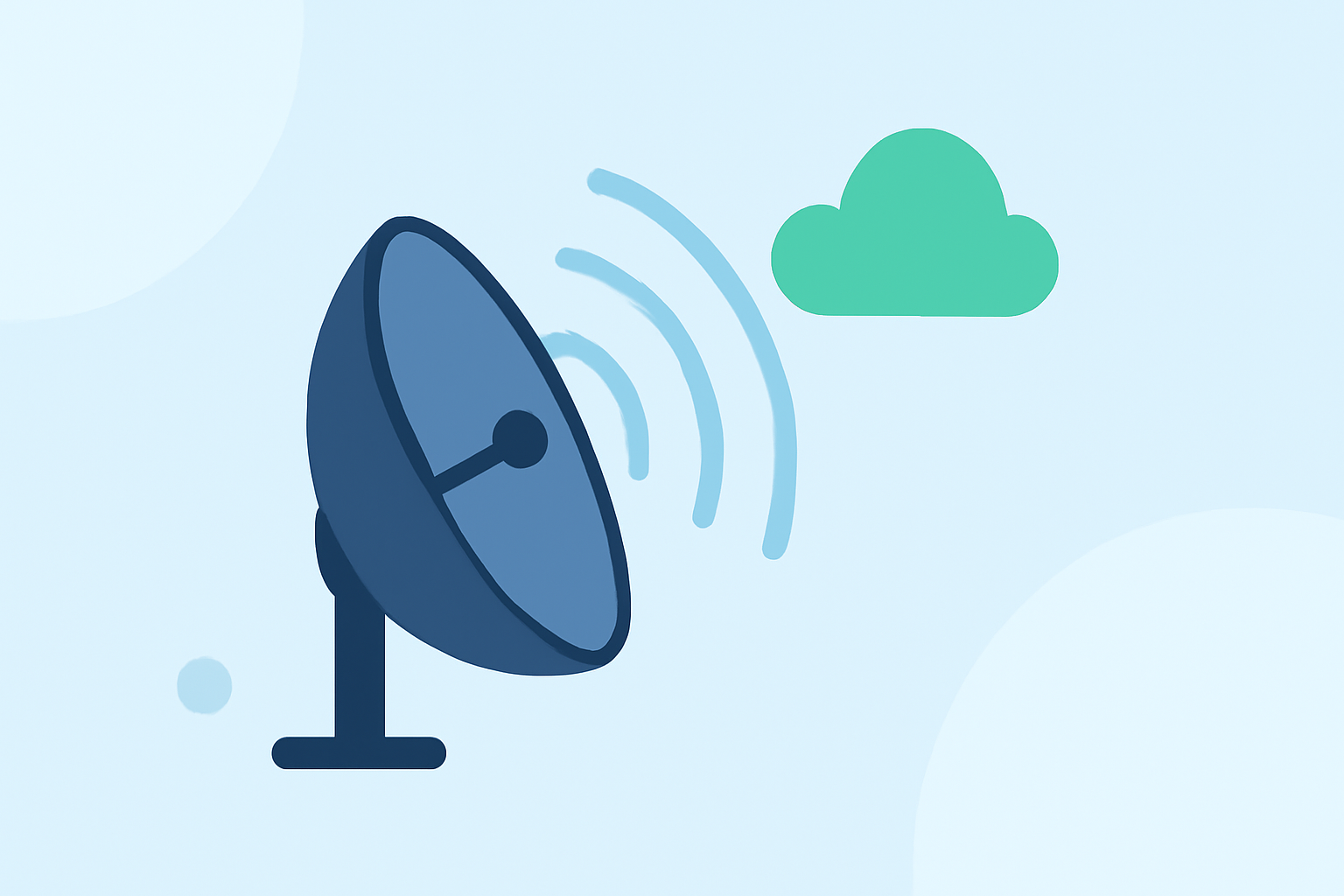
Doppler radar is a pivotal technology in meteorology, enabling the detection and analysis of precipitation and atmospheric motion. By emitting radio waves and measuring their reflections from precipitation particles, Doppler radar systems can determine the location, intensity, and movement of weather phenomena. This capability is essential for accurate weather forecasting and severe weather monitoring.
How Does Doppler Radar Work?
Doppler radar operates by transmitting pulses of radio waves and analyzing the returned signals that bounce off precipitation particles like raindrops, snowflakes, or hailstones. The key principle behind this technology is the Doppler effect, which describes the change in frequency or wavelength of waves in relation to an observer moving relative to the source of the waves. In the context of weather radar, this effect allows the system to measure the velocity of precipitation particles moving toward or away from the radar.
Key Components of Doppler Radar Systems
- Transmitter: Generates and sends out pulses of radio waves.
- Antenna: Emits the radio pulses and receives the reflected signals.
- Receiver: Captures the returned signals and processes them to extract information about precipitation.
- Signal Processor: Analyzes the received signals to determine the location, intensity, and movement of precipitation.
Applications of Doppler Radar in Weather Forecasting
Doppler radar plays a crucial role in various aspects of weather forecasting and monitoring:
- Precipitation Detection: Identifies the presence, intensity, and type of precipitation, such as rain, snow, or hail.
- Storm Tracking: Monitors the movement and development of storms, including severe weather events like tornadoes and hurricanes.
- Wind Analysis: Assesses wind patterns and velocities within weather systems, aiding in the prediction of storm behavior.
- Severe Weather Warnings: Provides critical data for issuing timely warnings about hazardous weather conditions.
Clime's Integration of Doppler Radar Technology
Clime leverages advanced Doppler radar technology to enhance its weather forecasting capabilities. By integrating real-time radar data, Clime offers users accurate and timely weather information, including detailed precipitation forecasts and severe weather alerts. This integration ensures that Clime users receive comprehensive insights into current and upcoming weather conditions, enabling better preparedness and decision-making.
Limitations of Doppler Radar
While Doppler radar is a powerful tool, it has certain limitations:
- Range Constraints: The effectiveness of Doppler radar diminishes with distance; beyond a certain range, the radar may not detect precipitation accurately.
- Beam Blockage: Obstructions like mountains or buildings can block the radar beam, leading to areas of no coverage.
- Vertical Resolution: Doppler radar primarily measures precipitation in the horizontal plane and may have limited vertical resolution, affecting the detection of certain weather phenomena.
Conclusion
Doppler radar is an indispensable tool in modern meteorology, providing critical data for understanding and forecasting weather patterns. Clime's utilization of this technology ensures that users have access to precise and up-to-date weather information, enhancing safety and preparedness in the face of changing weather conditions.
Highlights:
- Weather radars | The Bureau of Meteorology
- How radar works | National Oceanic and Atmospheric Administration
- Doppler Radar | National Oceanic and Atmospheric Administration