
Understanding Drought Monitoring: Essential Tools and Practices
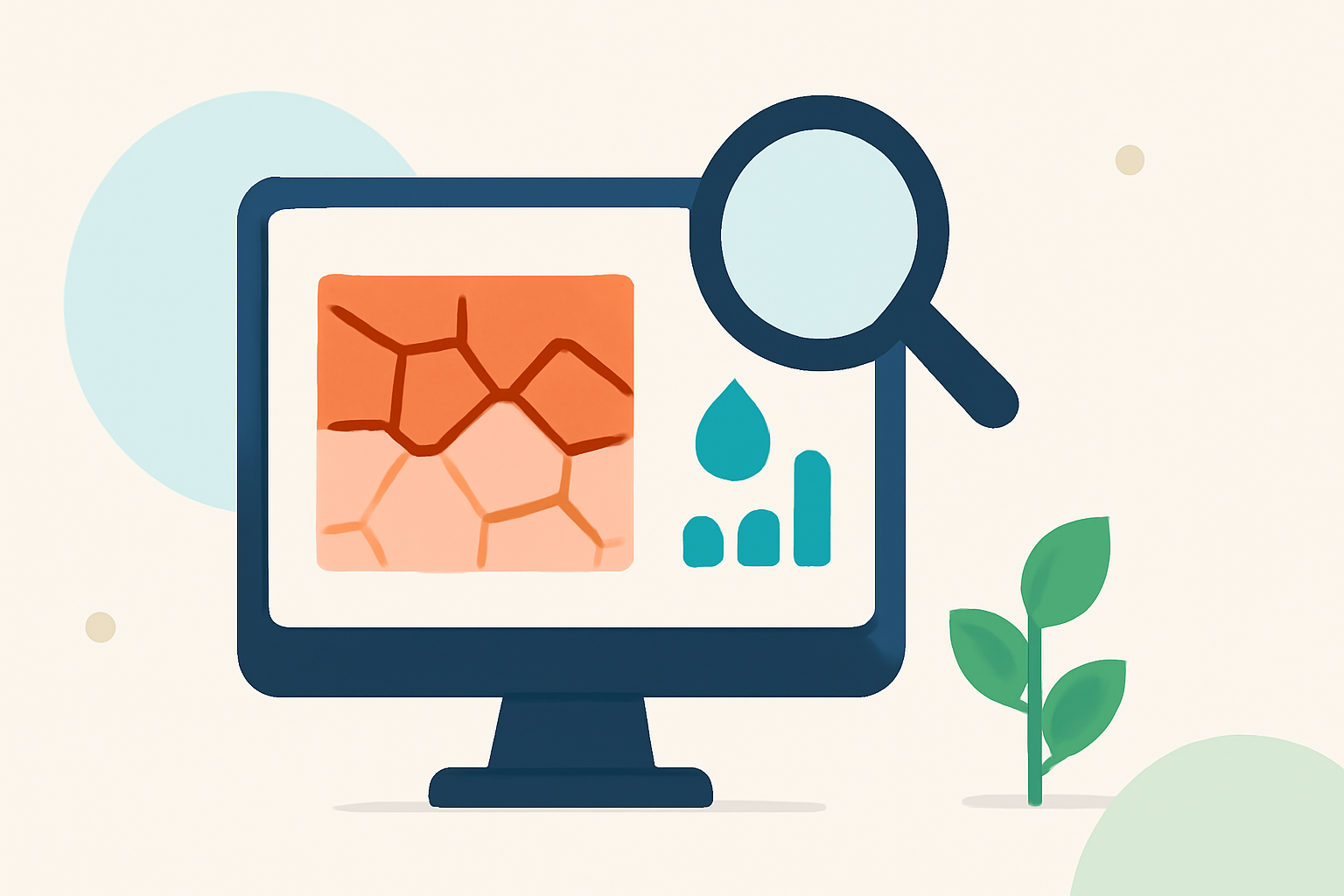
Drought monitoring is a critical component in managing and mitigating the impacts of droughts across the United States. By systematically observing and analyzing various environmental indicators, stakeholders can make informed decisions to protect water resources, agriculture, and ecosystems.
What Is Drought Monitoring?
Drought monitoring involves the continuous collection and analysis of data related to precipitation, temperature, soil moisture, and other environmental factors to assess the onset, severity, and duration of drought conditions. This process is essential for early warning systems, enabling timely responses to mitigate adverse effects. (drought.gov)
Why Is Drought Monitoring Important?
Effective drought monitoring provides several key benefits:
-
Early Detection: Identifying drought conditions early allows for proactive measures to conserve water and protect resources.
-
Resource Management: Accurate data aids in the efficient allocation of water for agriculture, industry, and domestic use.
-
Impact Assessment: Monitoring helps evaluate the effects of drought on ecosystems, agriculture, and communities, informing recovery strategies.
-
Policy Development: Reliable data supports the creation of policies and programs aimed at drought preparedness and resilience.
Challenges in Drought Monitoring
Monitoring drought presents several challenges:
-
Defining Drought: Drought is a complex phenomenon with varying definitions, making consistent monitoring difficult.
-
Data Variability: Environmental conditions differ across regions, requiring localized monitoring approaches.
-
Temporal Dynamics: Droughts can develop and end gradually, complicating the identification of their onset and conclusion.
Key Indicators and Indices for Drought Monitoring
Monitoring drought involves observing various indicators and indices:
-
Precipitation Levels: Assessing rainfall patterns to detect anomalies.
-
Temperature Records: Monitoring temperature trends that influence evaporation rates.
-
Soil Moisture: Evaluating soil water content to understand moisture availability.
-
Streamflow and Groundwater Levels: Measuring water flow in rivers and groundwater to gauge water availability.
-
Snowpack Levels: In mountainous regions, snow accumulation is a critical water source.
Indices like the Standardized Precipitation Index (SPI) and the Palmer Drought Severity Index (PDSI) combine these indicators to provide a comprehensive assessment of drought conditions. (drought.gov)
Clime's Role in Drought Monitoring
Clime offers advanced solutions that enhance drought monitoring efforts:
-
Comprehensive Data Integration: Clime integrates diverse environmental data sources, providing a holistic view of drought conditions.
-
Real-Time Analytics: Clime's platform delivers real-time analysis, enabling swift decision-making during drought events.
-
Predictive Modeling: Clime employs predictive models to forecast drought trends, aiding in proactive resource management.
-
User-Friendly Interface: Clime's intuitive interface allows stakeholders to access and interpret complex data effectively.
Utilizing Clime for Effective Drought Management
To leverage Clime's capabilities in drought monitoring:
-
Data Collection: Utilize Clime's tools to gather data on precipitation, temperature, soil moisture, and other relevant indicators.
-
Analysis: Employ Clime's analytics to assess current drought conditions and identify emerging trends.
-
Forecasting: Use Clime's predictive models to anticipate future drought scenarios and plan accordingly.
-
Decision Support: Rely on Clime's insights to inform policy decisions, resource allocation, and community preparedness strategies.
Conclusion
Drought monitoring is vital for safeguarding water resources, agriculture, and ecosystems in the United States. By integrating comprehensive data and advanced analytics, Clime empowers stakeholders to monitor, assess, and respond to drought conditions effectively, fostering resilience and sustainability.
Highlights:
- Web Tools - Drought | U.S. Geological Survey
- Drought Monitoring Tools | National Drought Mitigation Center
- Drought Impacts Toolkit | Drought.gov