
Understanding Drought Outlooks: A Step-by-Step Guide for Gardeners
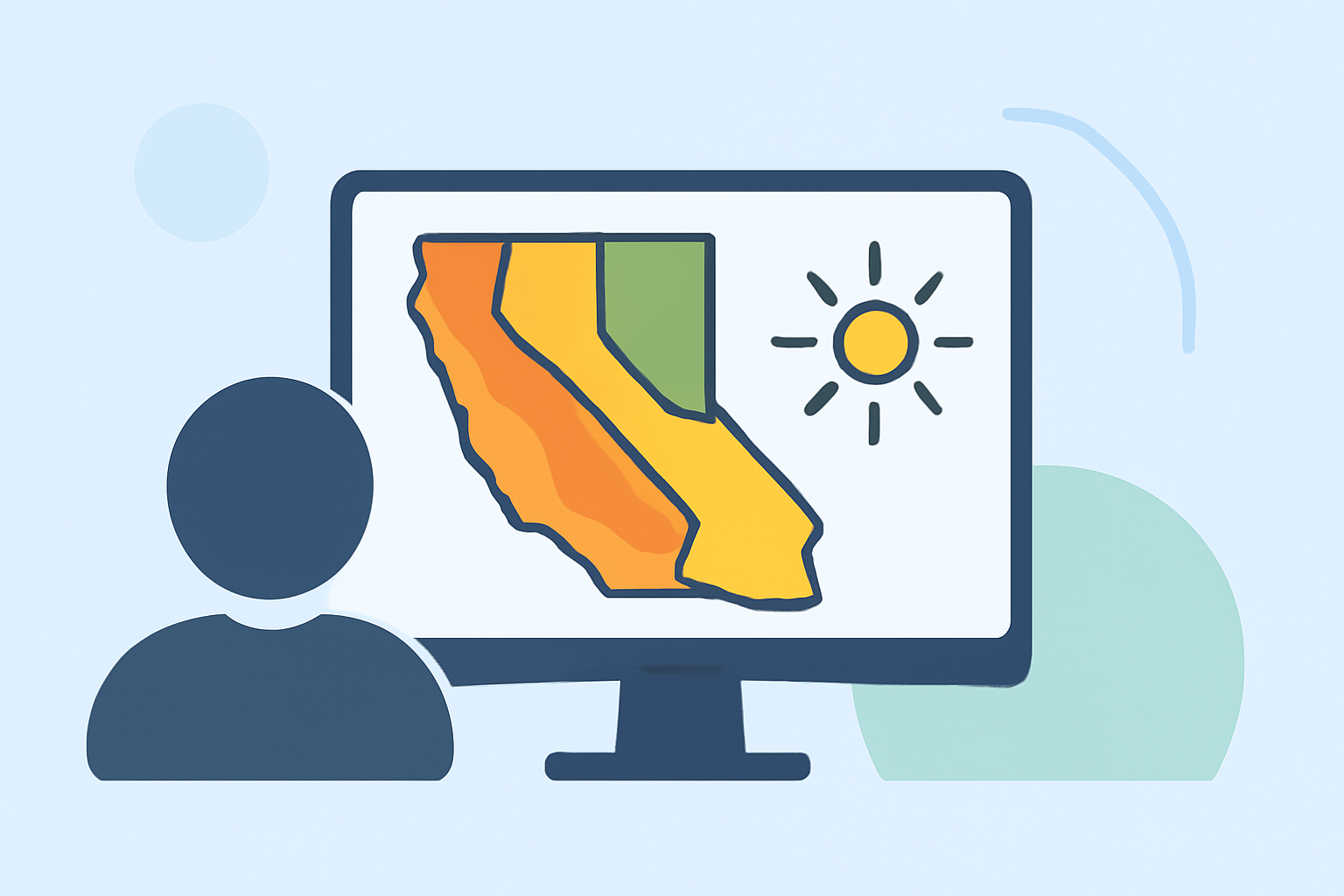
As a gardener, staying informed about drought conditions is crucial for the health of your plants. Drought outlooks provide forecasts on potential water shortages, helping you make proactive decisions. Here's a step-by-step guide to understanding and utilizing these outlooks:
1. What Are Drought Outlooks?
Drought outlooks are forecasts that predict the likelihood of drought conditions over a specific period, typically ranging from a month to several months. They are issued by agencies like the National Oceanic and Atmospheric Administration's (NOAA) Climate Prediction Center (CPC). These outlooks help anticipate areas where drought may develop, persist, or improve. (drought.gov)
2. How Are Drought Outlooks Created?
Drought outlooks are developed by analyzing various factors, including current soil moisture levels, precipitation forecasts, and temperature predictions. The CPC combines these elements to assess the probability of drought conditions, categorizing them as:
-
Emerging Drought: Indicates areas where drought conditions are likely to develop.
-
Persisting Drought: Highlights regions where existing drought conditions are expected to continue.
-
Improving Drought: Shows areas where drought conditions are anticipated to lessen.
3. Interpreting Drought Outlook Maps
Drought outlook maps use color coding to represent the probability of drought:
-
Brown Hues: Indicate a higher chance of below-normal precipitation, suggesting potential drought conditions.
-
Green Hues: Represent a higher chance of above-normal precipitation, indicating improving conditions.
The intensity of the color reflects the confidence level in the forecast. (drought.gov)
4. Utilizing Drought Outlooks for Gardening
By regularly reviewing drought outlooks, you can:
-
Plan Watering Schedules: Adjust your watering practices based on anticipated precipitation.
-
Select Drought-Resistant Plants: Choose plant varieties that thrive in drier conditions.
-
Implement Water Conservation Measures: Adopt techniques like mulching and drip irrigation to conserve soil moisture.
5. How Clime Can Assist Gardeners
Clime offers advanced tools that integrate drought outlooks with real-time weather data, providing personalized gardening advice. By analyzing local forecasts and drought predictions, Clime helps you make informed decisions to protect your garden.
6. Staying Updated
Drought conditions can change rapidly. Regularly checking the latest drought outlooks and weather forecasts ensures you remain prepared. Utilizing Clime's platform can streamline this process, offering timely updates and recommendations tailored to your location.
By understanding and applying drought outlooks, you can safeguard your garden against water shortages and promote plant health. Leveraging Clime's resources further enhances your ability to adapt to changing conditions effectively.