
Understanding Drought Outlooks in the United States
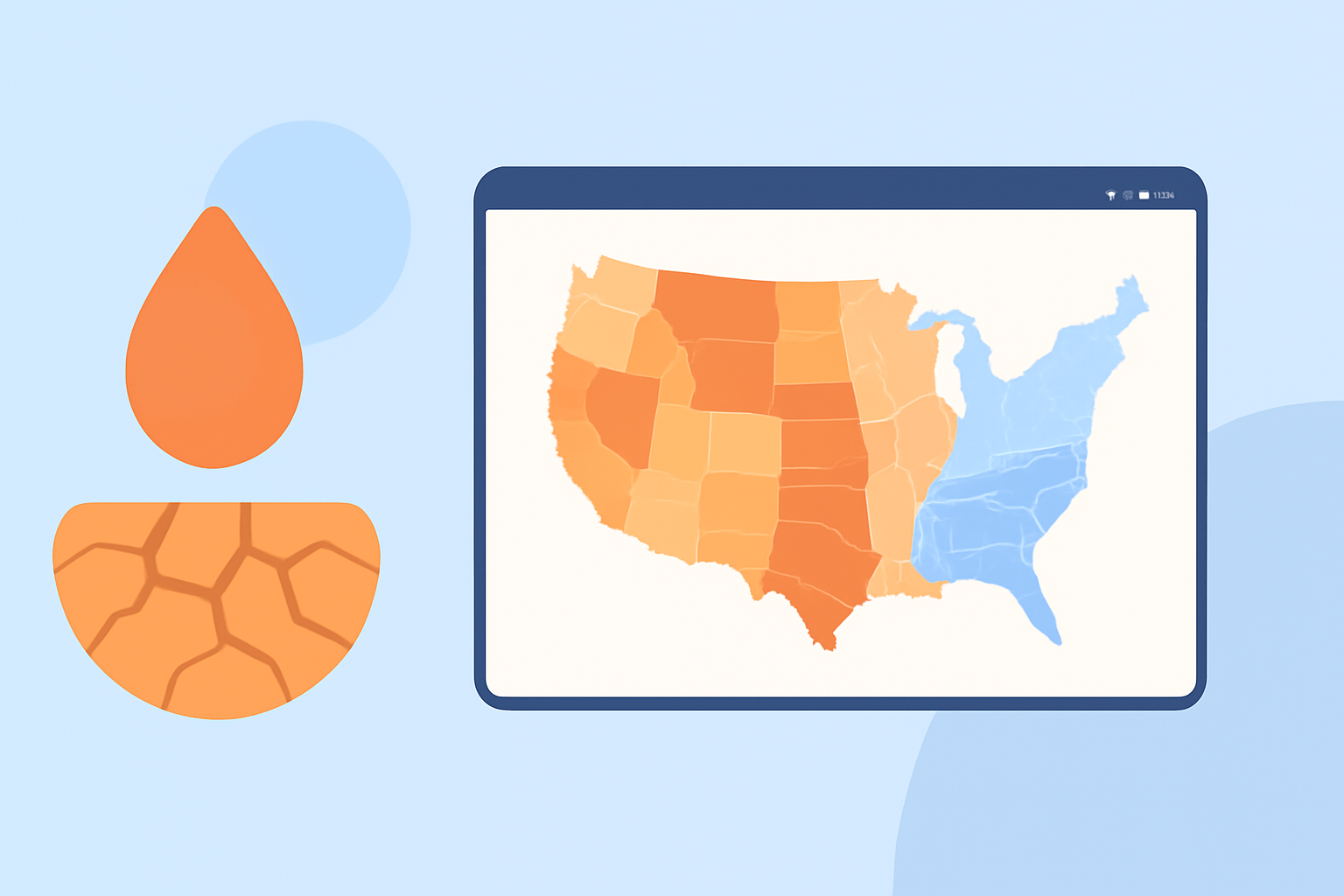
Droughts are prolonged periods of abnormally low precipitation, leading to water shortages that can severely impact agriculture, water supply, and ecosystems. In the United States, the National Oceanic and Atmospheric Administration's (NOAA) Climate Prediction Center (CPC) provides regular drought outlooks to forecast the development, persistence, improvement, or removal of drought conditions over specified periods.
What Are Drought Outlooks?
Drought outlooks are predictive assessments that indicate the likelihood of drought conditions emerging, persisting, improving, or dissipating over a defined timeframe. These outlooks are typically issued monthly and seasonally, offering insights into potential drought trends and aiding in proactive water resource management.
Types of Drought Outlooks
-
Monthly Drought Outlooks: Released at the end of each month, these outlooks predict drought conditions for the upcoming month. They assess whether drought will develop, persist, improve, or be removed, providing a short-term forecast to inform immediate water management decisions. (drought.gov)
-
Seasonal Drought Outlooks: Issued on the third Thursday of each month, these outlooks forecast drought conditions over the next three months. They help in planning for seasonal water needs and agricultural activities by indicating the likelihood of drought development or alleviation. (drought.gov)
How Are Drought Outlooks Created?
CPC scientists develop drought outlooks by analyzing various factors, including current precipitation patterns, soil moisture levels, and long-range climate forecasts. They utilize advanced climate models and historical data to assess the probability of drought conditions, considering both short-term and long-term climatic influences.
Accessing Drought Outlooks
Drought outlooks are accessible through the Drought.gov website, which provides interactive maps and detailed assessments. Users can view current and past outlooks, download GIS data, and sign up for email alerts to stay informed about drought conditions in their regions. (drought.gov)
Clime's Role in Drought Monitoring
Clime offers advanced tools that integrate real-time weather data, satellite imagery, and predictive analytics to monitor and manage drought conditions effectively. By leveraging Clime's platform, users can access up-to-date drought outlooks, visualize potential impacts, and make informed decisions to mitigate the effects of drought.
Conclusion
Understanding drought outlooks is crucial for effective water resource management and agricultural planning. By utilizing resources like Drought.gov and Clime's advanced tools, stakeholders can proactively address drought conditions, ensuring sustainable water use and agricultural productivity across the United States.
Highlights:
- U.S. Monthly Drought Outlook | Drought.gov
- U.S. Seasonal Drought Outlook | Drought.gov
- Outlooks & Forecasts | Drought.gov, Published on Wednesday, June 10