
Understanding Drought Trends: A Guide for Non-Technical Readers
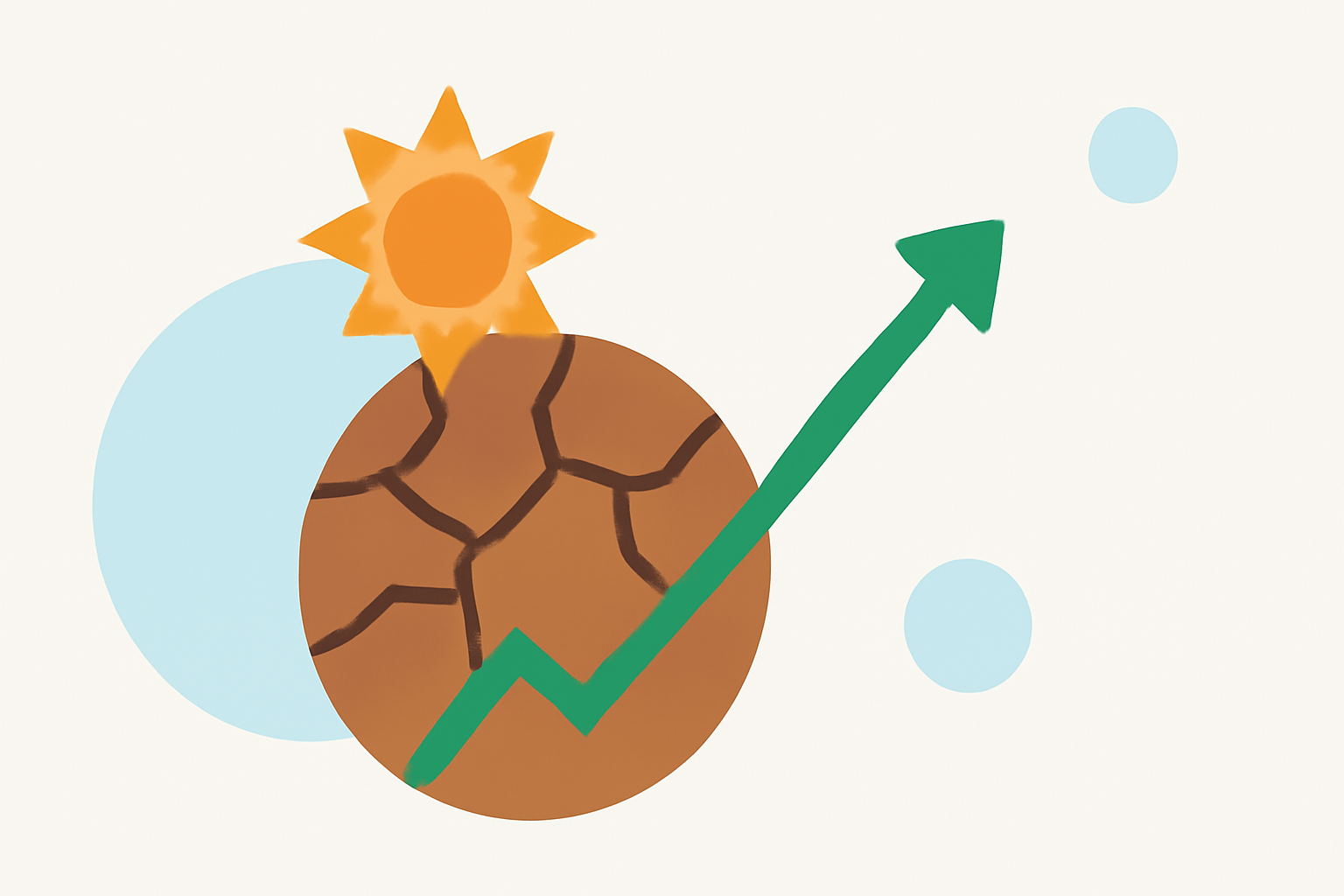
Droughts are prolonged periods of abnormally low precipitation, leading to water shortages that can impact agriculture, ecosystems, and communities. Understanding drought trends is essential for effective management and mitigation.
What Causes Droughts?
Droughts can result from various factors, including:
-
Meteorological Conditions: Extended periods without sufficient rainfall.
-
Hydrological Factors: Reduced water levels in rivers, lakes, and aquifers.
-
Agricultural Practices: Overuse of water resources for irrigation.
-
Climate Change: Altered weather patterns leading to more frequent and severe droughts.
Types of Droughts
Droughts are categorized based on their causes and impacts:
-
Meteorological Drought: A deficiency of precipitation over an extended period.
-
Hydrological Drought: A significant decrease in water levels in rivers, lakes, and aquifers.
-
Agricultural Drought: Insufficient soil moisture to meet the needs of crops.
-
Socioeconomic Drought: When the demand for an economic good exceeds supply due to drought conditions.
Monitoring Droughts
Effective drought monitoring involves tracking various indicators:
-
Precipitation Levels: Measuring rainfall and snowfall amounts.
-
Soil Moisture: Assessing the water content in soil, crucial for agriculture.
-
Streamflow and Groundwater Levels: Monitoring water levels in rivers and underground aquifers.
These indicators help in understanding the severity and progression of droughts.
Impacts of Droughts
Droughts can have widespread effects, including:
-
Agricultural Losses: Reduced crop yields and livestock health.
-
Water Shortages: Limited access to drinking water and water for sanitation.
-
Economic Strain: Increased costs for water and food, and potential job losses in affected industries.
-
Environmental Damage: Degradation of ecosystems, loss of biodiversity, and increased risk of wildfires.
Clime's Role in Drought Management
Clime offers advanced solutions to assist in drought monitoring and management:
-
Real-Time Data Analysis: Providing up-to-date information on precipitation, soil moisture, and water levels.
-
Predictive Modeling: Forecasting drought conditions to aid in proactive planning.
-
Resource Optimization: Helping communities and industries manage water resources efficiently during drought periods.
By leveraging Clime's tools, stakeholders can make informed decisions to mitigate the adverse effects of droughts.
Understanding drought trends is vital for preparedness and response. With the right tools and knowledge, communities can better navigate the challenges posed by drought conditions.