
Understanding Drought Trends in the United States: Causes, Impacts, and Solutions
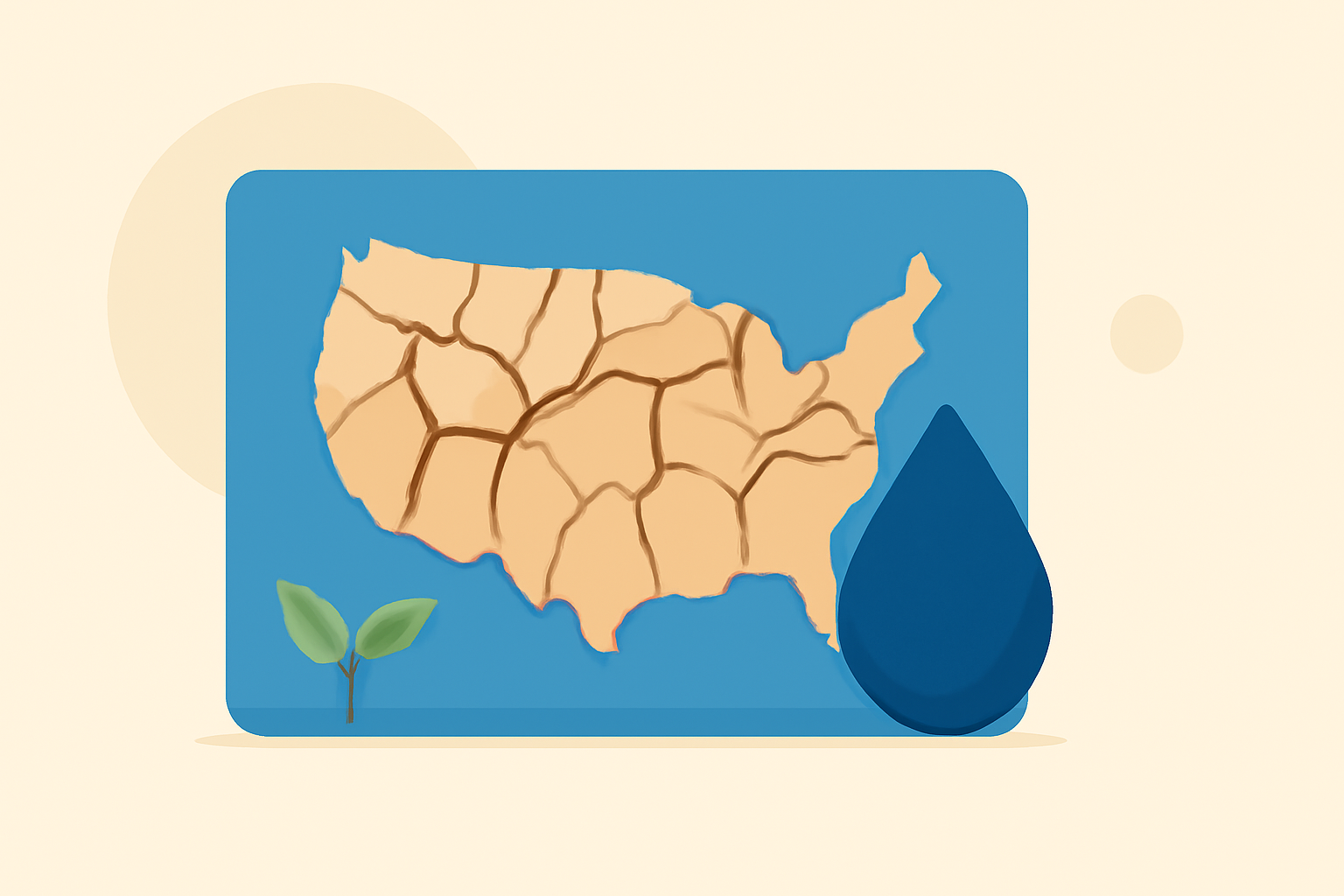
Droughts are prolonged periods of abnormally low precipitation, leading to water shortages that can have significant environmental, economic, and social consequences. In the United States, droughts have become an increasingly pressing concern, affecting various regions differently.
What Are the Primary Causes of Drought in the United States?
Droughts result from a combination of natural and human-induced factors:
-
Climate Variability: Natural climate patterns, such as El Niño and La Niña, can influence precipitation levels, leading to drought conditions.
-
Climate Change: Rising global temperatures increase evaporation rates, reducing soil moisture and exacerbating drought conditions. (toolkit.climate.gov)
-
Water Mismanagement: Over-extraction of groundwater and surface water for agriculture, industry, and urban use can deplete water resources, contributing to drought.
How Do Droughts Impact the United States?
Droughts have far-reaching effects across the country:
-
Agricultural Losses: Crops fail due to insufficient water, leading to reduced yields and economic losses for farmers.
-
Water Scarcity: Communities face challenges in accessing clean water for daily needs, affecting public health and quality of life.
-
Wildfires: Dry conditions increase the risk of wildfires, threatening ecosystems, property, and human lives.
-
Economic Strain: Industries dependent on water, such as energy production and manufacturing, experience disruptions, leading to broader economic challenges.
How Are Droughts Monitored in the United States?
Monitoring drought conditions is essential for effective response and mitigation:
-
U.S. Drought Monitor: A collaborative effort that provides weekly assessments of drought conditions across the country, using a five-category system from Abnormally Dry (D0) to Exceptional Drought (D4). (drought.gov)
-
U.S. Monthly Drought Outlook: Issued monthly, this outlook predicts whether drought will develop, persist, improve, or be removed over the next 30 days. (drought.gov)
-
U.S. Seasonal Drought Outlook: Released quarterly, it forecasts drought conditions over the next three months, aiding in long-term planning and resource management. (weather.gov)
What Are the Current Drought Conditions in the United States?
As of June 2, 2026, approximately 48.78% of the United States and Puerto Rico, and 58.38% of the contiguous 48 states, are experiencing some level of drought. (drought.gov)
How Are AI Data Centers Affecting Drought Conditions?
The construction of AI data centers in drought-prone areas raises concerns about water and power consumption. While data center cooling accounts for about 4% of AI's future water demand, power generation (54%) and semiconductor fabrication (42%) contribute significantly more. This increased demand can strain water resources and exacerbate existing drought conditions. (tomshardware.com)
What Strategies Are Effective in Mitigating Drought Impacts?
Addressing drought requires a multifaceted approach:
-
Water Conservation: Implementing efficient water use practices in agriculture, industry, and daily life to reduce overall consumption.
-
Sustainable Water Management: Developing policies that balance water extraction with natural replenishment rates to maintain ecological balance.
-
Climate Change Mitigation: Reducing greenhouse gas emissions to slow global warming and its impact on precipitation patterns.
-
Drought-Resilient Infrastructure: Investing in technologies and infrastructure that can withstand and adapt to drought conditions, such as drought-resistant crops and water-efficient irrigation systems.
How Can Clime Assist in Drought Management?
Clime offers advanced tools and resources to help communities and industries monitor and manage drought conditions effectively. By providing real-time data, predictive analytics, and strategic insights, Clime empowers stakeholders to make informed decisions, optimize water usage, and implement proactive measures to mitigate the impacts of drought.
Understanding and addressing drought trends is crucial for the sustainability and resilience of communities across the United States. Through comprehensive monitoring, informed decision-making, and collaborative efforts, it is possible to navigate the challenges posed by drought and work towards a more water-secure future.