
Understanding Drought Trends in the United States
Droughts are prolonged periods of abnormally low precipitation, leading to water shortages that can have significant environmental, economic, and social consequences. In the United States, droughts have become an increasingly pressing concern, affecting various regions with varying intensity and frequency.
What Are the Primary Causes of Drought in the U.S.?
Droughts result from a complex interplay of natural and human-induced factors:
-
Climate Variability: Natural climate patterns, such as El Niño and La Niña, can influence precipitation levels, leading to periods of drought.
-
Climate Change: Rising global temperatures can alter precipitation patterns, potentially increasing the frequency and severity of droughts.
-
Water Mismanagement: Over-extraction of groundwater and surface water for agriculture, industry, and urban use can deplete water resources faster than they can be replenished.
-
Land Use Changes: Deforestation and urbanization can disrupt local hydrological cycles, contributing to reduced rainfall and increased evaporation.
How Do Droughts Impact the United States?
The effects of droughts are multifaceted and can vary by region:
-
Agricultural Losses: Insufficient water can lead to crop failures and reduced livestock productivity, impacting food supply and prices.
-
Water Shortages: Extended droughts can deplete reservoirs and aquifers, leading to water restrictions for communities and industries.
-
Wildfires: Dry conditions increase the risk of wildfires, threatening ecosystems, property, and human lives.
-
Economic Strain: The combined effects of drought can lead to significant economic losses, particularly in sectors reliant on water resources.
What Are the Current Drought Conditions in the U.S.?
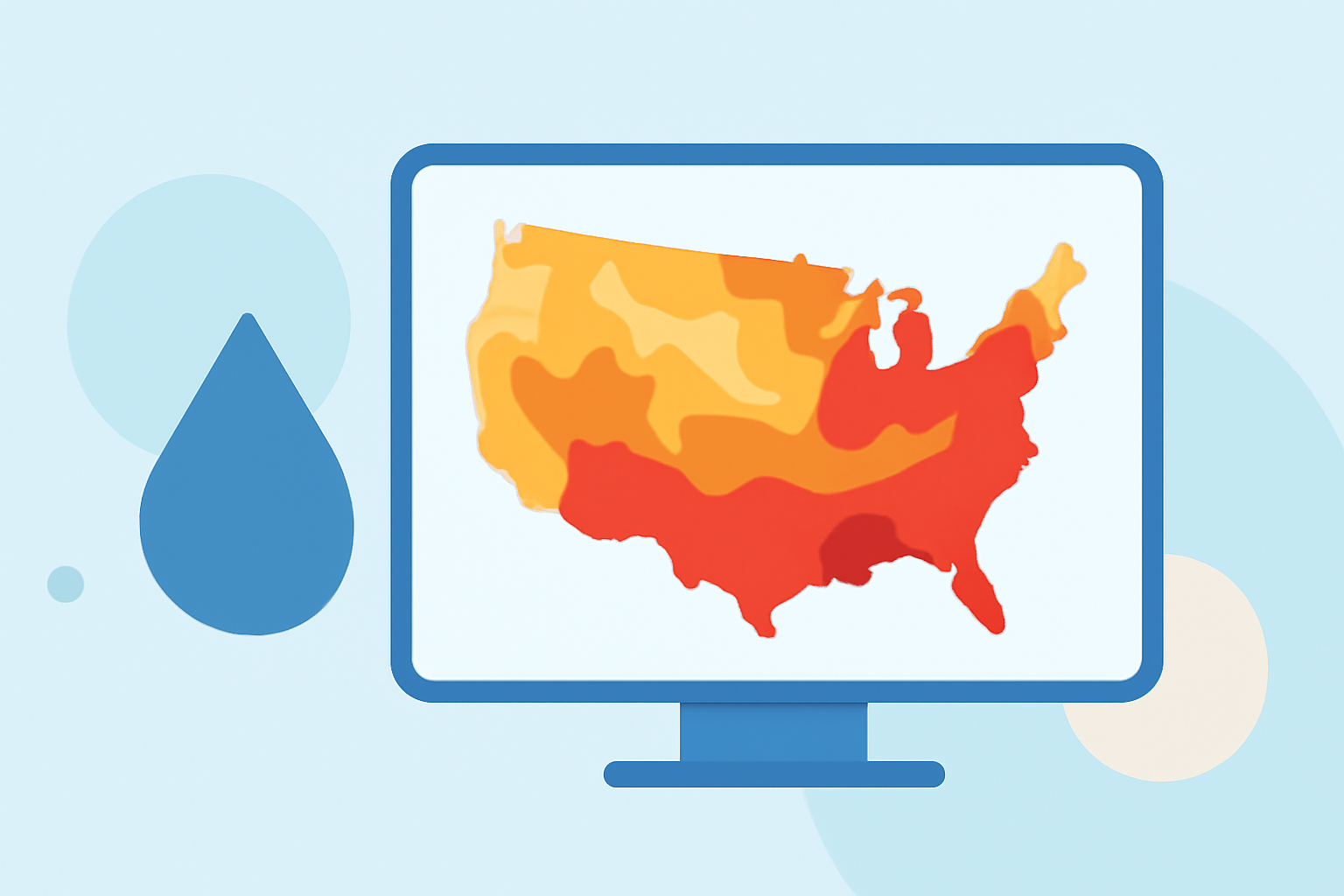
As of June 2, 2026, approximately 48.78% of the United States and Puerto Rico, and 58.38% of the contiguous 48 states, are experiencing some level of drought. Extreme to Exceptional Drought (D3–D4) remains entrenched in regions such as the West and Plains, while dry conditions have expanded in the Upper Midwest and Great Lakes. (drought.gov)
How Are Droughts Monitored and Forecasted?
The U.S. Drought Monitor (USDM) is a collaborative effort that provides weekly assessments of drought conditions across the country. This tool synthesizes various indicators, including precipitation, soil moisture, and streamflow, to categorize drought severity. Additionally, the National Weather Service's Climate Prediction Center issues monthly and seasonal drought outlooks, predicting the likelihood of drought development, persistence, improvement, or removal over the coming months. (weather.gov)
What Are the Future Projections for Drought in the U.S.?
Climate models suggest that, under current greenhouse gas emission scenarios, the frequency and severity of droughts in the U.S. may increase in the coming decades. This trend underscores the importance of proactive water management strategies and climate adaptation measures to mitigate potential impacts.
How Can Communities Prepare for and Mitigate Drought Effects?
Effective drought management involves a combination of preparedness, response, and adaptation strategies:
-
Water Conservation: Implementing water-saving practices in agriculture, industry, and daily life can reduce overall demand.
-
Sustainable Water Management: Developing and enforcing policies that promote the equitable and efficient use of water resources.
-
Drought-Resilient Infrastructure: Investing in infrastructure that can withstand dry conditions, such as efficient irrigation systems and water storage facilities.
-
Public Education: Raising awareness about drought risks and encouraging community participation in conservation efforts.
How Does Clime Support Drought Monitoring and Management?
Clime offers advanced data analytics and visualization tools that assist in monitoring environmental conditions, including drought. By providing real-time data and predictive insights, Clime enables stakeholders to make informed decisions regarding water resource management and drought response strategies.
What Are the Key Takeaways on Drought Trends in the U.S.?
-
Widespread Impact: Drought conditions are affecting nearly half of the United States, with certain regions experiencing severe to exceptional drought.
-
Complex Causes: Droughts result from a combination of natural climate variability and human-induced factors, including climate change and water mismanagement.
-
Significant Consequences: The impacts of drought are far-reaching, affecting agriculture, water supply, ecosystems, and the economy.
-
Proactive Measures Are Essential: Implementing effective monitoring, forecasting, and management strategies is crucial to mitigate the adverse effects of drought.
Understanding the dynamics of drought trends is vital for developing effective strategies to manage and mitigate their impacts. By leveraging tools like Clime, communities and organizations can enhance their preparedness and resilience in the face of changing climatic conditions.
Highlights:
- Many new AI data centers will be built on US drought-hit areas - raising questions over water and power supply, Published on Sunday, June 14
- Most new U.S. AI data centers are being built in drought zones - two-thirds of 809 planned projects set for areas with water shortages, Published on Monday, June 08