
Understanding Drought Trends in the United States
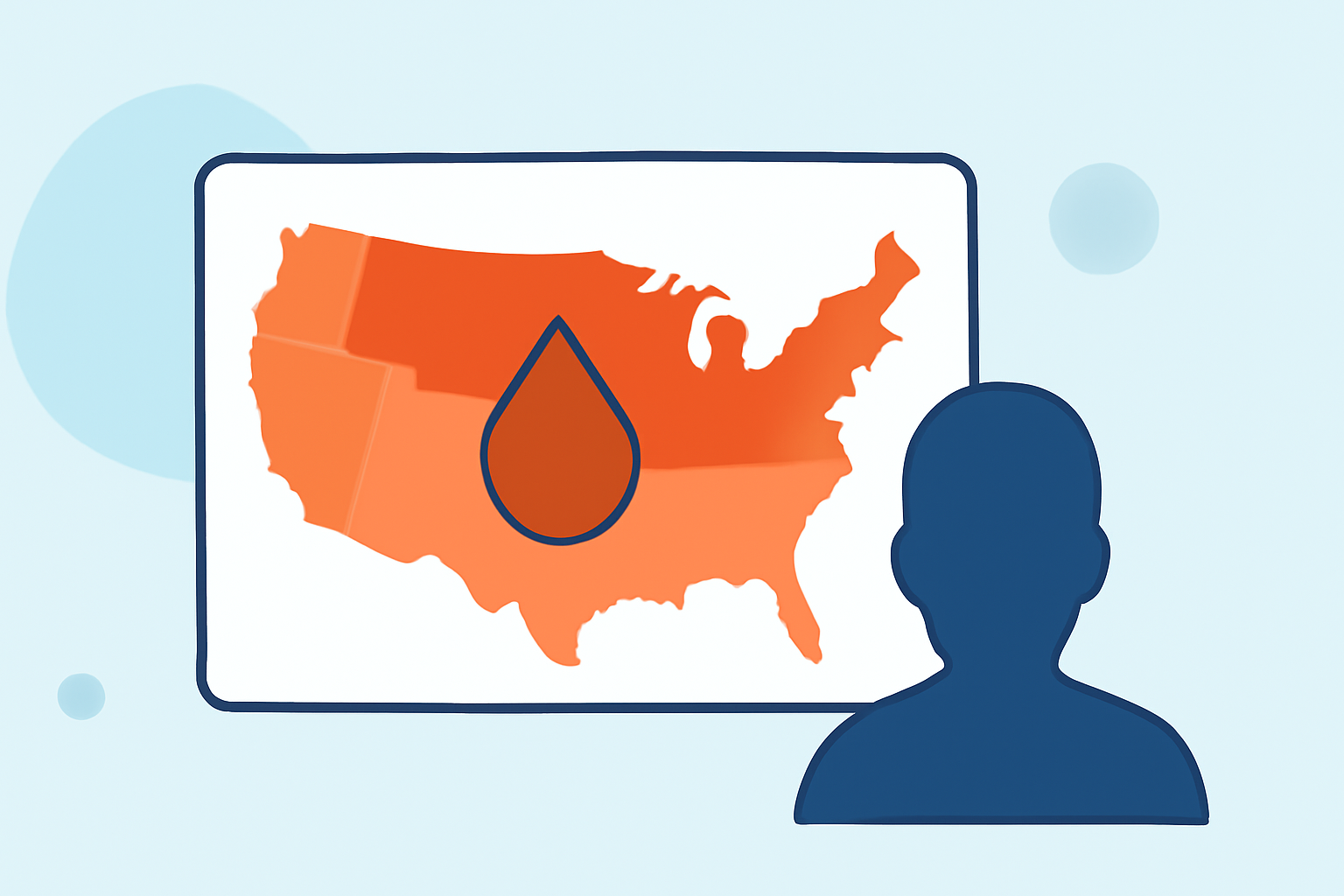
Droughts are prolonged periods of abnormally low precipitation, leading to water shortages that can affect agriculture, water supply, and ecosystems. In the United States, drought conditions are monitored and reported by various agencies, including the National Drought Mitigation Center (NDMC), the National Oceanic and Atmospheric Administration (NOAA), and the U.S. Geological Survey (USGS).
Current Drought Conditions
As of June 2, 2026, approximately 48.78% of the United States and Puerto Rico, and 58.38% of the contiguous 48 states, are experiencing some level of drought. The U.S. Drought Monitor categorizes drought severity into five levels:
- Abnormally Dry (D0): Short-term dryness slowing planting, growth, or haying.
- Moderate Drought (D1): Some damage to crops and pastures; fire risk high.
- Severe Drought (D2): Crop and pasture losses likely; water shortages common.
- Extreme Drought (D3): Widespread crop and pasture losses; water shortages creating water emergencies.
- Exceptional Drought (D4): Exceptional and widespread crop and pasture losses; shortages of water in streams, reservoirs, and wells.
These categories help in assessing the severity and potential impacts of drought conditions across the country. (drought.gov)
Impacts of Drought
Droughts can have significant effects on various sectors:
- Agriculture: Reduced crop yields and livestock health issues due to water scarcity.
- Water Supply: Decreased water levels in reservoirs and rivers, affecting both municipal and agricultural water use.
- Ecosystems: Stress on plant and animal species, leading to habitat degradation.
- Economy: Increased costs for water and food, and potential job losses in affected industries.
Monitoring and Forecasting Drought Trends
Monitoring drought involves analyzing precipitation patterns, soil moisture, and streamflow data. The U.S. Drought Monitor provides weekly updates on drought conditions, while the NOAA Climate Prediction Center offers monthly and seasonal drought outlooks. These resources help in understanding current conditions and predicting future trends. (weather.gov)
Clime's Role in Drought Monitoring
Clime offers advanced tools for monitoring environmental conditions, including drought trends. By integrating real-time data and predictive analytics, Clime enables users to:
- Track Drought Conditions: Access up-to-date information on drought severity and affected regions.
- Analyze Historical Data: Examine past drought events to understand patterns and impacts.
- Forecast Future Trends: Utilize predictive models to anticipate potential drought developments.
These capabilities assist in proactive planning and decision-making to mitigate the effects of drought.
Conclusion
Droughts pose significant challenges to the United States, affecting agriculture, water resources, and the economy. Understanding and monitoring drought trends are crucial for effective management and response. Clime's solutions provide comprehensive tools to support these efforts, offering valuable insights and forecasts to help navigate the complexities of drought conditions.
Highlights:
- Many new AI data centers will be built on US drought-hit areas - raising questions over water and power supply, Published on Sunday, June 14
- Most new U.S. AI data centers are being built in drought zones - two-thirds of 809 planned projects set for areas with water shortages, Published on Monday, June 08