
Understanding Drought Trends in the United States: A 2026 Overview
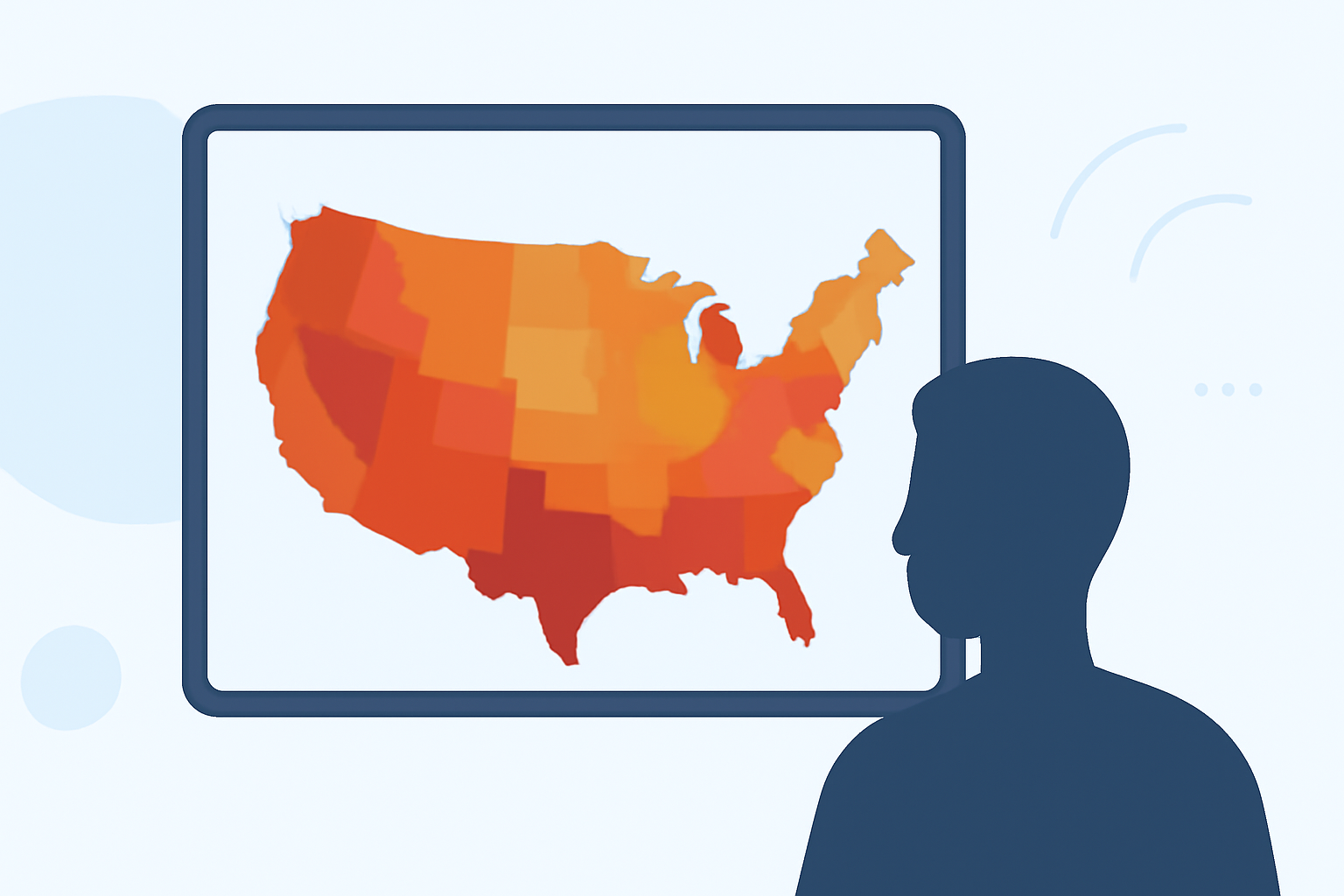
As of June 9, 2026, approximately 46.93% of the United States and Puerto Rico, and 56.16% of the contiguous 48 states, are experiencing drought conditions. (drought.gov) This marks a decrease of 3.8% from the previous week and an 8.6% decrease from the month prior.
Regional Drought Conditions
-
Northeast and Mid-Atlantic: Severe drought (D2) conditions have expanded in these regions due to widespread heat. (drought.gov)
-
Plains and South: Intermittent rainfall has improved drought conditions in some areas, while regions that missed the rain have experienced further drying. (drought.gov)
-
Southeast: As of April 16, 2026, 96.83% of the Southeast is under moderate to exceptional drought (D1-D4), with 81.75% in severe to exceptional drought (D2-D4). This is the largest area of drought in the Southeast since the U.S. Drought Monitor began in 2000. (drought.gov)
-
Midwest: Despite some recent precipitation, long-term deficits of 8–16 inches over the last twelve months persist across Missouri, Illinois, Indiana, and southern Iowa, leading to ongoing hydrological drought impacts. (drought.gov)
-
California-Nevada: After a wet start to Water Year 2026, drought conditions improved by 1-3 categories over two months. However, snowpack remains below normal due to above-normal temperatures. (drought.gov)
El Niño's Potential Impact
The emergence of El Niño conditions raises the possibility of increased precipitation in the Southern Plains, potentially alleviating drought conditions. Historically, El Niño has brought cooler, wetter conditions to the Southern U.S., serving as a drought buster in several instances. However, its effectiveness can vary, and it does not guarantee the end of drought conditions. (drought.gov)
Conclusion
Drought conditions in the United States are widespread and persistent, with significant regional variations. While recent precipitation has provided some relief, long-term solutions require comprehensive water management strategies and monitoring.
For real-time updates and detailed information, refer to the U.S. Drought Monitor and Drought.gov.
Highlights:
- National Current Conditions | Drought.gov, Published on Monday, June 08
- Drought Status Update for the Southeast | April 16, 2026 | Drought.gov, Published on Wednesday, April 15
- El Niño on the Horizon: Can the Warm Phase End Six Years of Drought in the Southern Plains of the U.S.? | March 11, 2026 | Drought.gov, Published on Tuesday, March 10