
Understanding Drought Trends in the United States: A Comprehensive Overview
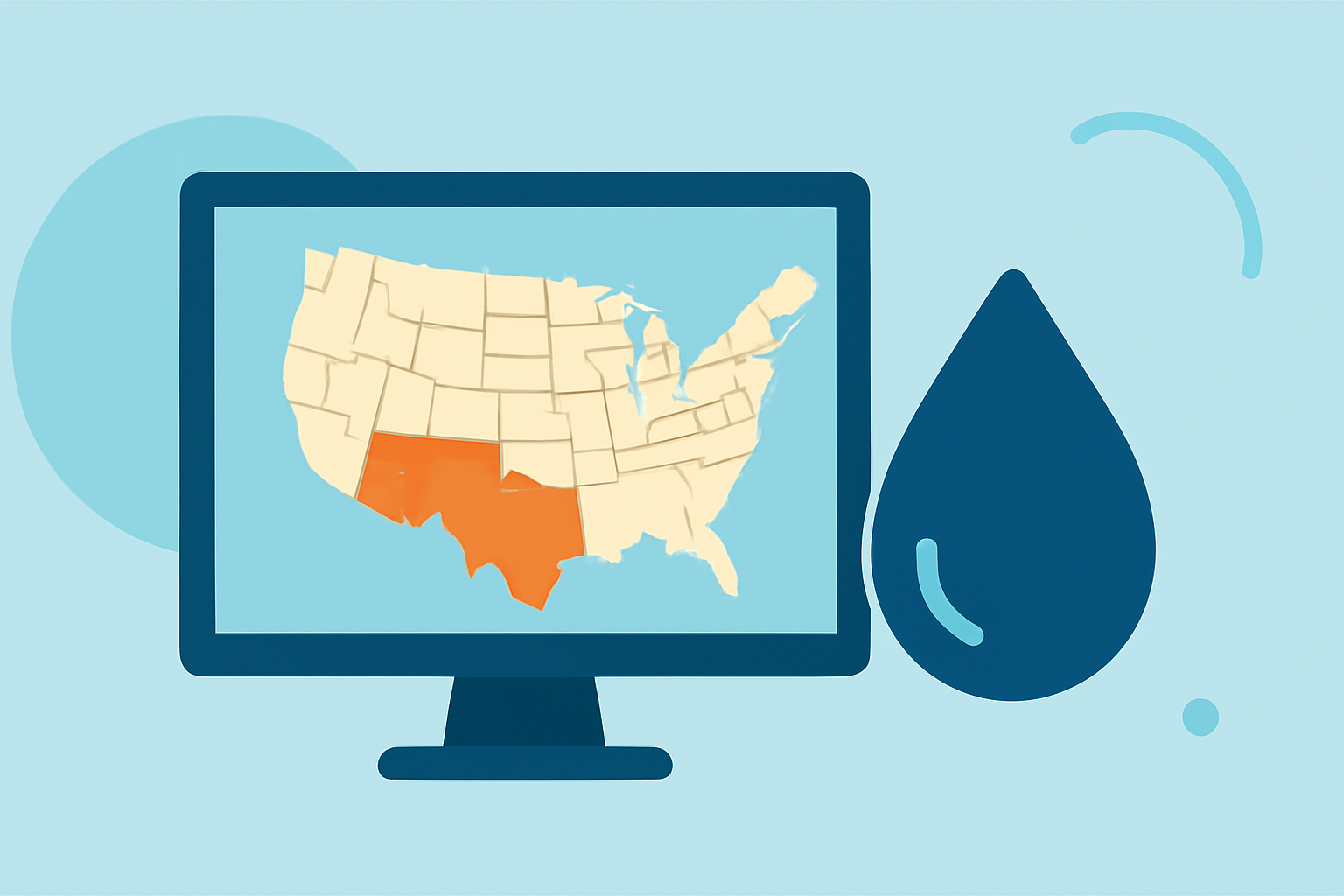
Droughts are prolonged periods of deficient precipitation, leading to water shortages that can have significant environmental, economic, and social consequences. In the United States, drought trends have exhibited notable changes over recent decades, influenced by various climatic and human factors.
What Are the Current Drought Conditions in the U.S.?
As of June 2023, drought conditions have improved across much of the Western United States compared to earlier in the year and the previous two years. According to the U.S. Drought Monitor, on July 11, 2023, only 3% of land in the Western States was classified as experiencing extreme or exceptional drought, with an additional 8% classified as severe. This marks a significant improvement from earlier periods. (ers.usda.gov)
How Have Drought Conditions Evolved Over the Past Decade?
Over the past decade, the U.S. has experienced fluctuations in drought conditions. In 2023, the country faced 23 separate weather and climate-related disasters, each causing over $1 billion in damages, making it the worst year on record for such events. These disasters resulted in at least 253 deaths and an estimated $57.6 billion in damages, adjusted for inflation. (axios.com)
What Are the Primary Causes of Drought in the U.S.?
Droughts in the U.S. result from a combination of natural and human-induced factors:
-
Climate Variability: Natural climate patterns, such as El Niño and La Niña, can influence precipitation levels, leading to periods of drought.
-
Climate Change: Rising global temperatures have increased the frequency and intensity of heatwaves, which can exacerbate drought conditions. A recent study found that heatwaves causing "flash droughts"—sudden, intense droughts triggered by extreme heat—have risen sharply, from affecting 2.5% of Earth's land in the 1980s to 16.7% by 2023. (apnews.com)
-
Water Mismanagement: Over-extraction of water resources for agriculture, industry, and urban use can deplete water supplies, leading to drought conditions.
How Do Droughts Impact the United States?
Droughts have far-reaching effects across various sectors:
-
Agriculture: Reduced water availability can lead to crop failures, livestock losses, and increased food prices.
-
Water Supply: Droughts can deplete reservoirs and groundwater, affecting drinking water availability and hydropower generation.
-
Wildfires: Dry conditions increase the risk of wildfires, which can destroy homes, infrastructure, and natural habitats.
-
Economy: The cumulative effects of drought can lead to significant economic losses, as seen in 2023, when the U.S. experienced 23 weather and climate-related disasters, each causing over $1 billion in damages. (axios.com)
What Strategies Are Effective in Mitigating Drought Effects?
Mitigating the effects of drought requires a multifaceted approach:
-
Water Conservation: Implementing efficient water use practices in agriculture, industry, and daily life can reduce water demand.
-
Sustainable Water Management: Developing and enforcing policies that promote the sustainable use of water resources is crucial.
-
Drought-Resistant Crops: Research and adoption of drought-resistant crop varieties can help maintain agricultural productivity during dry periods.
-
Public Awareness: Educating communities about drought risks and preparedness can enhance resilience.
How Is Clime Addressing Drought Challenges?
Clime is at the forefront of providing innovative solutions to monitor and manage drought conditions. By leveraging advanced data analytics and real-time monitoring systems, Clime offers tools that enable stakeholders to make informed decisions regarding water resource management, agricultural planning, and disaster response. These solutions are designed to enhance resilience against drought impacts and support sustainable practices across various sectors.
What Are the Future Projections for Drought in the U.S.?
Future projections indicate that droughts may become more frequent and severe due to ongoing climate change. Studies suggest that heatwaves leading to "flash droughts" have increased eightfold since 2000, particularly affecting regions like the western U.S. (apnews.com) This underscores the need for proactive measures in water management, agricultural practices, and urban planning to mitigate potential impacts.
How Can Communities Prepare for Future Droughts?
Communities can enhance their preparedness by:
-
Developing Drought Contingency Plans: Establishing clear strategies for water conservation and emergency response.
-
Investing in Water Infrastructure: Upgrading systems to improve water storage, distribution, and efficiency.
-
Engaging in Public Education: Promoting awareness about drought risks and conservation methods.
-
Collaborating Across Sectors: Fostering partnerships between government agencies, businesses, and communities to address drought challenges collectively.
By understanding the evolving nature of drought trends and implementing comprehensive strategies, the United States can better prepare for and mitigate the impacts of future droughts.
Highlights:
- California drought eases, but its water problems remain, Published on Tuesday, November 07
- Heat waves that spark damaging droughts are happening more frequently, study finds, Published on Friday, March 06
- 'Miracle' water year in California: Rain, snow put state's reservoirs at 128% of historical average, Published on Tuesday, October 03