
Understanding El Niño: A Comprehensive Overview
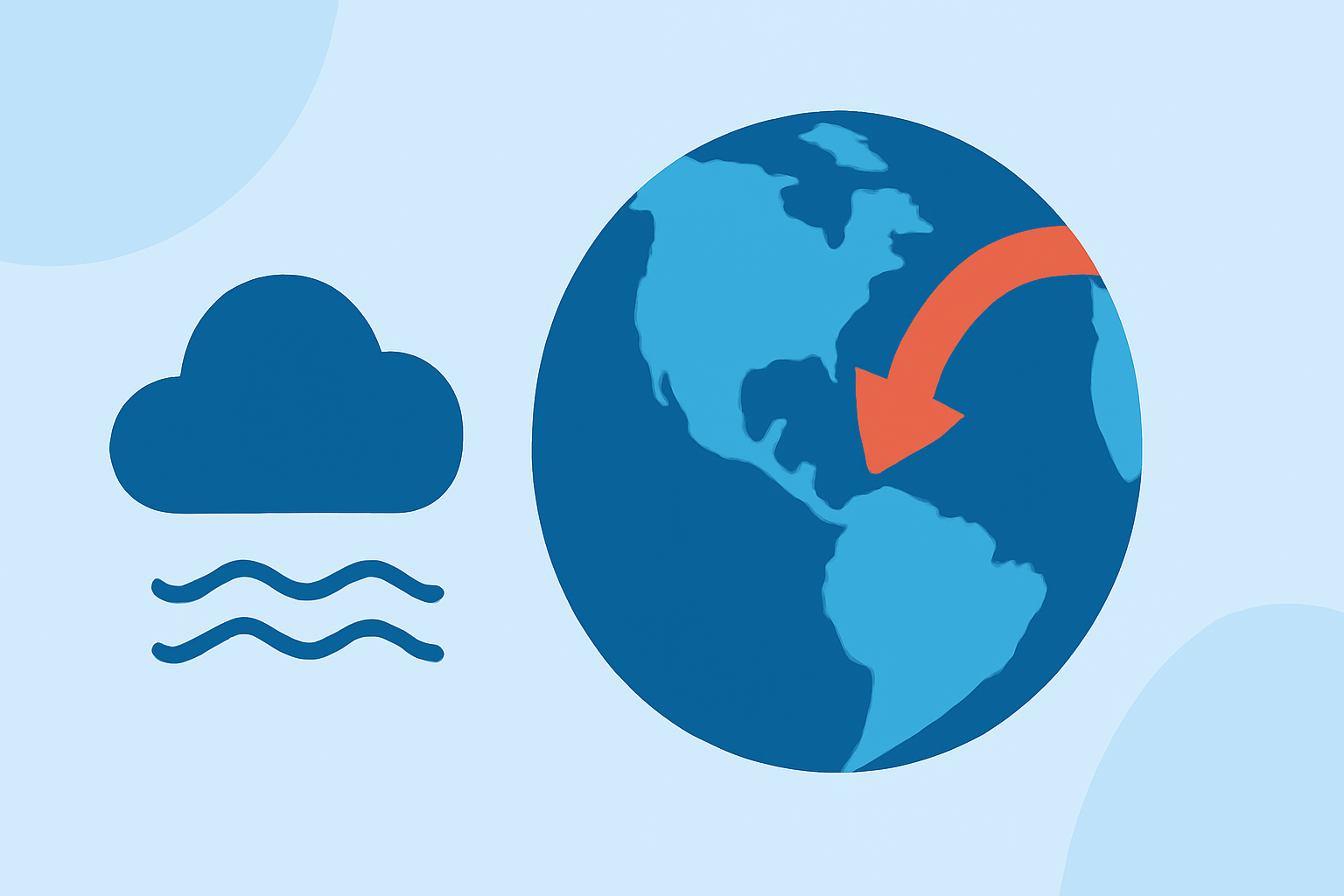
El Niño is a climatic phenomenon characterized by unusually warm ocean temperatures in the equatorial Pacific, leading to significant global weather impacts. It is part of the El Niño-Southern Oscillation (ENSO) cycle, which also includes La Niña, the cool phase. These phases occur irregularly every two to seven years, influencing weather patterns worldwide. (britannica.com)
What Causes El Niño?
Under normal conditions, strong trade winds push warm surface waters westward across the Pacific Ocean, allowing cooler waters to upwell along the coast of South America. During an El Niño event, these trade winds weaken or reverse, causing the warm waters to move eastward toward the Americas. This shift disrupts typical weather patterns, leading to various climatic anomalies. (oceanexplorer.noaa.gov)
Global Impacts of El Niño
-
North America: El Niño often brings wetter conditions to the southern United States, increasing the risk of flooding. Conversely, the northern regions may experience drier and warmer conditions. (science.nasa.gov)
-
South America: Countries like Peru and Ecuador can face heavy rainfall, leading to coastal flooding and erosion. The warm waters also disrupt marine ecosystems, affecting fisheries. (britannica.com)
-
Australia and Southeast Asia: These regions may experience droughts and increased risk of wildfires due to reduced rainfall. (science.nasa.gov)
Recent Developments
As of June 2026, the National Oceanic and Atmospheric Administration (NOAA) has confirmed the onset of an El Niño event, expected to be among the strongest ever recorded. Forecast models suggest a 63% chance that the event will reach very strong levels between November and January, potentially surpassing the historic 2015–2016 and 1997–1998 events. Sea surface temperatures are projected to rise as much as 7.2°F (4°C) above average in critical Pacific regions. (livescience.com)
Monitoring and Preparedness
Understanding and monitoring El Niño is crucial for mitigating its impacts. Agencies like NOAA provide regular updates and forecasts to help communities prepare for potential disruptions. Staying informed through reliable sources is essential for effective response strategies.
For a visual explanation of El Niño, you might find the following video helpful: