
Understanding El Niño: A Non-Technical Guide
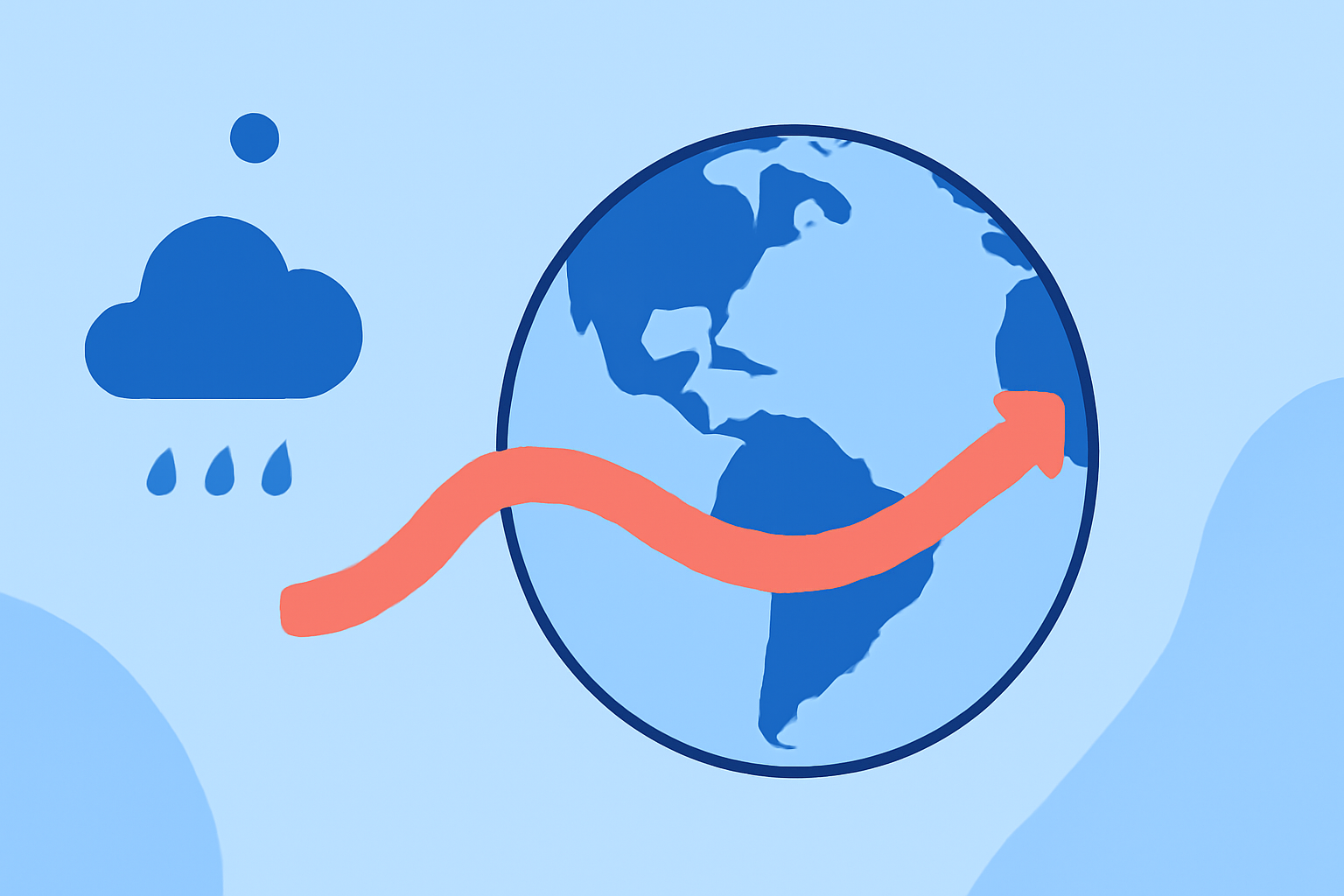
El Niño is a climate phenomenon characterized by unusually warm ocean temperatures in the central and eastern Pacific near the equator. This warming disrupts normal weather patterns, leading to significant global effects.
What Causes El Niño?
Under typical conditions, strong trade winds push warm surface waters from the Pacific Ocean's eastern regions toward the western Pacific. This movement allows cooler waters to rise near the coast of South America, a process known as upwelling. During El Niño, these trade winds weaken or even reverse, causing the warm waters to flow back eastward, leading to the warming of the central and eastern Pacific. (nesdis.noaa.gov)
Global Impacts of El Niño
The warming of the Pacific Ocean during El Niño has widespread effects on global weather patterns:
-
North America: El Niño often brings wetter conditions to the southern United States, increasing the risk of flooding. Conversely, the northern regions may experience drier and warmer conditions. (weather.com)
-
South America: Countries along the Pacific coast, such as Peru and Ecuador, can face heavy rainfall, leading to potential flooding and landslides. (pmel.noaa.gov)
-
Australia and Southeast Asia: These regions may experience drier conditions, heightening the risk of droughts and wildfires. (pmel.noaa.gov)
El Niño's Occurrence and Duration
El Niño events typically occur every 3 to 5 years, though their frequency and intensity can vary. Each event usually lasts between 9 to 12 months, with the most significant impacts often felt during the winter months in the Northern Hemisphere. (weather.com)
Monitoring and Predicting El Niño
Scientists monitor El Niño by observing sea surface temperatures, wind patterns, and atmospheric pressures in the Pacific Ocean. Advanced satellite technology and ocean buoys provide real-time data, enhancing the accuracy of predictions and helping communities prepare for potential impacts. (nesdis.noaa.gov)
Conclusion
El Niño is a significant climatic event with the power to alter weather patterns across the globe. Understanding its causes and effects is crucial for preparedness and mitigation strategies, especially in regions prone to its impacts.
Highlights:
- Your Complete Guide To Everything El Niño | Weather.com, Published on Wednesday, March 04