
Understanding El Niño: A Beginner's Guide
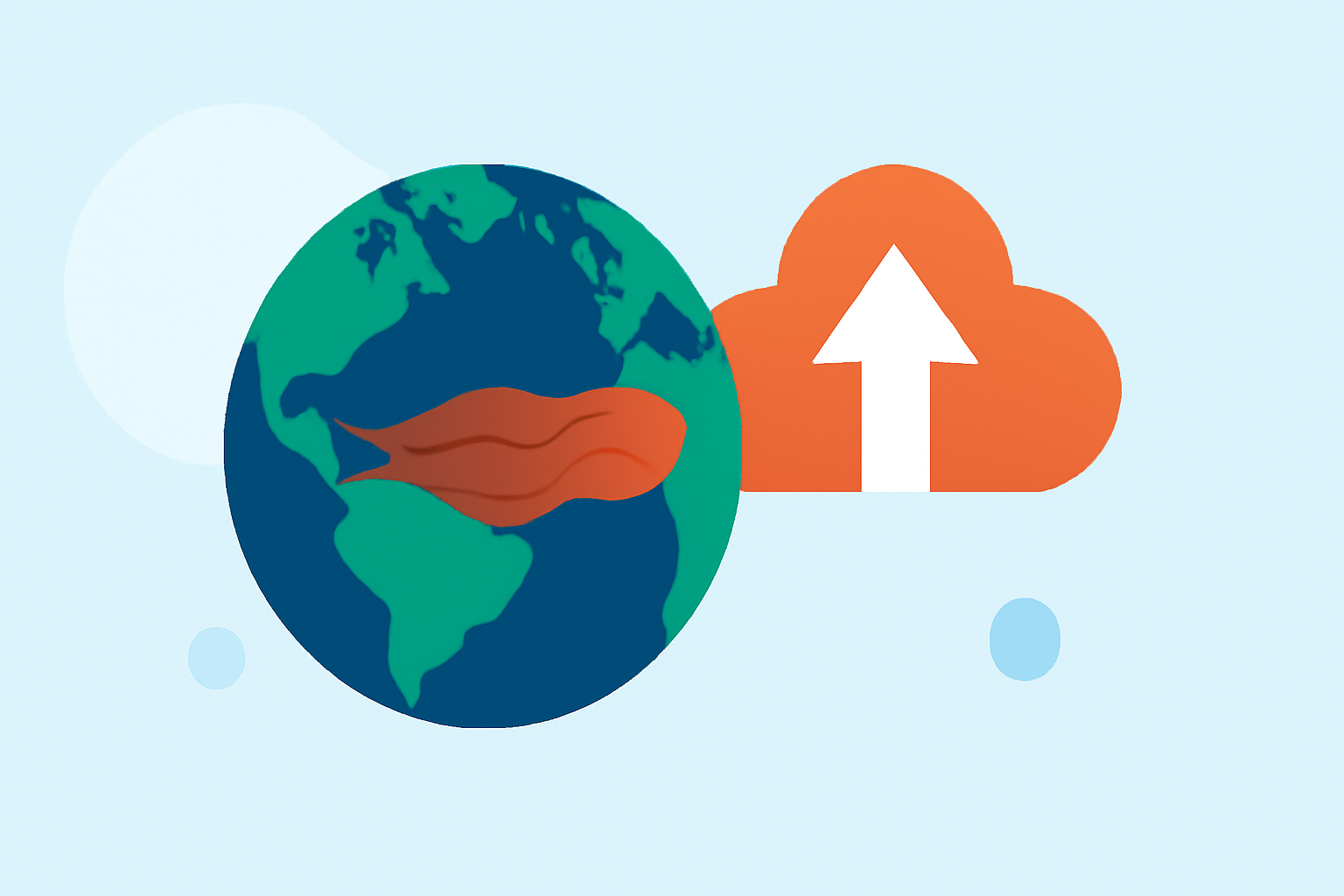
El Niño is a climatic phenomenon characterized by the periodic warming of sea surface temperatures in the central and eastern equatorial Pacific Ocean. This warming disrupts normal atmospheric patterns, leading to significant weather changes worldwide.
What Causes El Niño?
Under typical conditions, trade winds push warm surface waters westward across the Pacific Ocean, allowing cooler waters to rise near the coast of South America. During an El Niño event, these trade winds weaken or reverse, causing the warm waters to move eastward toward the Americas. This shift leads to a rise in sea surface temperatures in the central and eastern Pacific. (britannica.com)
How Does El Niño Affect Weather?
The warming of Pacific waters during El Niño events influences global weather patterns. In the United States, it often results in wetter conditions in the southern regions and drier conditions in the northern regions. For instance, California may experience increased rainfall, leading to a higher risk of flooding, while the Pacific Northwest might face drier conditions, increasing the likelihood of droughts. (pmel.noaa.gov)
Global Impacts of El Niño
Beyond the United States, El Niño has far-reaching effects:
-
South America: Countries like Peru and Ecuador may face heavy rainfall, leading to flooding and landslides.
-
Australia and Southeast Asia: These regions often experience droughts and an increased risk of wildfires.
-
Global Climate: El Niño can influence the frequency and intensity of tropical cyclones, affecting regions like the Caribbean and the Pacific Islands. (pmel.noaa.gov)
How Is El Niño Monitored?
Scientists monitor El Niño using a combination of satellite data, ocean buoys, and atmospheric measurements. The Oceanic Niño Index (ONI) is a key metric, measuring the departure from normal sea surface temperatures in the central Pacific. An ONI value of 0.5°C or higher for several consecutive months typically indicates an El Niño event. (britannica.com)
Preparing for El Niño
Given the potential impacts of El Niño, it's essential to stay informed and prepared:
-
Stay Updated: Regularly check weather forecasts and updates from reliable sources.
-
Emergency Plans: Develop and review emergency plans, especially if you live in areas prone to flooding or drought.
-
Community Resources: Engage with local community resources and preparedness programs.
Understanding El Niño is crucial for anticipating and mitigating its effects on communities and ecosystems worldwide.
Highlights:
- El Niño | Causes, Effects, Weather, Meaning, & Years | Britannica, Published on Thursday, February 19
- What is El Niño? | El Nino Theme Page - A comprehensive Resource